

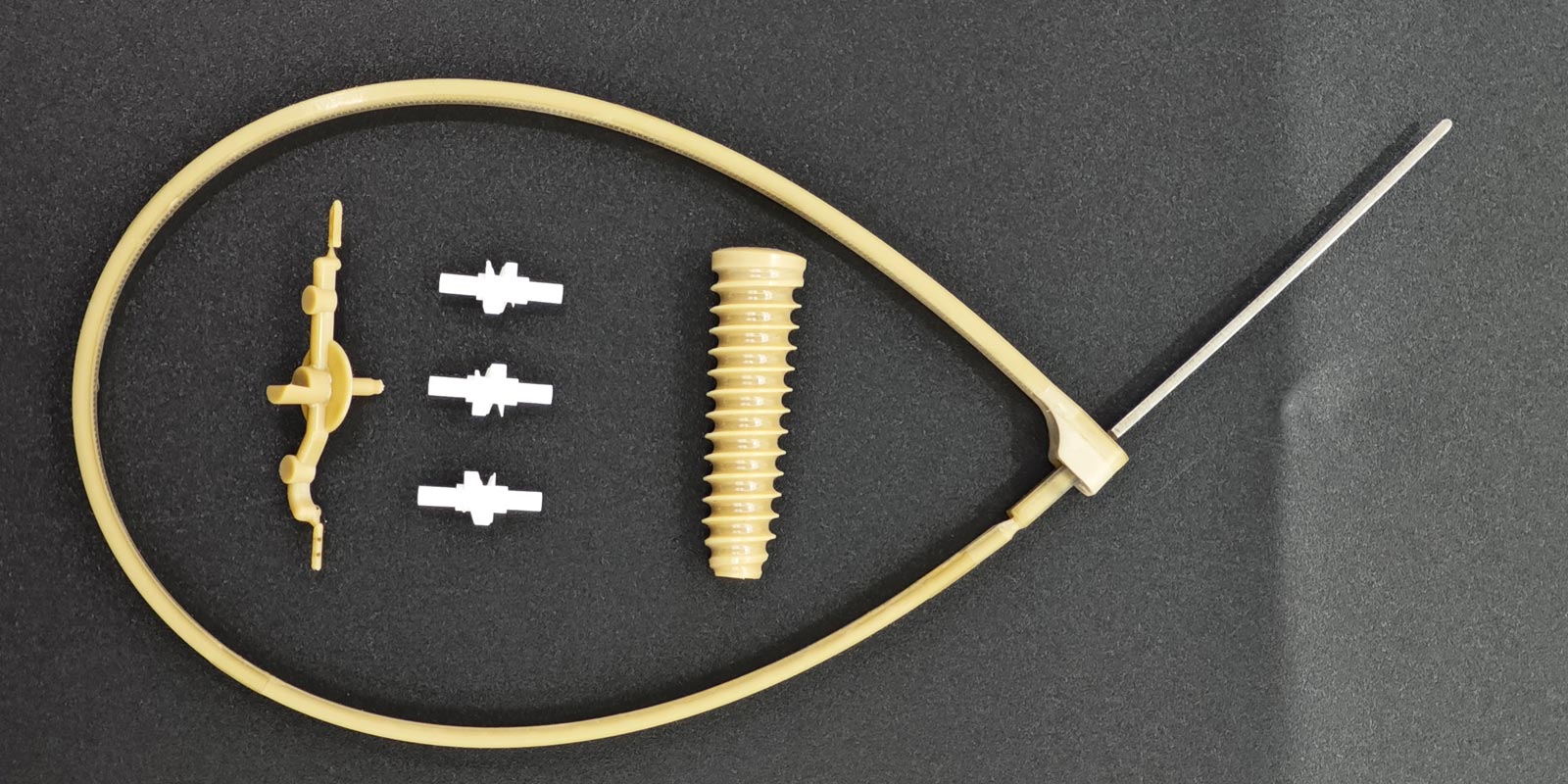
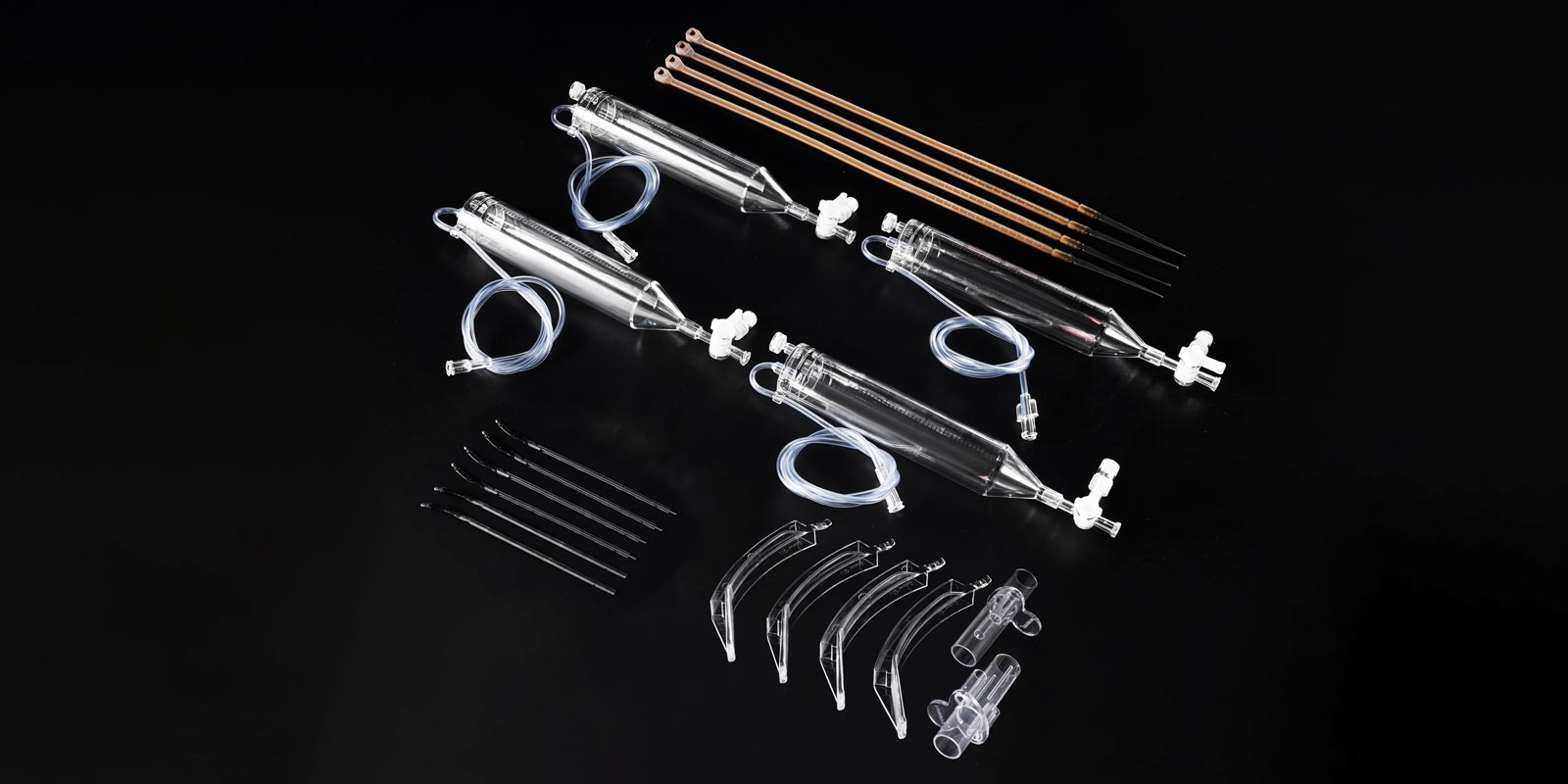
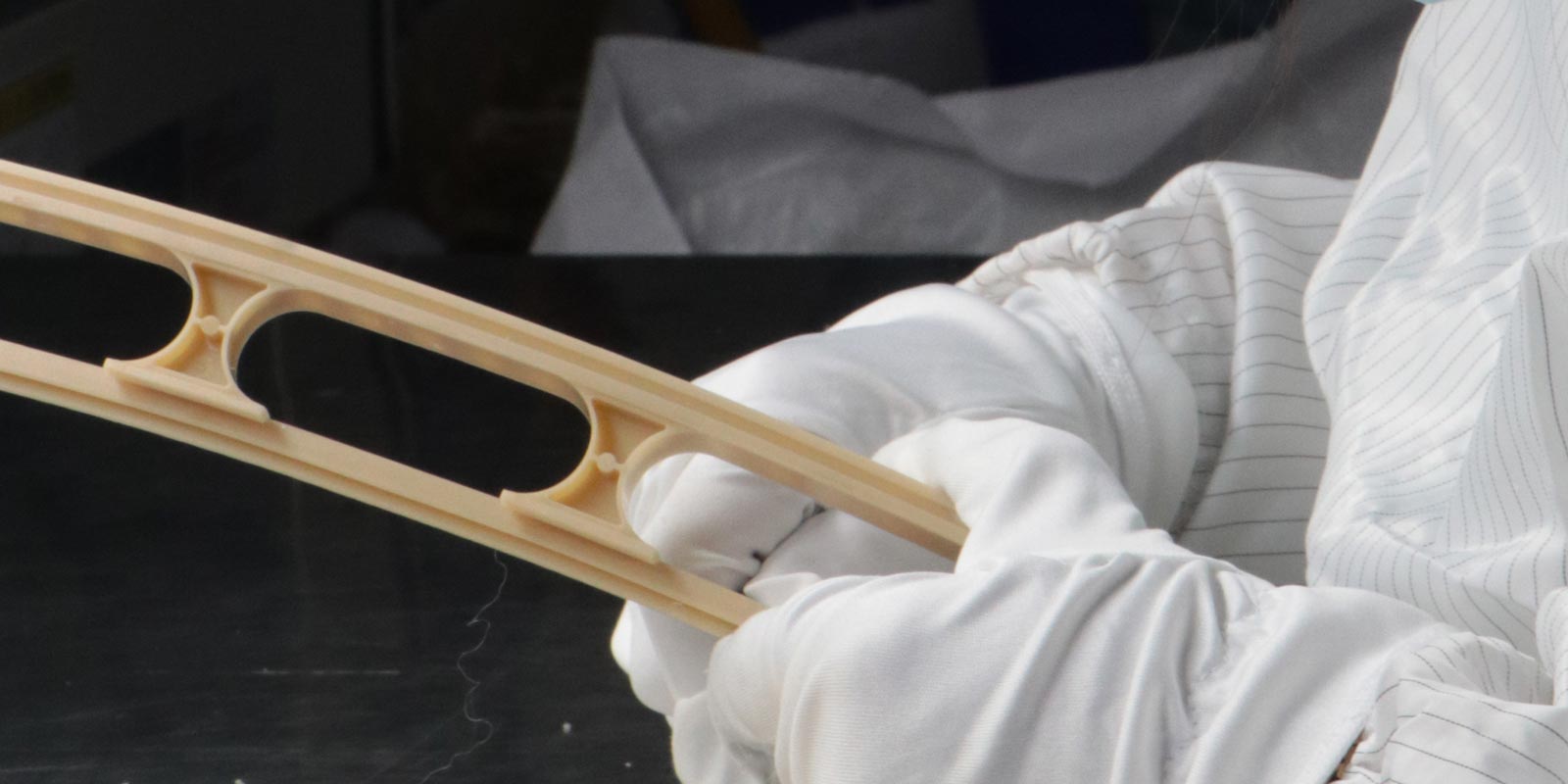
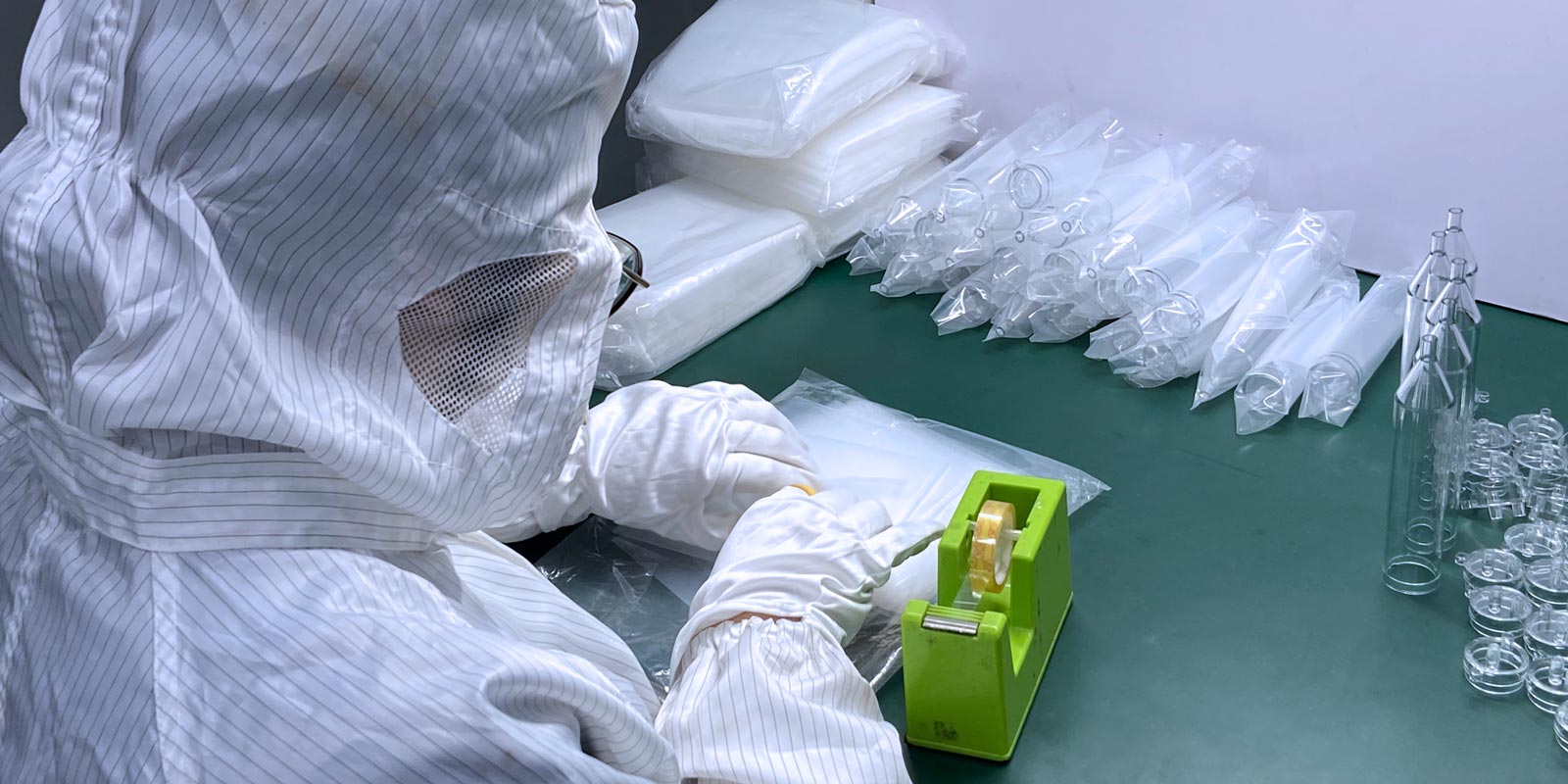
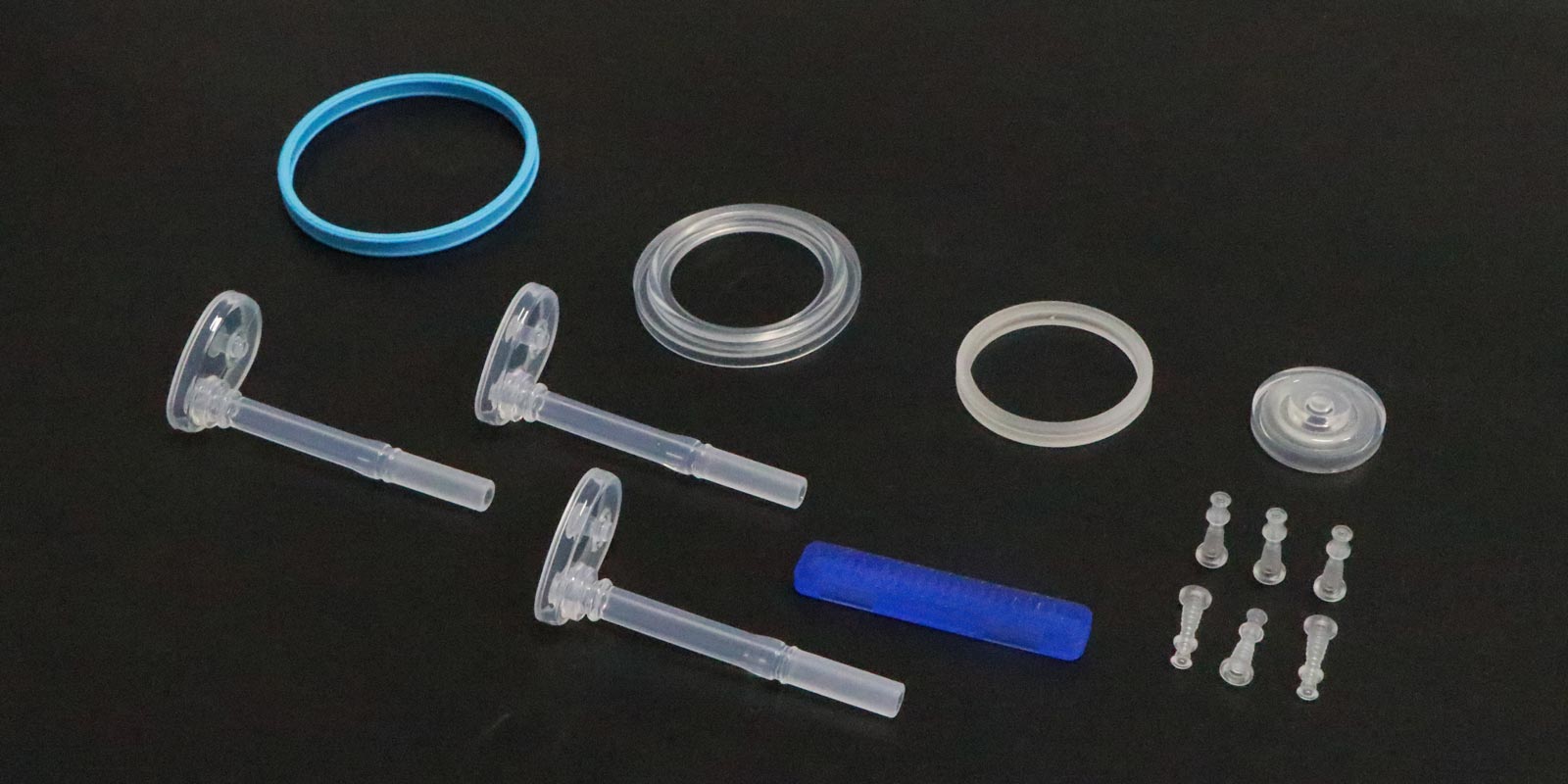



Medical injection-molded parts are widely used in various medical devices and instruments, such as syringes, infusion sets, and surgical instrument handles. These injection-molded parts not only need to meet strict initial performance requirements but also must maintain stable performance throughout their entire service life to ensure the safety and effectiveness of medical operations. However, due to the influence of multiple factors, medical injection-molded parts may experience performance degradation during long-term use, such as aging, deformation, and strength reduction. Therefore, formulating effective strategies for maintaining long-term performance is of utmost importance in the medical industry.
The material is the foundation for determining the performance of medical injection-molded parts. Different plastic materials have distinct chemical structures, physical properties, and aging characteristics. For example, polypropylene (PP) has good chemical stability and heat resistance but is prone to aging and degradation under long-term ultraviolet exposure. Polycarbonate (PC) has high strength and transparency but is sensitive to certain chemicals and may experience stress cracking. Additionally, the additives in the material, such as plasticizers, stabilizers, and antioxidants, also affect the long-term performance of injection-molded parts. Improper selection or unreasonable addition amounts of additives can lead to additive migration and failure, thereby impacting the performance of the injection-molded parts.
Injection molding process parameters, such as injection temperature, injection pressure, holding pressure time, and cooling time, have a significant impact on the internal structure and performance of medical injection-molded parts. Unreasonable injection molding processes can result in defects within the injection-molded parts, such as residual stress, pores, and cracks, which can serve as starting points for performance degradation during long-term use. For example, excessively high injection temperatures can cause material degradation, reducing the strength and heat resistance of the injection-molded parts. Insufficient injection pressure can lead to incomplete melt filling, resulting in shrinkage cavities and non-uniform density, affecting the dimensional stability and mechanical properties of the injection-molded parts.
Medical injection-molded parts are exposed to various environmental factors during use, such as temperature, humidity, light, and chemicals. High-temperature environments can accelerate the aging and degradation of materials, reducing the strength and toughness of injection-molded parts. High-humidity environments can cause material moisture absorption, leading to dimensional changes and performance degradation. Ultraviolet exposure can trigger photochemical oxidation reactions in certain plastic materials, causing color changes, surface crazing, and performance deterioration. Contact with chemicals, such as disinfectants and drugs, can cause material swelling, corrosion, or stress cracking.
Medical injection-molded parts are subjected to various mechanical stresses during use, such as tension, compression, bending, and torsion. Long-term mechanical stress can cause fatigue damage to the injection-molded parts, gradually accumulating into cracks and ultimately leading to part failure. For example, surgical instrument handles are frequently subjected to repeated bending stresses during use. If the handle lacks sufficient strength and toughness, it is prone to fracture.
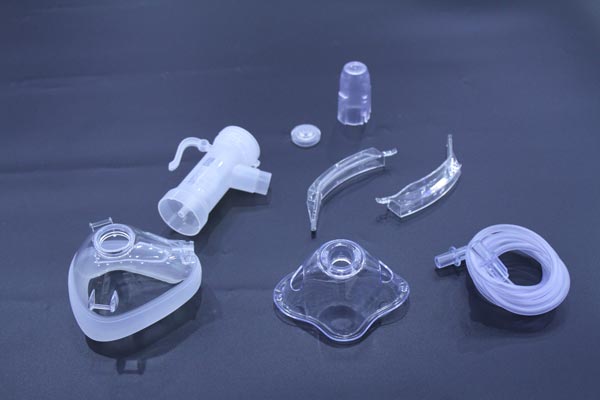
Maintaining the long-term performance of medical injection-molded parts is an important issue in the medical industry. By comprehensively applying strategies such as material optimization, process control, environmental management, and regular inspection and maintenance, the long-term performance stability of medical injection-molded parts can be effectively improved, and their service life can be extended, ensuring the safety and effectiveness of medical equipment. In practical applications, personalized long-term performance maintenance plans should be formulated according to the specific conditions and usage requirements of medical injection-molded parts, and continuously optimized and improved to adapt to the constantly developing needs of the medical industry. At the same time, strengthening cooperation and communication with material suppliers and research institutions and jointly conducting research on the performance of medical injection-molded parts and technological innovation will provide stronger support for the development of the medical industry.
PREV:A Brief Exploration of Laryngoscope Injection Molding Process
NEXT:Why Is Biocompatibility Crucial for Medical Injection-Molded Parts?
Add: 62 Jinghai East Road, Chang'an Town, Dongguan City, Guangdong Province
Whatsapp: 13302615729
Tel: 86-133-0261-5729
Email: info@yizemould.com

Add: 62 Jinghai East Road, Chang'an Town, Dongguan City, Guangdong Province
Whatsapp: 13302615729
Tel: 86-133-0261-5729
Email: info@yizemould.com
 Home
Home