

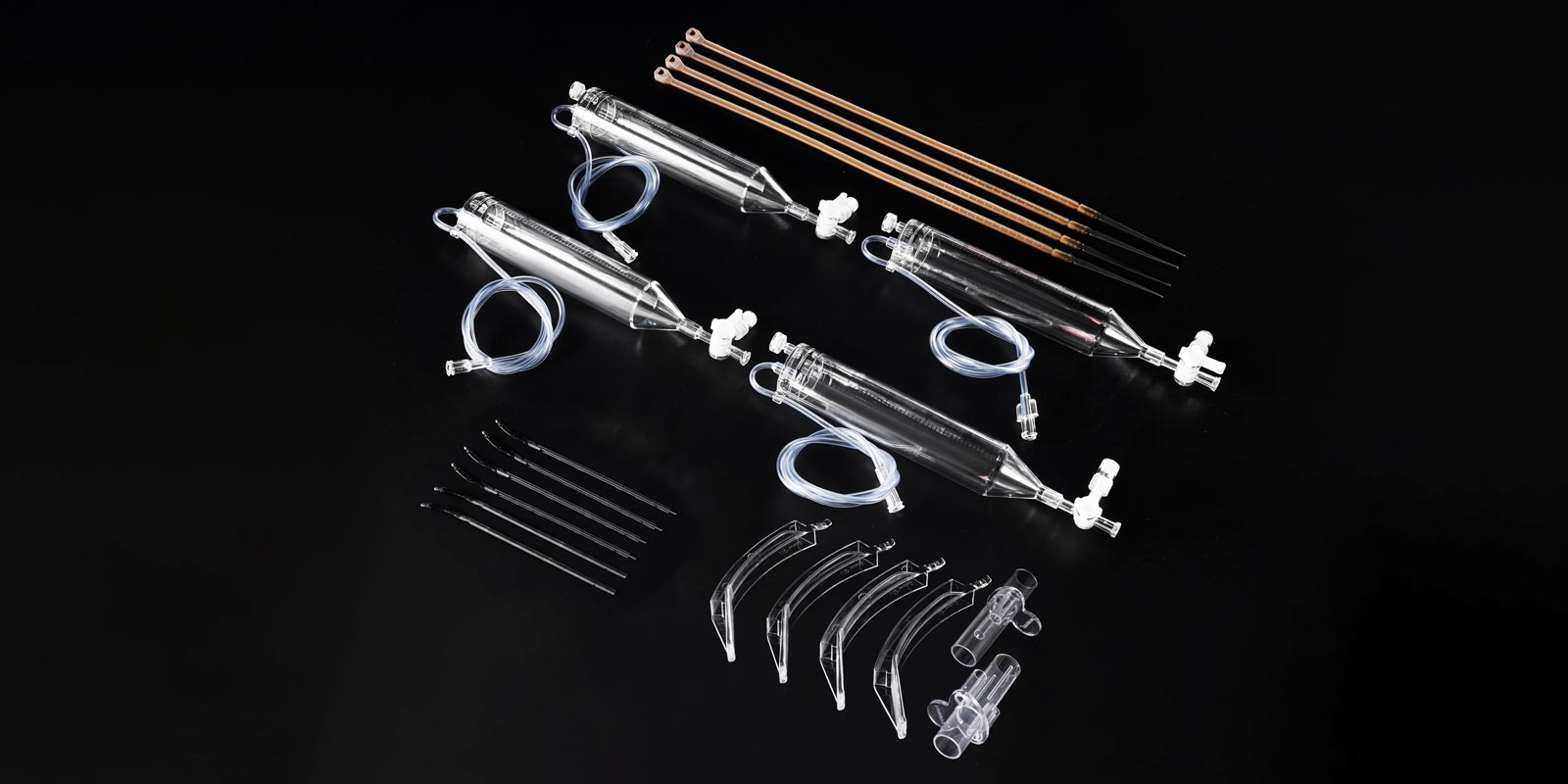
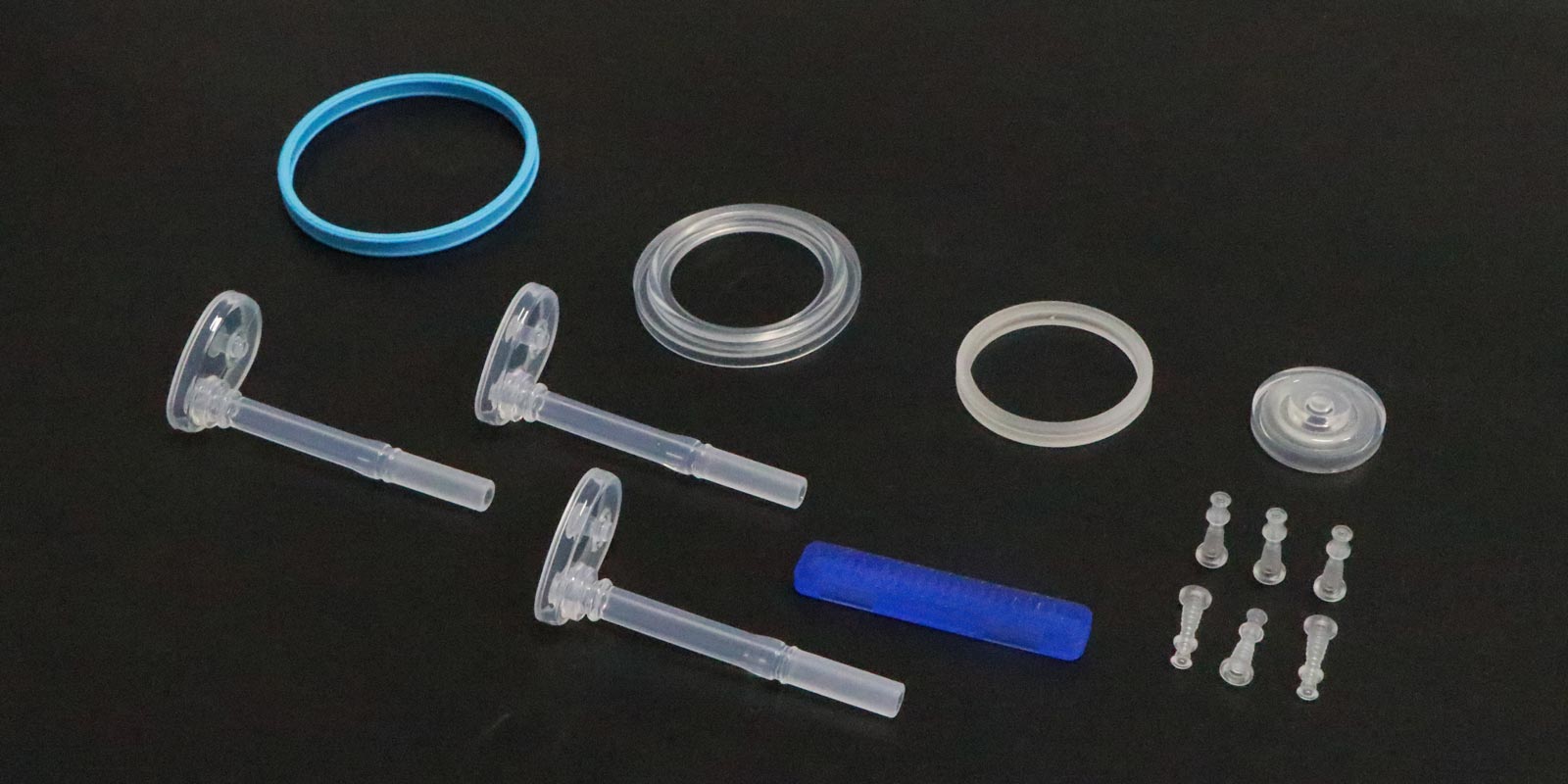



Luer connectors, as key connecting components in the medical and industrial fields, have their injection molding processes directly impacting the precision, sealing performance, and reliability of products. With the upgrading of global medical technologies, the acceleration of industrial automation, and stricter environmental protection policies, the Luer connector injection molding industry is undergoing multiple transformations, including technological iteration, demand differentiation, and industrial upgrading. This article analyzes the industry from three dimensions: technological trends, market demand, and competitive landscape, combining industry data with typical cases.
Intelligent Production Becomes the Core Driving Force
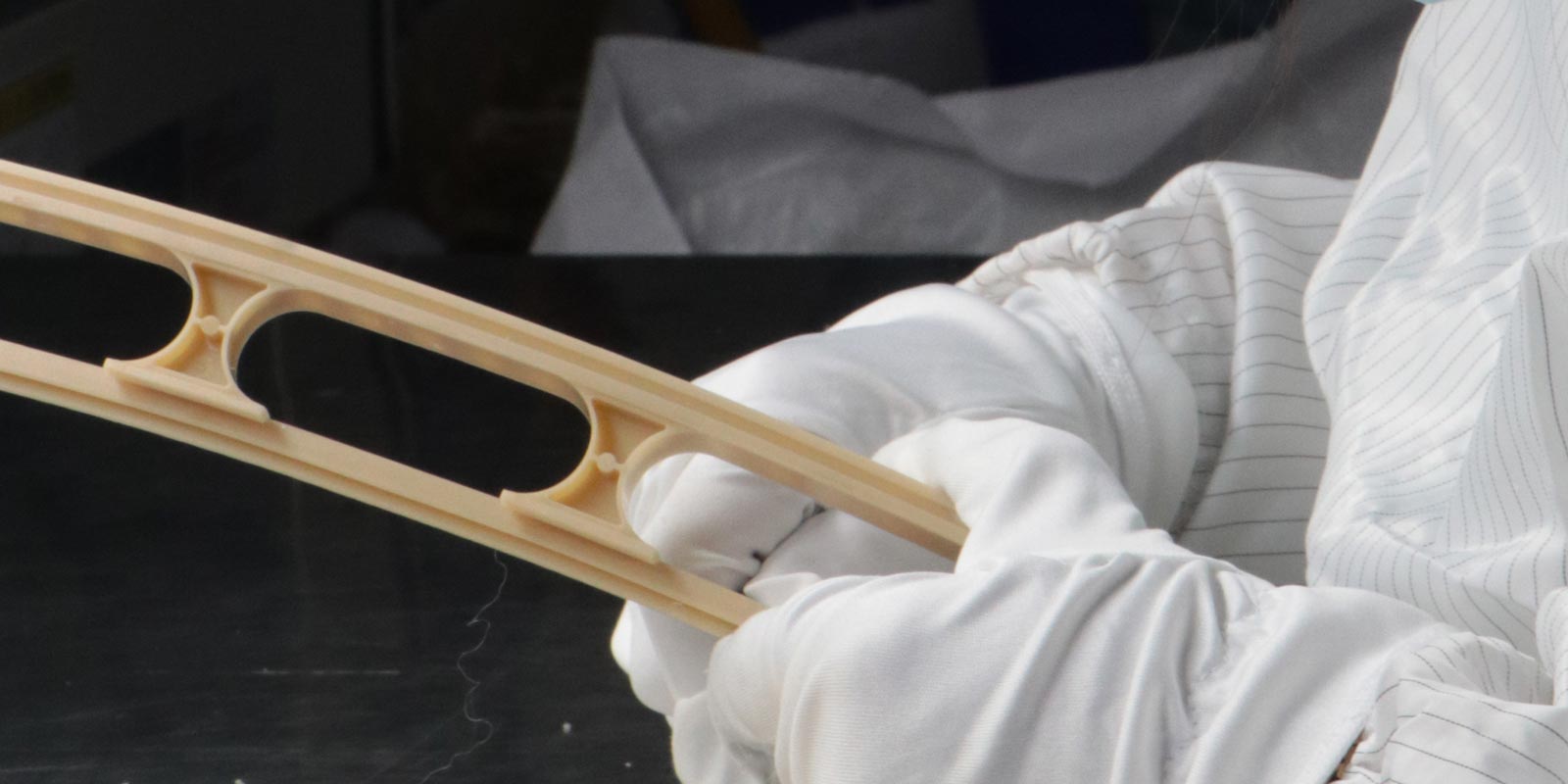
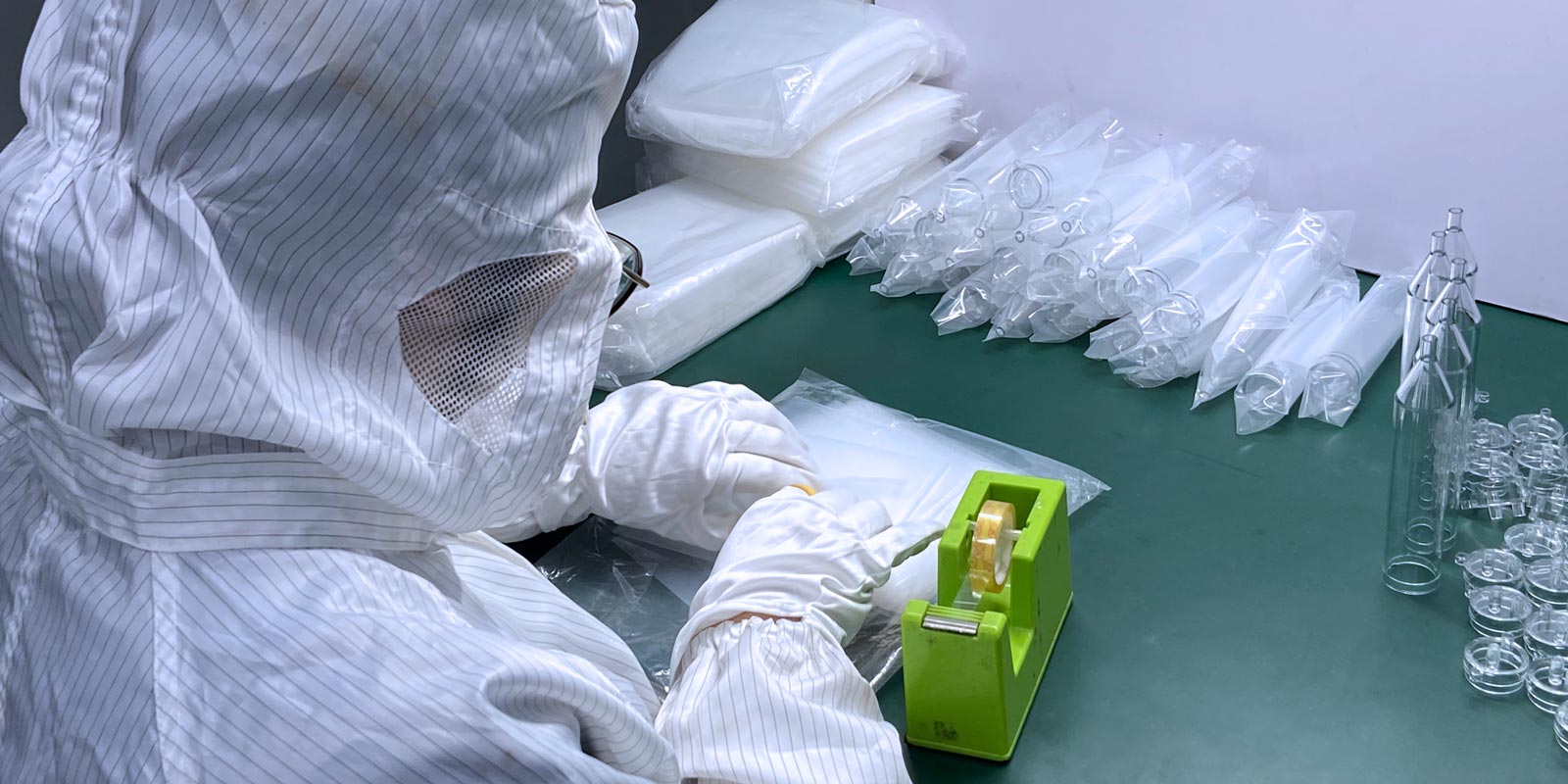
By 2026, the intelligent penetration rate in the plastic injection molding mold industry has exceeded 70%, and the Luer connector injection molding field is also accelerating its layout. Taking Shanghai RunTong Plastic Mould Co., Ltd. as an example, it has achieved fully unmanned operation throughout the entire process from raw material feeding to finished product inspection by introducing industrial robots and automated production lines. This has improved production efficiency by 40% and reduced labor costs by 35%. Additionally, the application of data-driven decision-making systems (such as MES systems) enables precise control over aspects like mold life prediction and process parameter optimization, reducing the product defect rate from the industry average of 2% to below 0.3%.
Precision Injection Molding Technology Breaks Through Material Limits
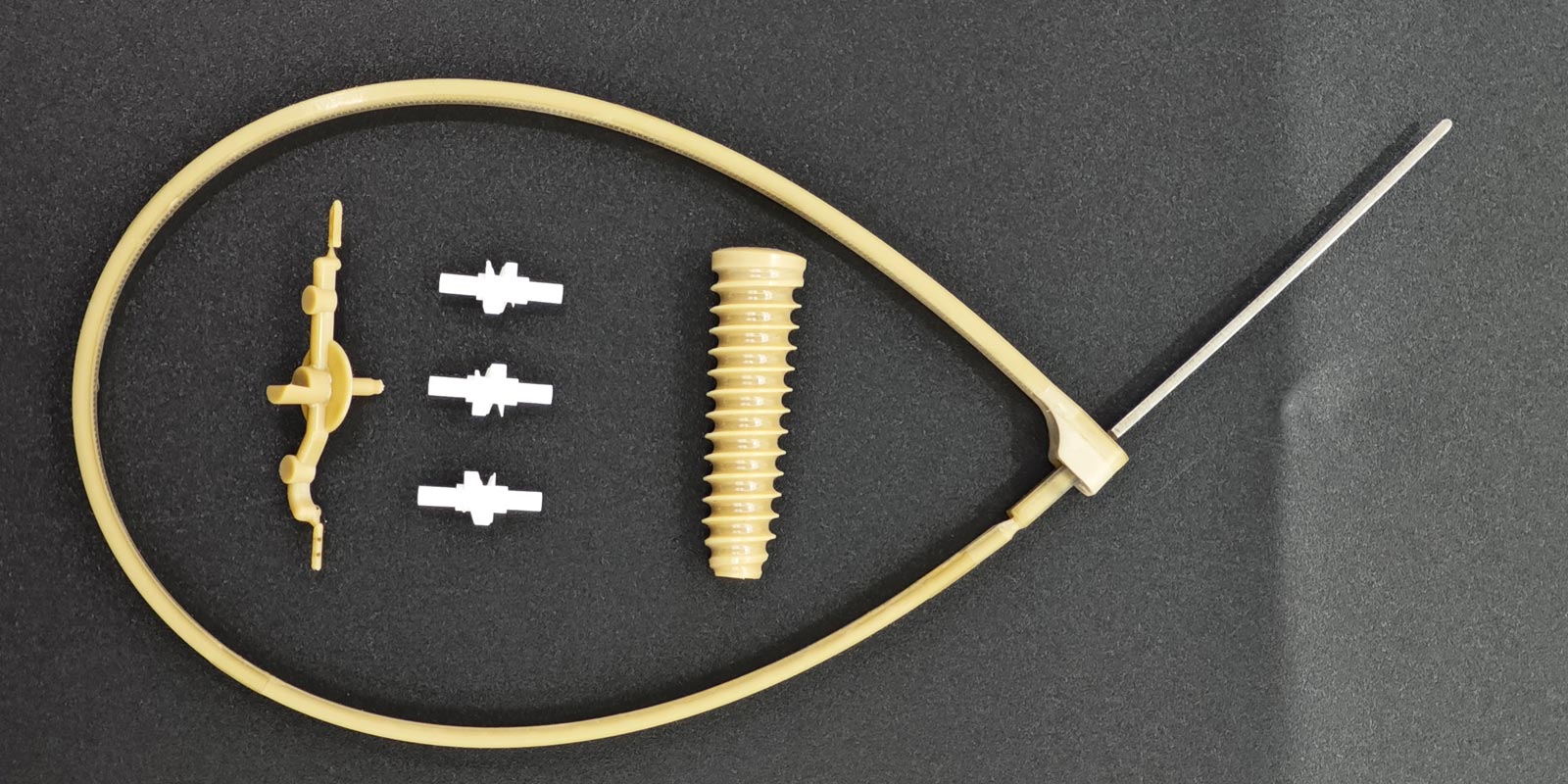
Medical-grade Luer connectors have extremely strict tolerance requirements (within ±0.01mm), which are difficult to meet with traditional injection molding processes. Shanghai RunTong has successfully achieved mass production of medical-grade plastic parts through its self-developed "precision mold multi-cavity synchronous molding technology," combined with high-performance plastics (such as high-temperature-resistant PC/ABS alloys and bio-based PLA/PHB composites). Among them, the bio-based materials have a degradation rate of 98% and can withstand temperatures above 100°C, filling the application gap of biodegradable plastics in high-temperature environments.
Green Manufacturing Drives Industrial Transformation
Under the "dual carbon" strategy, the Luer connector injection molding industry is accelerating its transition to a low-carbon model. The new "Energy Efficiency Limit Values and Energy Efficiency Grades for Injection Molding Machines" standard implemented in 2025 has raised the energy efficiency grade to five levels and incorporated full life-cycle carbon emission assessments. Companies are reducing carbon emissions by adopting energy-saving injection molding machines (such as electric injection molding machines), optimizing mold cooling systems, and recycling edge scrap materials for reuse. A single machine can reduce annual carbon emissions by up to 15 tons of CO2 equivalent.
Global Market: European and American Companies Dominate the High-end Field, while Chinese Companies Accelerate Their Pursuit
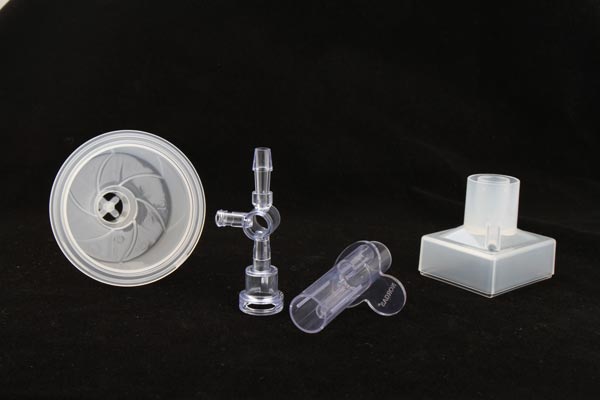
The global Luer connector market presents a "dual oligopoly" pattern: B. Braun, Baxter, and other European and American companies dominate the high-end medical market, accounting for more than 40% of the share; while Chinese companies hold a dominant position in the mid-to-low-end market, with domestic companies' production volume accounting for 65% in 2025. In recent years, domestic companies have gradually penetrated the high-end market through technology introduction and independent research and development. For example, Shanghai RunTong has customized radiation-resistant connectors for Siemens Healthcare, which have passed gamma-ray sterilization tests, breaking the foreign monopoly.
Domestic Market: The Yangtze River Delta Cluster Effect is Significant, and Differentiated Competition is the Key
Chinese Luer connector injection molding companies are mainly concentrated in the Yangtze River Delta region (accounting for more than 60%), forming an industrial cluster represented by Shanghai RunTong and Husky Injection Molding Systems. Leading companies build competitive advantages through the following strategies:
Technology Integration: The Combination of 3D Printing and Injection Molding Processes
The integration of 3D printing technology (such as metal powder laser sintering) and injection molding processes will drive Luer connectors towards more complex structures and higher performance. For example, GE Healthcare has piloted the use of 3D-printed molds to produce customized connectors, reducing the development cycle from 6 months to 2 weeks.
Market Segmentation: Emerging Fields Continue to Generate New Demand
The Luer connector injection molding industry is at a critical juncture of technological transformation and demand upgrading. Companies need to take technological innovation as the engine and market demand as the guide, building core competitiveness through intelligent production, green manufacturing, and differentiated services to occupy a place in global competition. In the future, with the continuous development of fields such as medicine, industry, and new energy, the Luer connector injection molding industry will usher in broader growth opportunities.
Add: 62 Jinghai East Road, Chang'an Town, Dongguan City, Guangdong Province
Whatsapp: 13302615729
Tel: 86-133-0261-5729
Email: info@yizemould.com

Add: 62 Jinghai East Road, Chang'an Town, Dongguan City, Guangdong Province
Whatsapp: 13302615729
Tel: 86-133-0261-5729
Email: info@yizemould.com
 Home
Home