

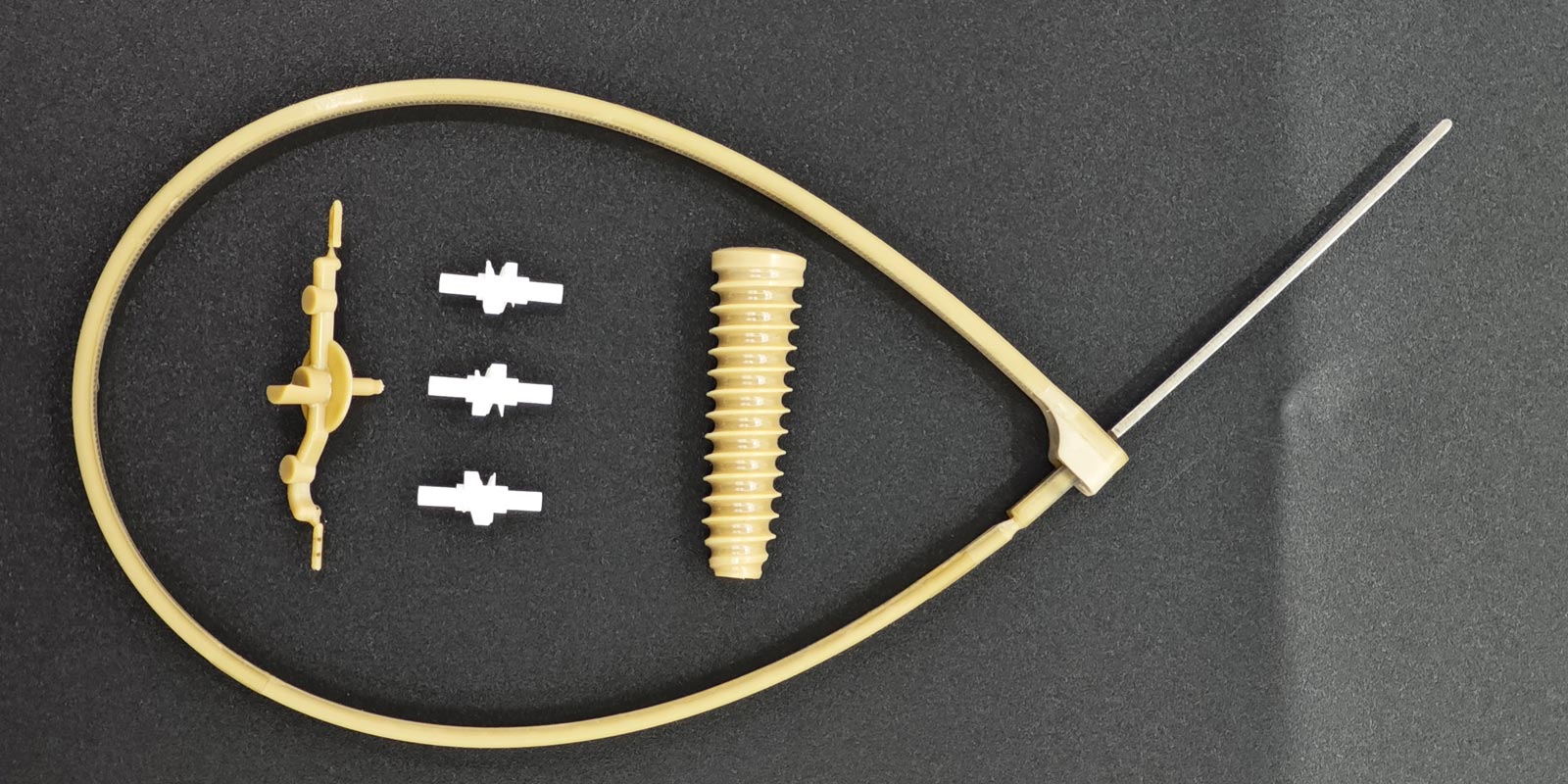
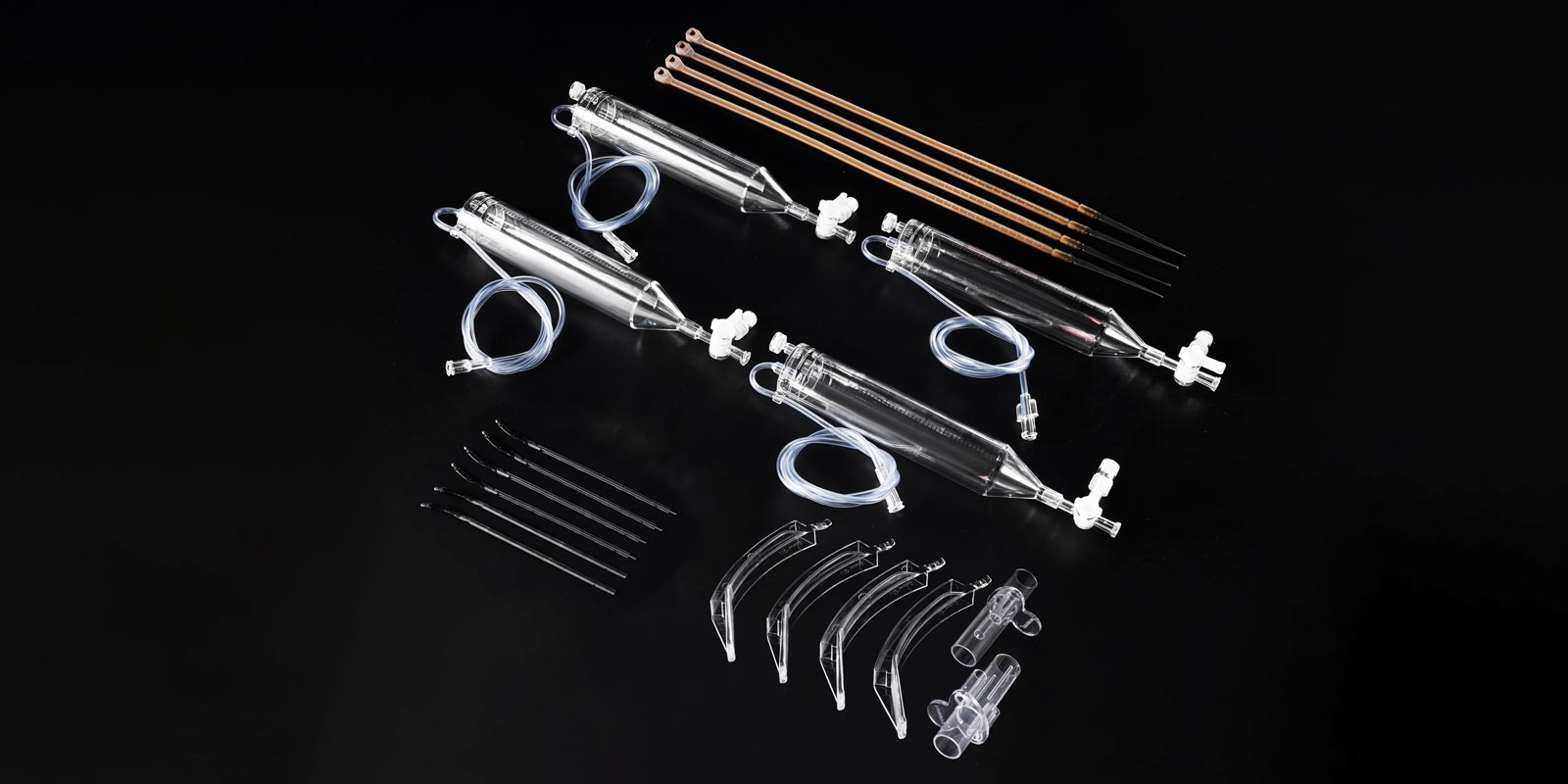
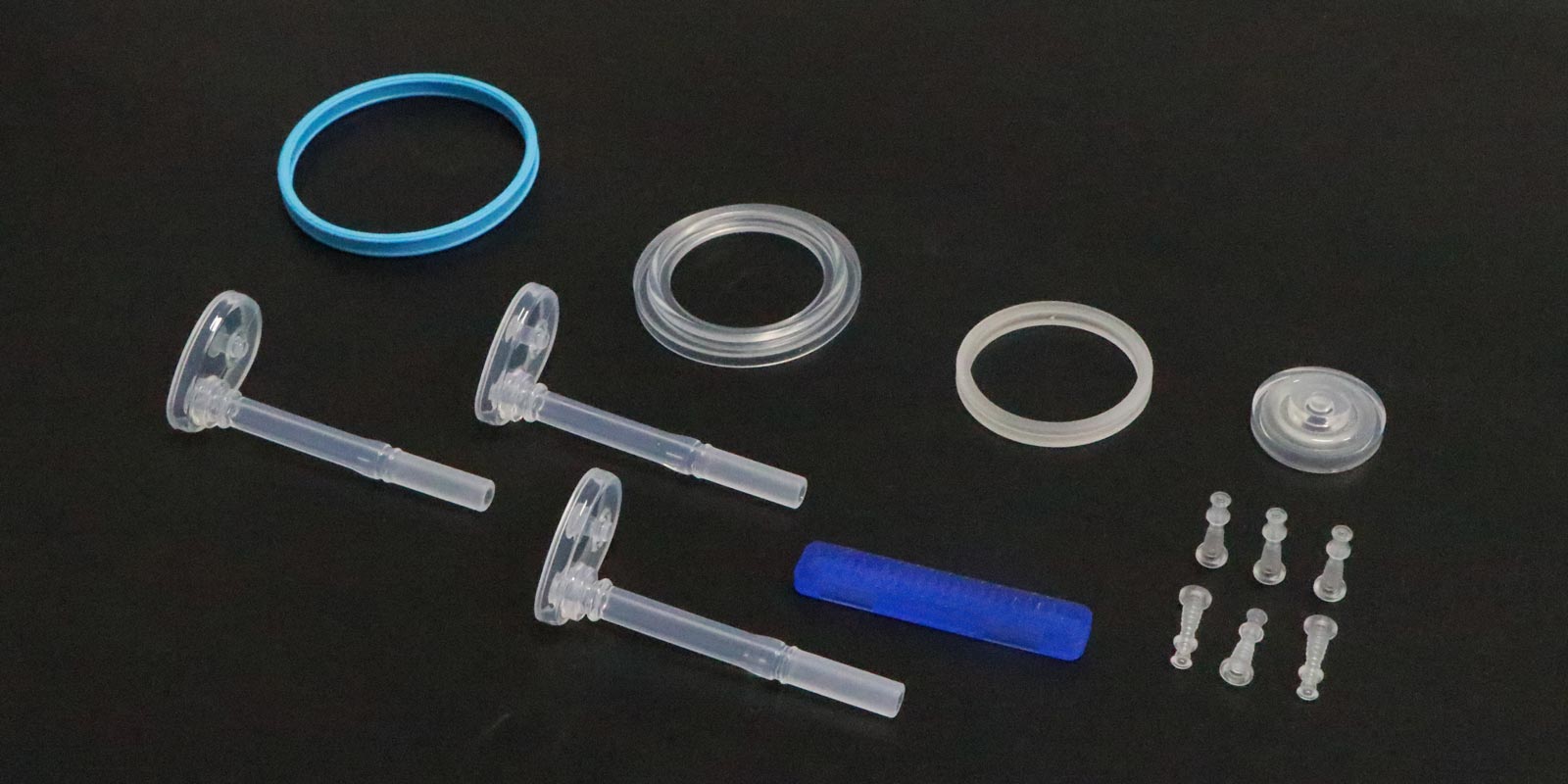



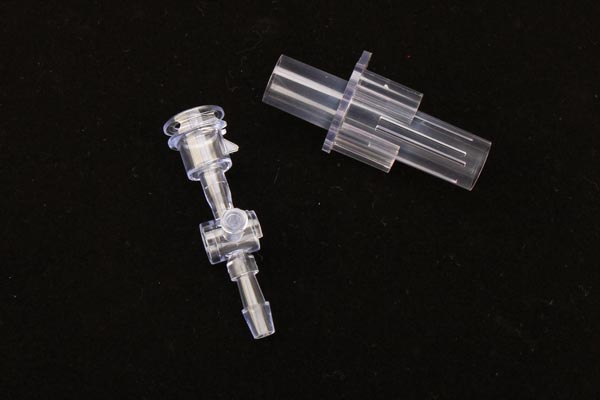
Medical Luer connectors, as standardized micro-leak-free connectors widely used in the medical field, have their quality directly related to the safety and reliability of medical operations. In the injection molding production process, achieving high efficiency and energy conservation is not only the key to reducing production costs but also an important way to enhance product competitiveness and meet the stringent standards of the medical industry. This article will systematically elaborate on the strategies for achieving high efficiency and energy conservation in the injection molding production of medical Luer connectors from aspects such as mold design, injection molding machine selection, production process optimization, and energy management.
Medical Luer connectors need to be made of biocompatible plastics, such as polypropylene (PP), polycarbonate (PC), and polyamide (nylon). These materials are chemically stable, have high mechanical strength, and can withstand sterilization treatments. The mold steel should have high hardness, wear resistance, and corrosion resistance, such as P20 and H13 mold steels, to ensure that the mold maintains precision during long-term use.
The dimensional tolerance requirements for Luer connectors are extremely high, usually needing to be controlled within 0.02mm. During mold design, high-precision machining equipment should be used, and CAE-assisted design technology should be employed for mold flow analysis to optimize the runner, gate, and cavity designs, ensuring uniform distribution of molten plastic and reducing residual stress and deformation.
The layout of the cooling system directly affects the molding cycle and product quality. Using conformal cooling channel design, where the cooling channels are as close as possible to the molding surface and evenly distributed, can significantly shorten the cooling time. For example, a home appliance enterprise shortened the molding cycle from 30 seconds to 22 seconds by optimizing the mold cooling channels, achieving a daily energy saving of 15% for a single machine.
During the injection molding process, the retention of air and volatiles can lead to defects such as bubbles and scorching in the finished products. The reasonable design of the parting surface exhaust, exhaust slots, and exhaust valves on the mold can effectively avoid such problems and improve the product qualification rate.
Traditional hydraulic injection molding machines consume a relatively large amount of energy, while all-electric or hybrid injection molding machines, driven by servo motors, can adjust the motor torque and speed in real-time according to process requirements, avoiding overflow energy losses and achieving energy savings of 30%-50% in general. For example, Kunshan Senchi provided servo power system modifications for automotive component customers, increasing the energy-saving rate of injection molding machines to 40%.
Adopting new heating technologies such as electromagnetic induction heating and infrared heating can reduce heat losses and improve heating efficiency. At the same time, installing insulation jackets on the heating and cooling systems can further reduce heat losses, especially in low-temperature environments.
Regularly adding high-quality lubricating oil to the transmission components of the injection molding machine and selecting low-compression hydraulic oil can reduce friction losses and the working resistance of the hydraulic system, thereby reducing energy consumption. In addition, regularly cleaning the heating and cooling pipes to prevent blockages from impurities and scale ensures that the heating and cooling efficiency meets the standards.
A centralized material feeding system can achieve automatic switching of raw materials, reducing manual intervention and raw material waste. For example, Kunshan Senchi designed a PA66 and TPE dual-material automatic switching system for automotive component customers, reducing the mold change time from 45 minutes to 10 minutes and achieving zero-defect delivery of 1.2 million sets of door handles annually.
Using quick mold change equipment can reduce the equipment waiting time during product switching and improve equipment utilization. At the same time, through parallel actions and multi-cavity injection molding and other processing technologies, the molding cycle can be shortened, and production efficiency can be improved.
The "dry-as-you-use" model should be adopted for material drying to avoid the need for secondary drying of dried materials due to moisture regain, thus saving energy. Materials should be stored in a dry and clean environment to prevent the intrusion of impurities or moisture, reducing production interruptions and energy consumption increases caused by material problems.
The same-process water supply design should be adopted to ensure that the total resistance of the water supply and return pipelines of each injection molding machine is equal, avoiding pressure differences between the first and last machines. At the same time, upgrading the compressed air post-treatment equipment and using combined dryers ensure that the outlet air dew point remains stable and meets the standards, reducing energy waste.
An enterprise-wide energy management system (EMS) should be established to conduct sub-item and time-sharing electricity metering for each injection molding machine, auxiliary equipment, and environmental control system. Through big data analysis, "energy loopholes" such as standby energy consumption during non-production hours and equipment idling can be identified, and automatic optimization reports can be generated to guide production scheduling and equipment maintenance.
Integrate waste heat recovery devices for the barrel heating and hydraulic system of the injection molding machine, and use the recovered heat energy for pre-processing workshop dehumidification or domestic hot water preparation, achieving cascade utilization of energy. For example, a medical injection molding enterprise in Changzhou reduced energy consumption by 35% through a heat recovery system.
A: The injection molding machine should be selected according to the size, weight, and production batch of the products to avoid energy waste caused by "using a large machine for small products." All-electric or hybrid injection molding machines are preferred for their significant energy-saving effects.
A: The cooling channels should be as close as possible to the molding surface and evenly distributed to prevent product deformation. Conformal cooling channel design can improve cooling uniformity and shorten cooling time. At the same time, scale should be cleaned regularly to ensure cooling efficiency.
A: The defect rate can be significantly reduced by optimizing mold design, controlling molding process parameters, and strengthening equipment maintenance. For example, ensuring that the segment difference at the parting line of the mold is controlled within 0.02mm can avoid shrinkage or air trapping at the connector.
A: The following energy-saving tips can be adopted: optimize the workshop layout to reduce material handling distances; use small units to control public facilities such as lighting and ventilation separately; select energy-saving auxiliary equipment such as intelligent dryers; and strengthen equipment maintenance to avoid increased energy consumption due to failures.
Add: 62 Jinghai East Road, Chang'an Town, Dongguan City, Guangdong Province
Whatsapp: 13302615729
Tel: 86-133-0261-5729
Email: info@yizemould.com

Add: 62 Jinghai East Road, Chang'an Town, Dongguan City, Guangdong Province
Whatsapp: 13302615729
Tel: 86-133-0261-5729
Email: info@yizemould.com
 Home
Home