

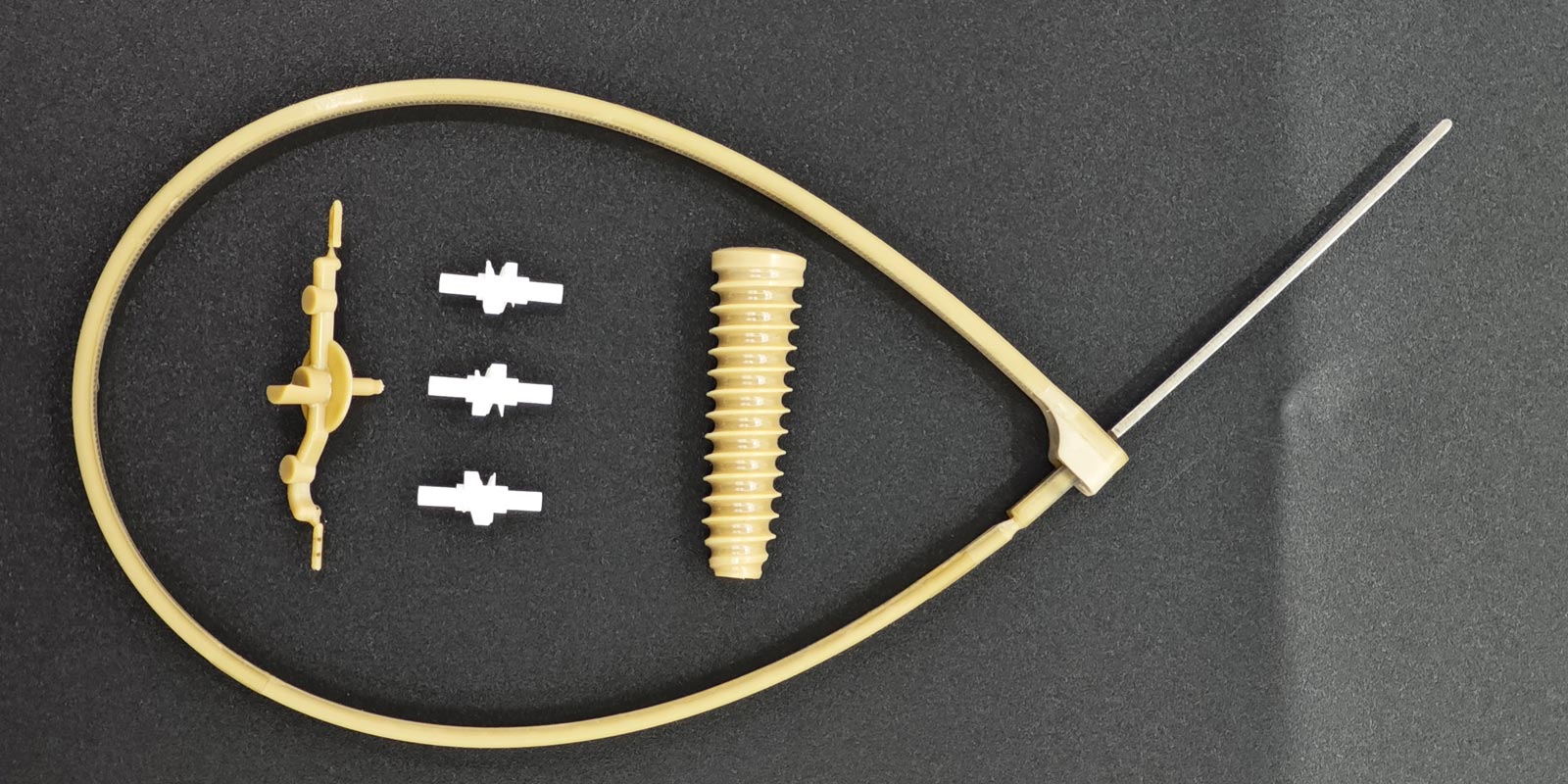
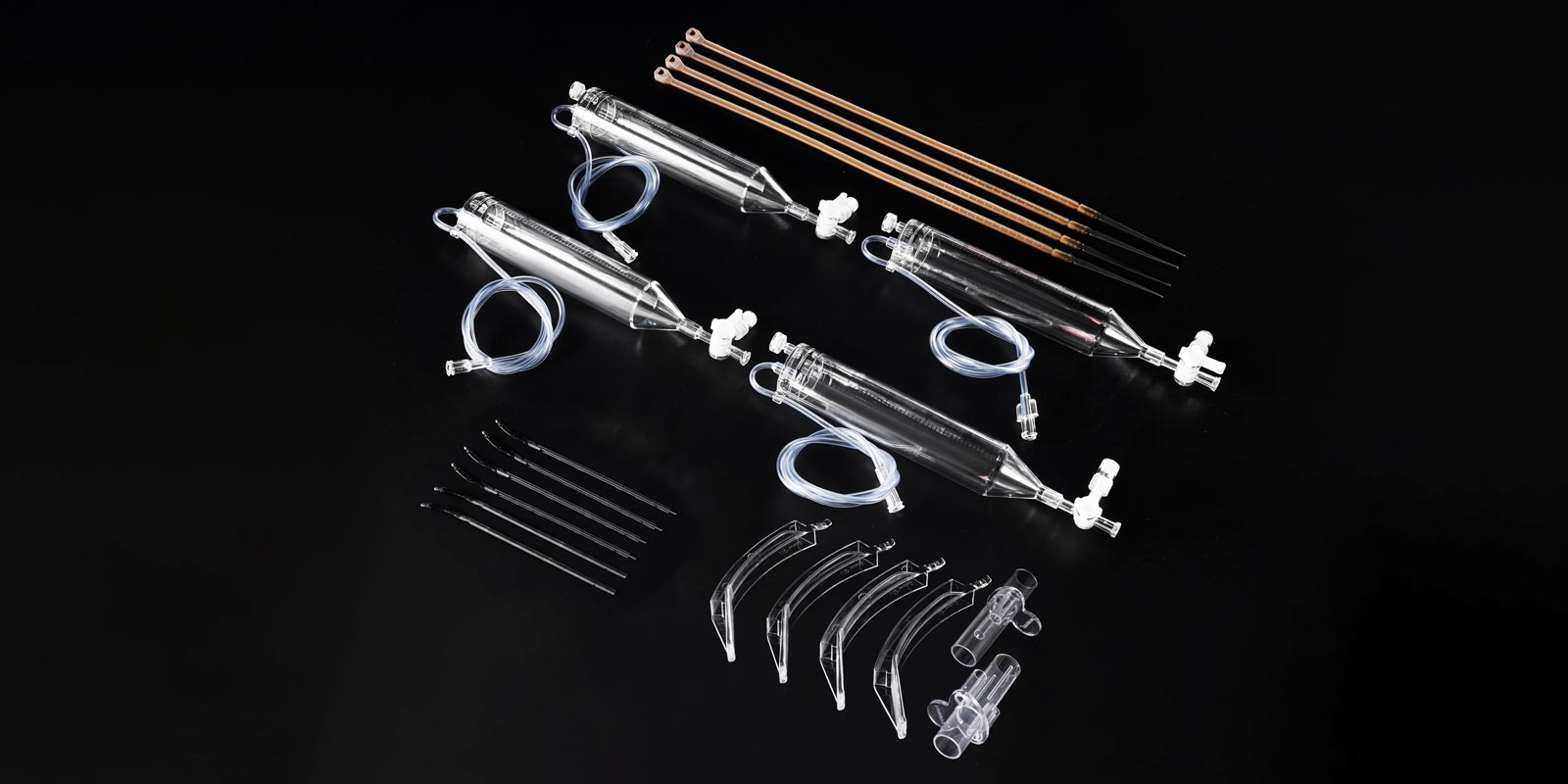
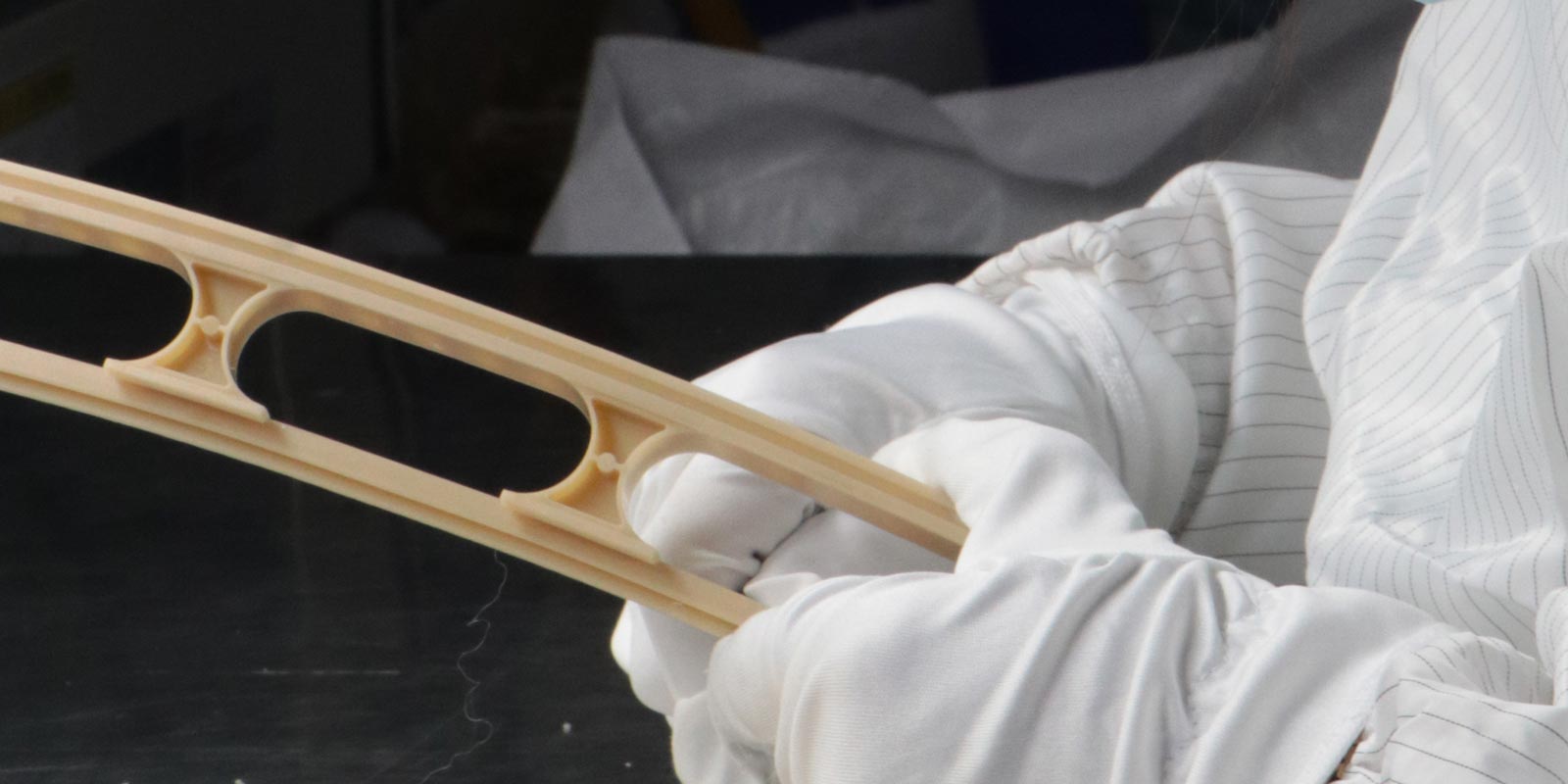
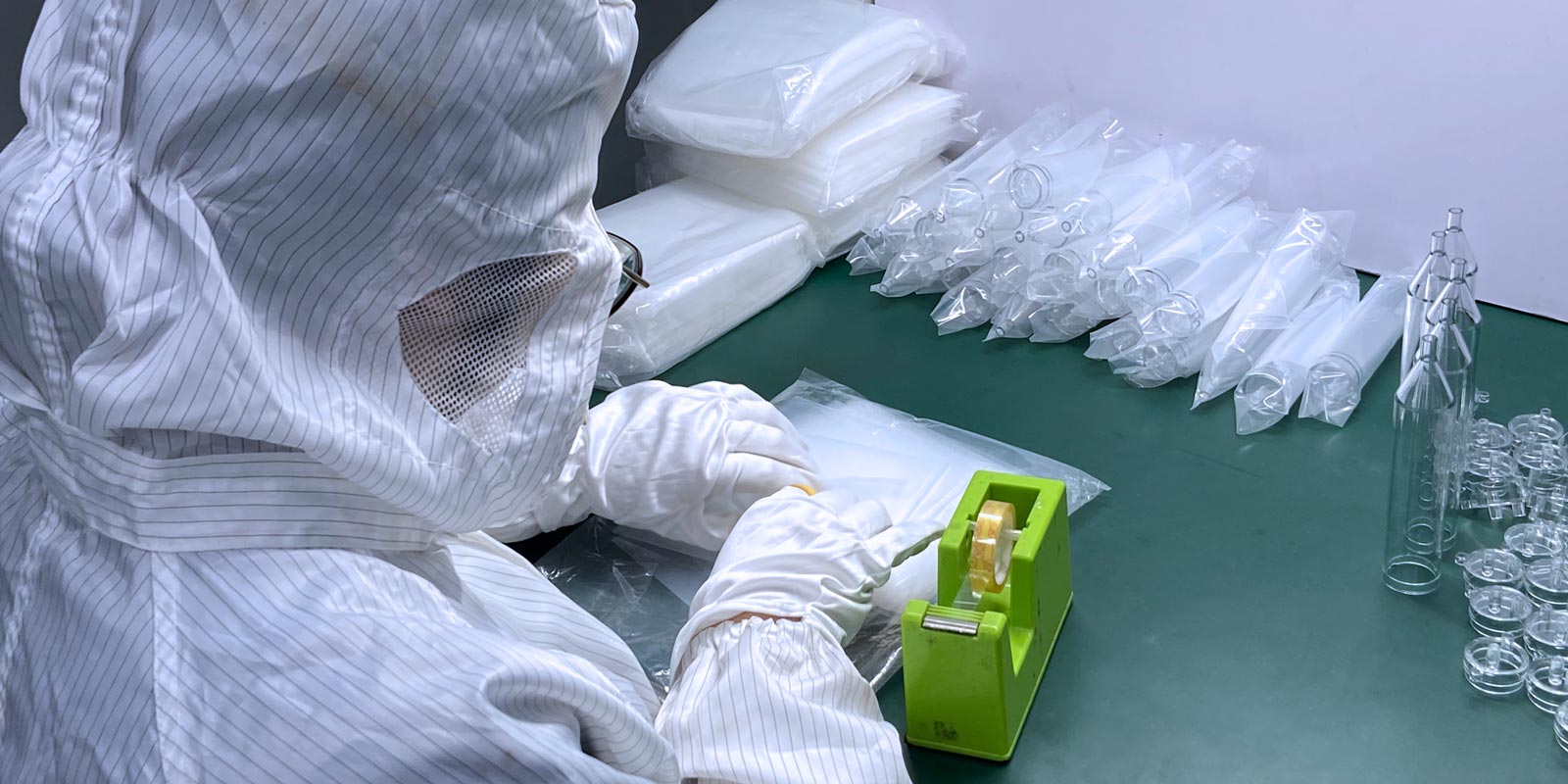
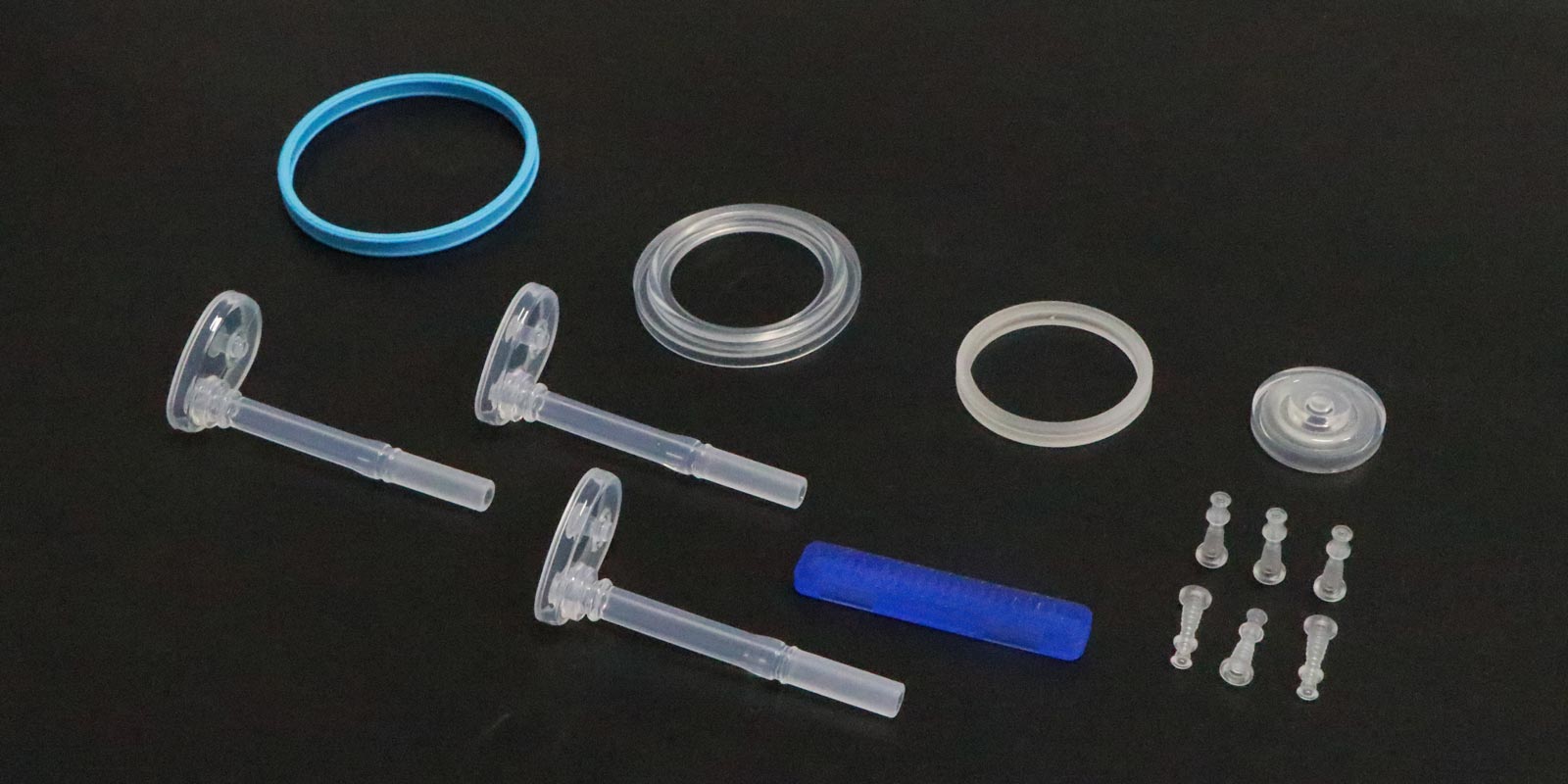



In the medical injection molding industry, product cleanliness and safety directly impact patient health and treatment outcomes. However, black spots and impurities—common defects in injection-molded parts—not only compromise appearance but also risk bacterial growth, posing medical hazards. This article analyzes the root causes of black spots and impurities, offering systematic solutions through process optimization, material management, equipment maintenance, and more, to help enterprises enhance product quality and production efficiency.
Black spots typically manifest as black, brown, or gray particles on or inside injection-molded parts, originating from:
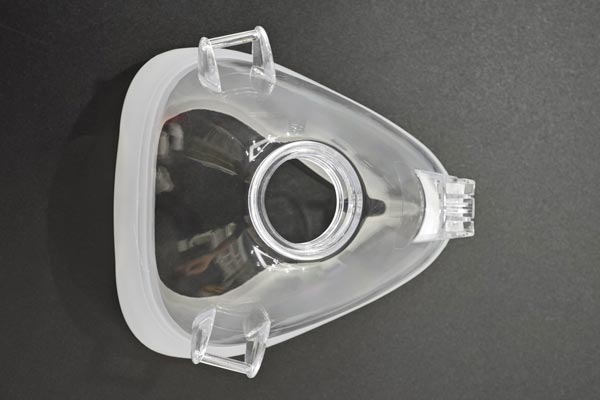
Material Management:
Process Optimization:
Mold/Equipment Maintenance:
Environmental Control:
A medical manufacturer reduced black spot defects from 3% to 0.1% by:
Eliminating black spots requires holistic control across materials, processes, equipment, and environments. Future advancements in AI-driven quality monitoring and predictive analytics will further enable lean manufacturing in the medical sector.
PREV:没有了
NEXT:Noise Too Loud During Medical Injection Molding? What Are the Noise Reduction Measures?
Add: 62 Jinghai East Road, Chang'an Town, Dongguan City, Guangdong Province
Whatsapp: 13302615729
Tel: 86-133-0261-5729
Email: info@yizemould.com

Add: 62 Jinghai East Road, Chang'an Town, Dongguan City, Guangdong Province
Whatsapp: 13302615729
Tel: 86-133-0261-5729
Email: info@yizemould.com
 Home
Home