

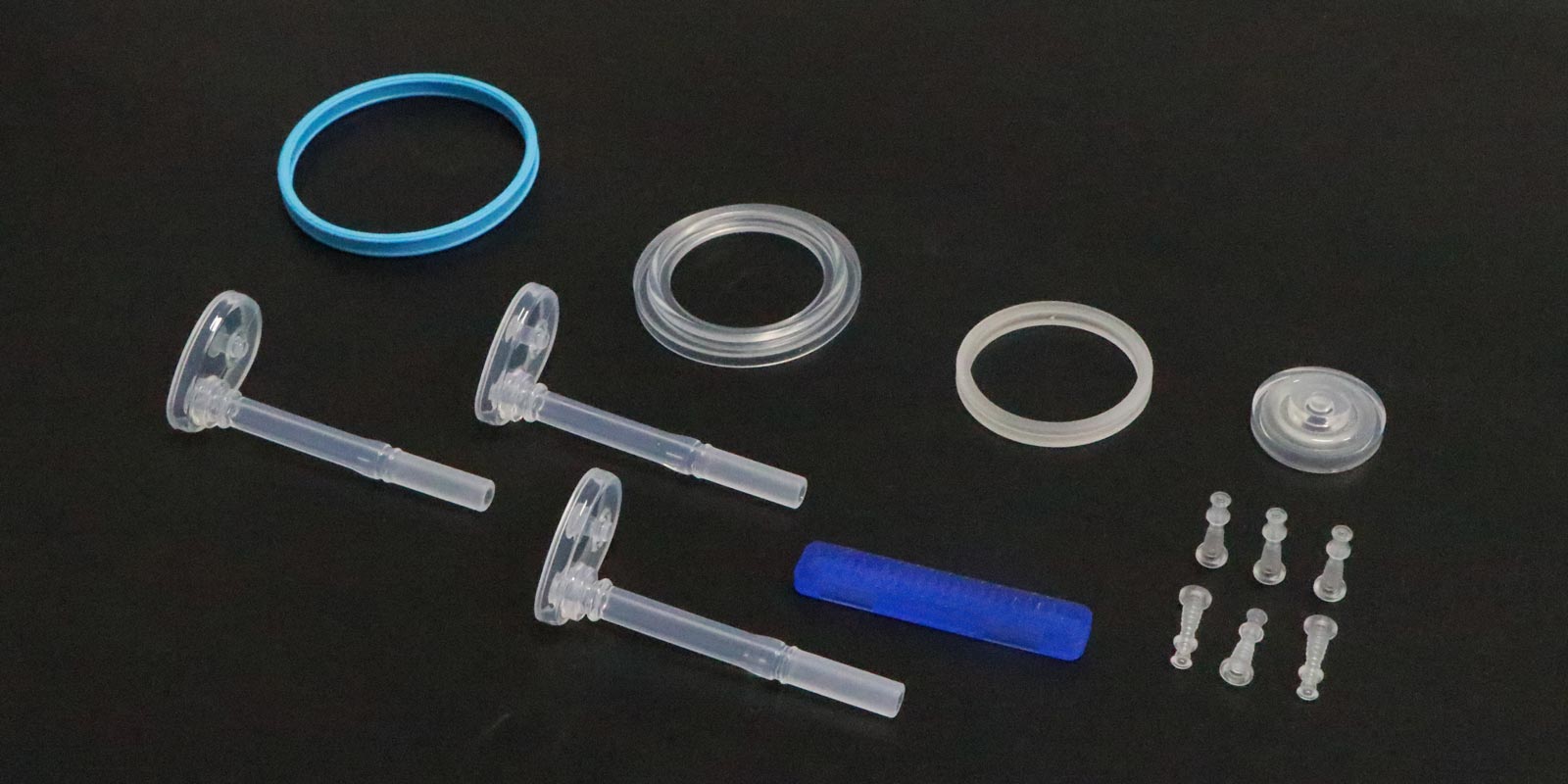



In the production process of medical devices, cracks in injection molded parts is a quality issue that cannot be ignored. Cracks not only affect the appearance and function of the product, but may also directly threaten patient safety. This article starts from the causes of cracks and introduces several effective solutions in detail to help enterprises respond to this problem quickly.
Before dealing with cracks, the root cause must be identified. Cracks in medical injection molded parts are usually related to the following factors:
1. Excessive Internal Stress
During the injection molding process, molten plastic generates residual stress when it cools and shrinks inside the mold. If the cooling speed is uneven or the demolding timing is improper, stress concentrates in a certain area, leading to cracking.
2. Raw Material Issues
Medical-grade plastics such as PC, PP, ABS, and PEEK are very sensitive to moisture and temperature. If the raw materials are not fully dried before injection molding, or if incompatible recycled materials are mixed in, cracks are likely to appear after molding.
3. Unreasonable Process Parameters
Excessive injection speed, insufficient holding pressure, low melt temperature, or uneven mold temperature are all common process-related causes of cracks.
4. Mold Design Defects
Improper gate location, excessive wall thickness variation, and lack of reasonable fillet transitions can all cause cracks at stress concentration areas.
Method 1: Optimize Injection Molding Process Parameters
This is the lowest-cost and fastest-acting approach. The following aspects are recommended:
Method 2: Fully Dry the Raw Materials
Medical-grade plastics have strong moisture absorption. They must be dried according to the material supplier's requirements before injection molding. For example, PC material typically needs to be dried at 120 degrees Celsius for 4 to 6 hours, while PEEK material requires even higher temperatures and longer drying times. Insufficient drying is one of the top causes of cracks.
Method 3: Improve Mold Design
If cracks still exist after process adjustment, improvements must be made on the mold side:
Method 4: Perform Annealing Treatment
For molded parts that have already been formed and show minor cracks, annealing can be used to eliminate internal residual stress. The specific method is to place the injection molded part in an oven, hold it at a temperature below the material's heat deflection temperature for a period of time, and then cool it slowly. This method is especially suitable for stress-sensitive medical-grade materials such as PC and PPSU.
Method 5: Replace or Modify the Material
When none of the above methods can completely solve the problem, consider replacing with a material that has better toughness, or adding a toughening agent to the original material. For example, adding a certain proportion of elastomer to PC can significantly improve crack resistance. However, it should be noted that any material change must undergo new biocompatibility testing to ensure compliance with medical device regulatory requirements.
Rather than fixing cracks after they appear, it is better to prevent them at the production front end. Enterprises are advised to establish a complete incoming material inspection system, strictly control the raw material moisture content, standardize injection molding process parameters, and perform regular mold maintenance.
For medical devices that have already been shipped, once cracks are found in injection molded parts, the non-conforming product handling process should be initiated immediately, the risk level should be assessed, and a recall should be carried out if necessary. Never take any chances.
Q: Can tiny cracks on medical injection molded parts be repaired with glue?
A: Not recommended. Medical devices have strict requirements for surface integrity and material performance. Glue repair may introduce new contaminants, affect biocompatibility, and cannot guarantee the strength of the repaired area. If cracks are found, the parts should be evaluated and then scrapped or reworked. They should not be simply repaired and released.
Q: Will annealing cause the injection molded part to deform?
A: Possibly. During the annealing process, the material will undergo a certain degree of shrinkage and stress release, so dedicated fixtures are needed to secure the critical dimensions of the injection molded part. For medical components with extremely high precision requirements, small-batch trials should be conducted before annealing.
Q: How can I quickly determine whether a crack is an injection molding defect or one that occurred during use?
A: Cracks caused by injection molding typically appear near the gate, at wall thickness transition areas, or at ejector pin locations, and the crack direction is consistent with the weld line direction. Cracks that occur during use mostly appear at stress points or areas subject to repeated bending. Cross-section observation and process record tracing can help with the judgment.
PREV:Why Do Medical Injection-Molded Parts Keep Failing? A Comprehensive Guide
NEXT:How to Deal with Sink Marks in Medical Injection Molded Products?
Add: 62 Jinghai East Road, Chang'an Town, Dongguan City, Guangdong Province
Whatsapp: +86 13342659272
Email: Yuliya.chen@yizemould.com

Add: 62 Jinghai East Road, Chang'an Town, Dongguan City, Guangdong Province
Whatsapp: +86 13342659272
Email: Yuliya.chen@yizemould.com
 Home
Home