

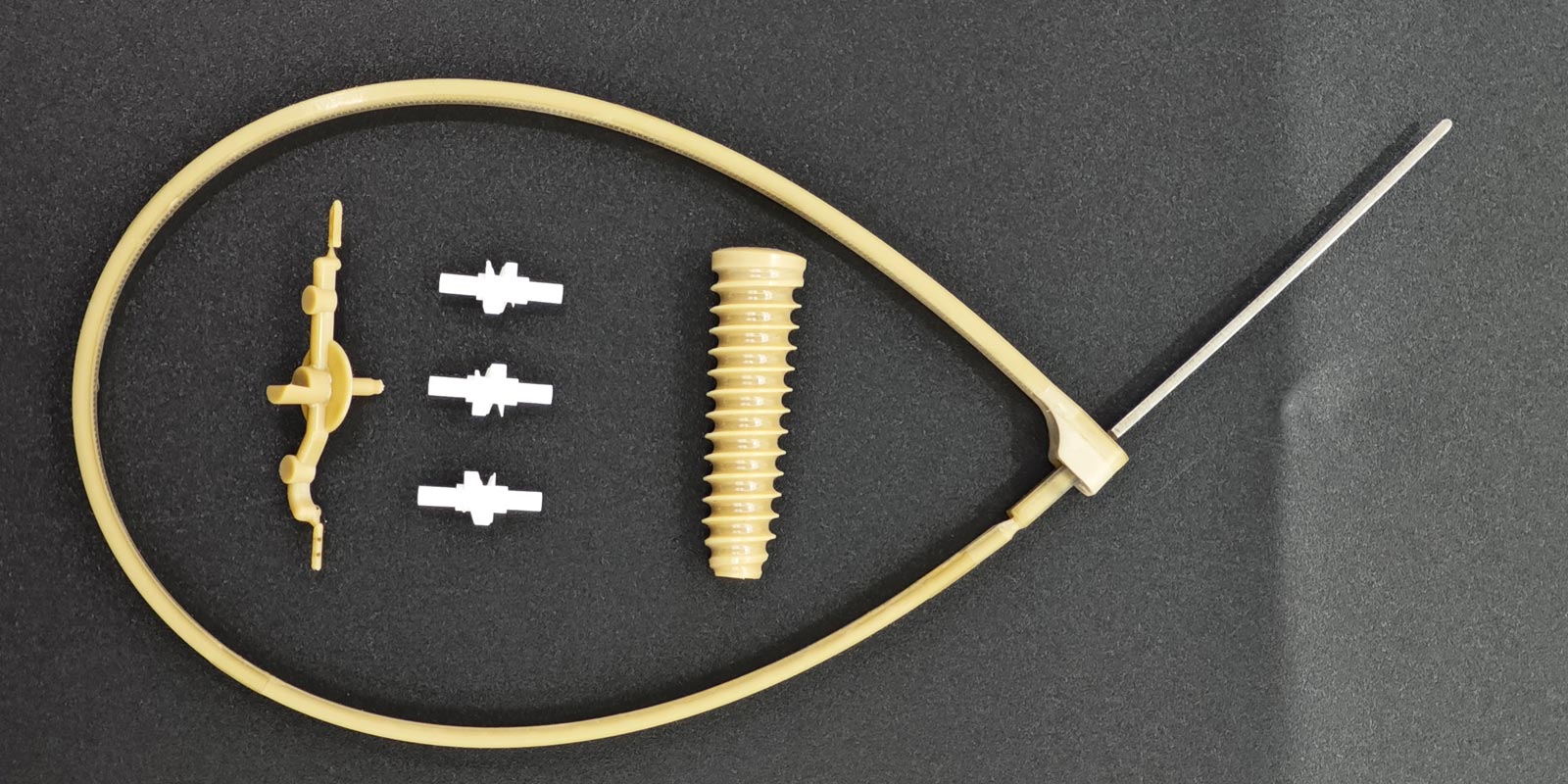
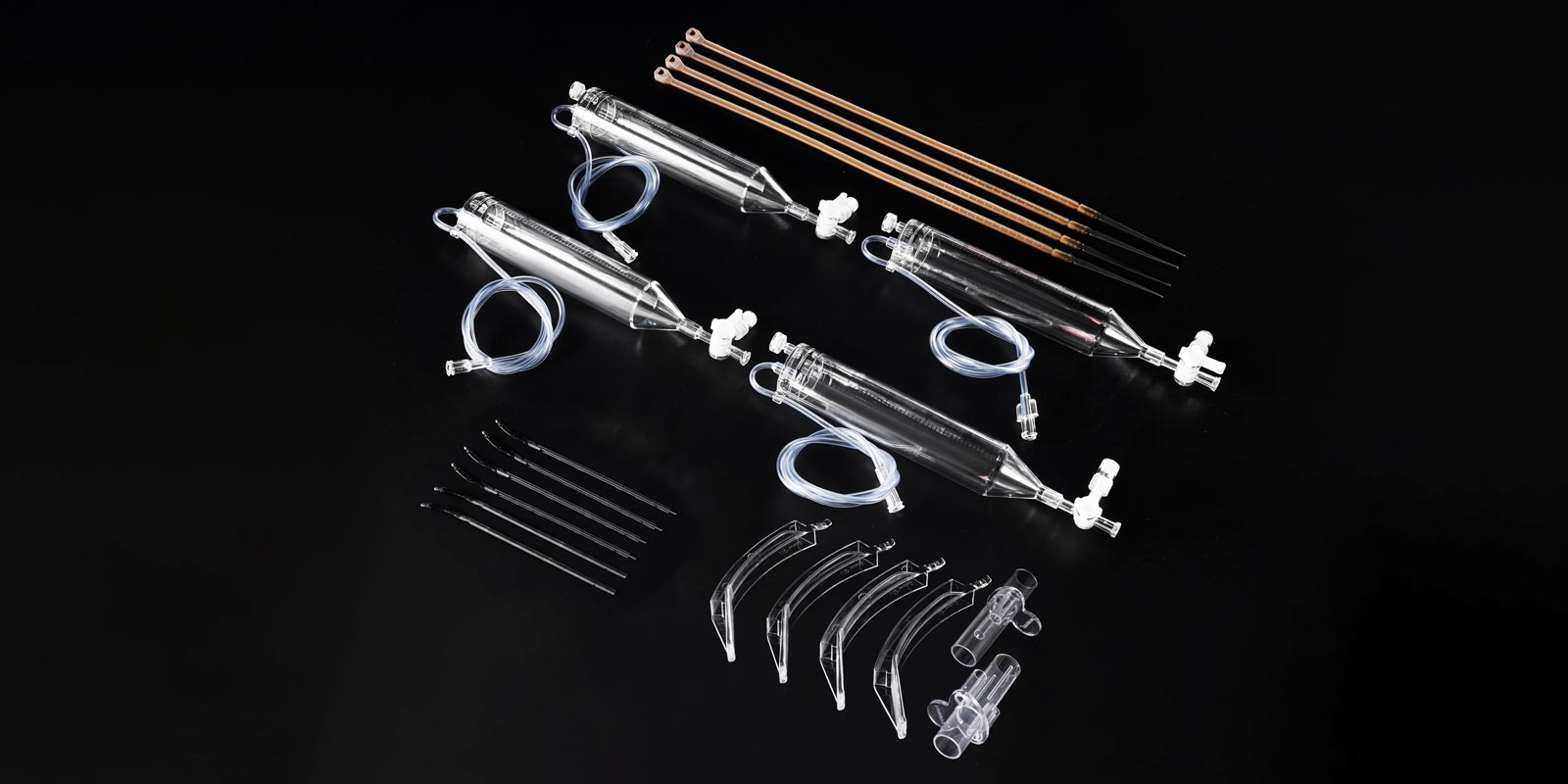
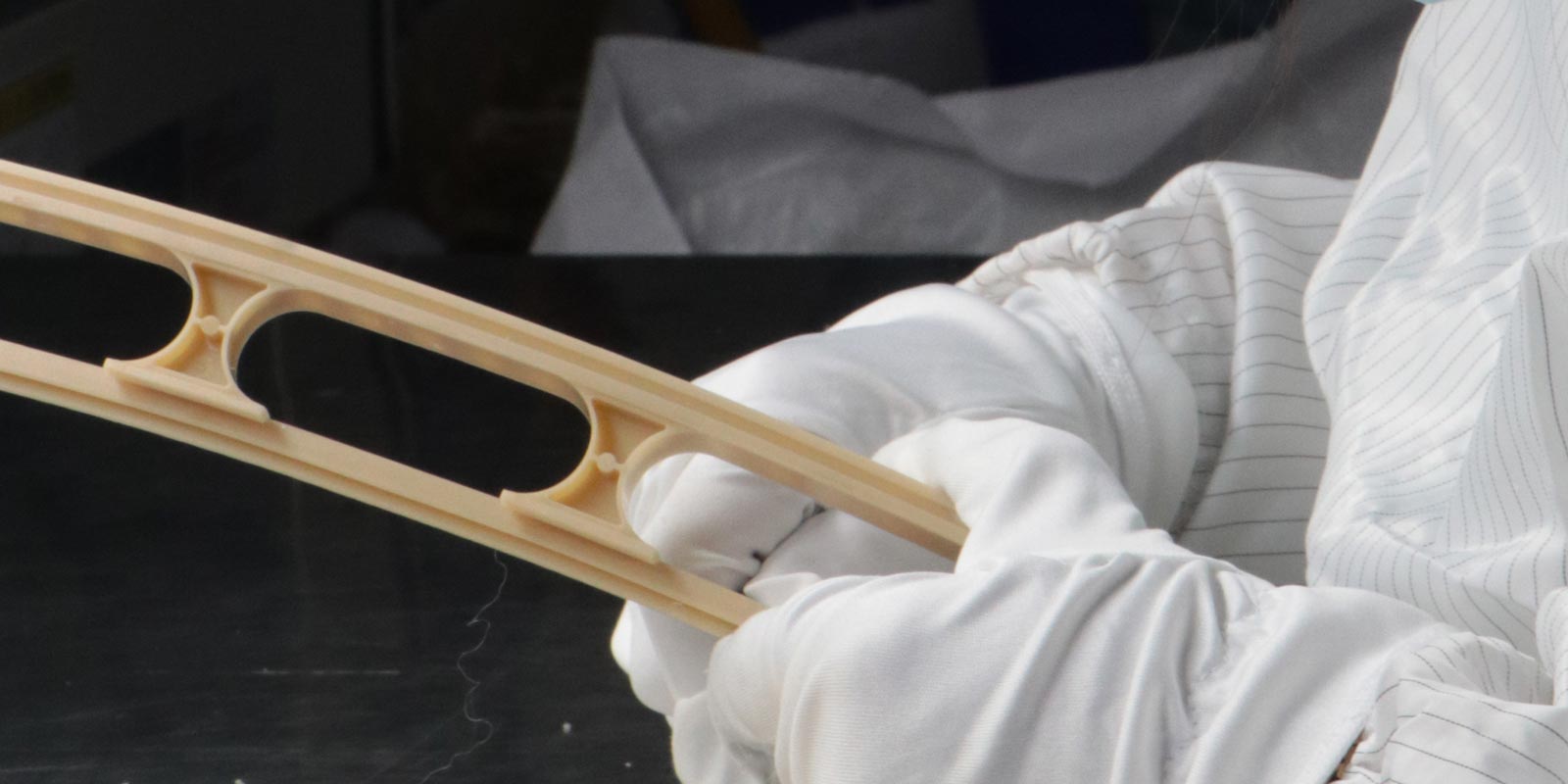
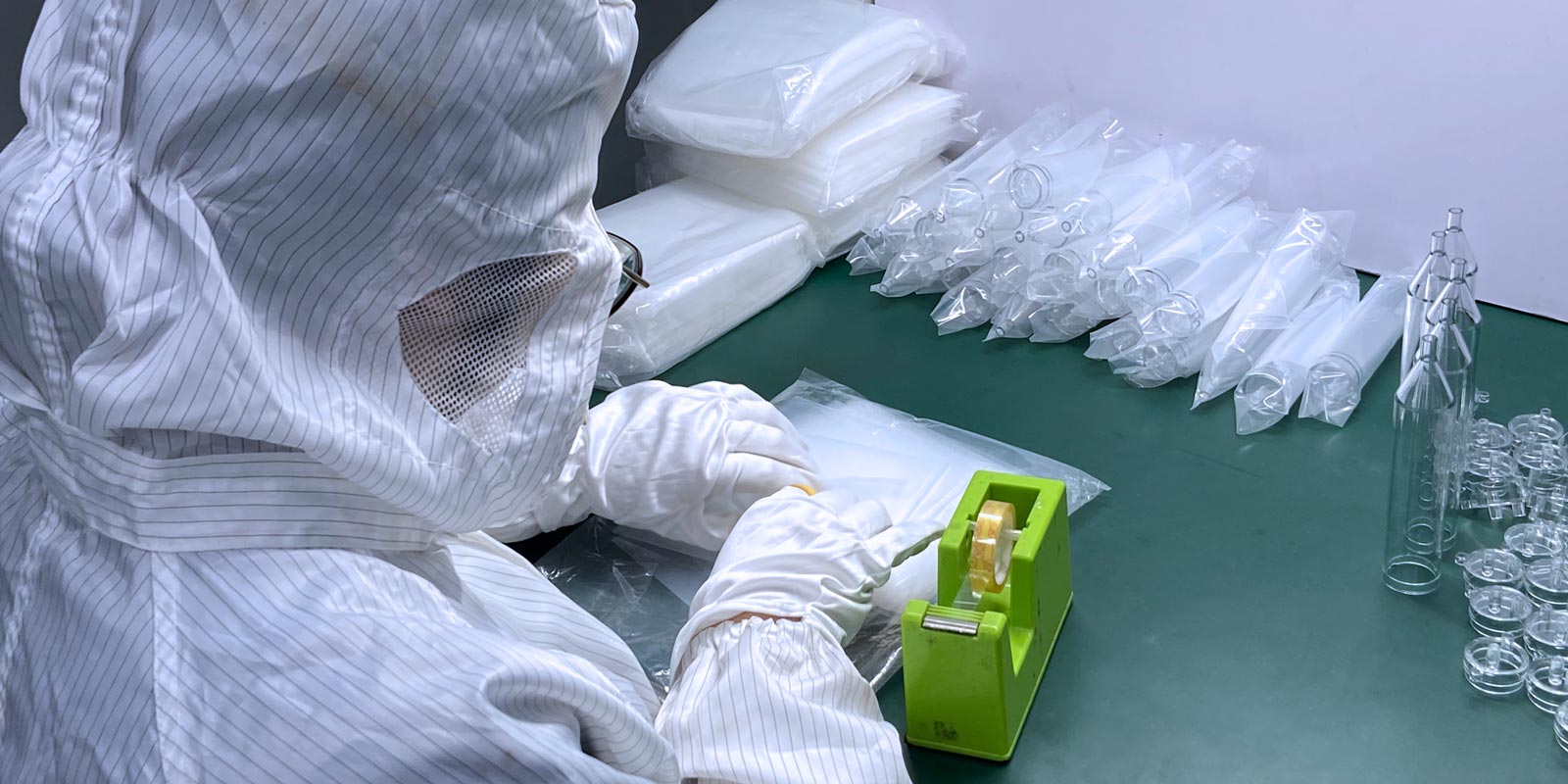
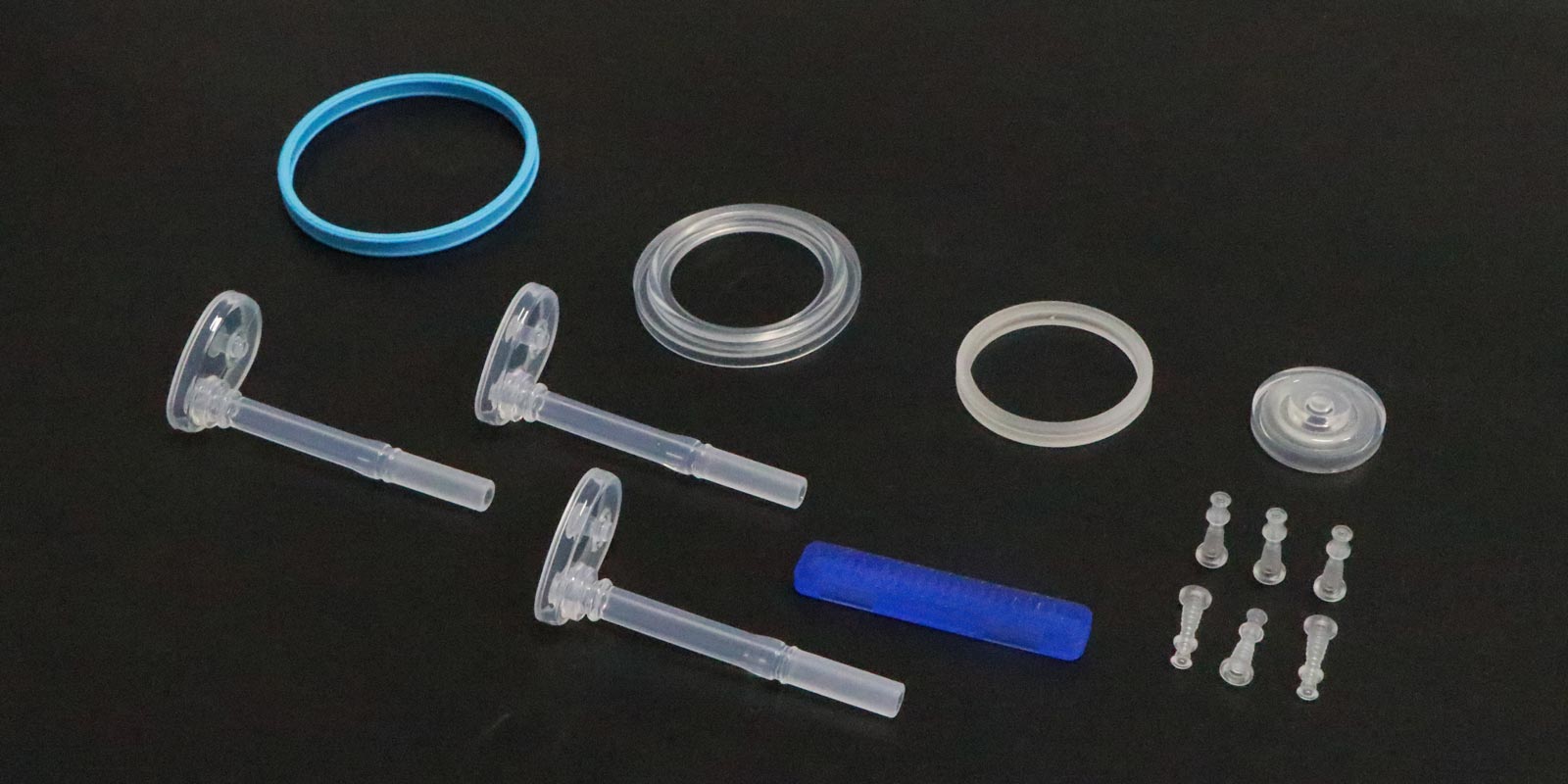



In medical device injection molding production, dimensional accuracy directly affects product assembly performance and clinical safety. When injection molded parts exhibit dimensional deviations, the production team often immediately falls into debate: is it caused by mold wear, or is it due to insufficient injection molding equipment precision? In fact, the answer is not a simple either-or, but requires a systematic investigation from multiple dimensions.
Medical injection molded products typically have extremely strict dimensional tolerance requirements. The tolerances for some precision components are even controlled within plus or minus 0.02 millimeters. Under such high demands, mold wear is often the primary cause of dimensional drift.
Under repeated opening and closing cycles and high-temperature, high-pressure environments, the mold cavity surface gradually experiences microscopic material loss. This is especially true for precision sliders, narrow rib features, and thin-wall structures commonly found in medical products. The wear rate in these areas far exceeds that of conventional products. When the cavity dimensions expand due to wear, the outer diameter of the molded part becomes larger and the wall thickness becomes thinner. Conversely, if wear occurs at the gate area, it may cause flow rate changes, indirectly affecting filling uniformity, which ultimately manifests as dimensional inconsistency.
To determine whether mold wear is the cause, you can use the following methods for confirmation: track the dimensional trends of consecutive batches produced by the same mold. If the dimensions show a unidirectional shift (such as continuously becoming larger or smaller), the likelihood of mold wear is very high. Meanwhile, regular three-coordinate measurement or profilometer inspection of the mold cavity can quantify the degree of wear.
Many factories, when investigating dimensional issues, habitually point the finger at the mold while overlooking the precision condition of the injection molding equipment itself.
Issues such as uneven clamping force, excessive tie bar elongation, injection pressure fluctuations, and screw check ring wear on the injection molding machine can all directly affect product dimensional stability. For example, when the clamping force is insufficient or uneven, the mold will undergo slight elastic deformation under high injection pressure, causing the cavity to momentarily expand and the product dimensions to become larger. When the screw check ring is worn, molten material will flow back during injection, causing the actual injection volume to deviate from the set value, ultimately leading to fluctuations in product weight and dimensions.
In addition, the precision of the equipment's temperature control system cannot be ignored. Engineering plastics commonly used in medical injection molding, such as PEEK, PC, and PSU, are extremely sensitive to material temperature. If the temperature control deviation of each barrel zone exceeds plus or minus 5 degrees Celsius, the material's shrinkage rate will change significantly, resulting in dimensional instability.
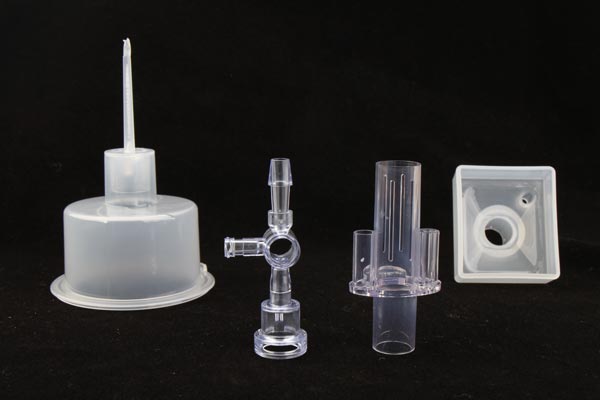
Beyond the mold and equipment, improper process parameter settings and raw material batch variations are also important causes of poor dimensional accuracy.
Insufficient holding pressure will cause excessive product shrinkage, resulting in undersized dimensions. Excessive holding time may cause overpacking near the gate, resulting in oversized dimensions. Uneven cooling time is a common cause of product warpage, deformation, and dimensional out-of-tolerance, especially in elongated structures and unequal wall thickness designs of medical products.
Regarding raw materials, different batches of plastic pellets vary in molecular weight distribution, moisture content, and melt flow index, all of which directly affect the shrinkage rate. In medical injection molding, without strict incoming inspection of raw materials, dimensional fluctuations are almost inevitable.
It is recommended to use the elimination method for systematic diagnosis. First, try the same mold on different machines. If the dimensional problem persists, the equipment factor can be basically ruled out, and the issue is locked to the mold or process. Second, use the same machine with a new mold for trial molding. If the dimensions return to normal, the original mold can be confirmed to have wear. Finally, after confirming that both the mold and equipment are normal, investigate process parameters and raw materials one by one.
For medical injection molding enterprises, establishing a comprehensive mold life management file and a regular equipment precision calibration system is the key measure to fundamentally ensure product dimensional accuracy.
Q: What is the most likely cause when medical injection molded product dimensions continuously shift in one direction?
A: It is most likely caused by mold cavity wear. It is recommended to perform dimensional inspection on the mold and evaluate whether repair or replacement is needed.
Q: The same mold produces significantly different dimensions on different injection molding machines. Where is the problem?
A: The problem most likely lies with the injection molding equipment. It may be caused by inconsistent clamping force, injection pressure, or temperature control precision.
Q: Product dimensions vary randomly, sometimes large and sometimes small, with no pattern. Is it a mold issue or an equipment issue?
A: This situation is more likely caused by unstable process parameters or raw material batch fluctuations. It is recommended to first check the holding pressure settings and incoming material consistency.
Q: How often should medical injection molds be inspected for dimensional accuracy?
A: It is recommended to perform cavity dimensional inspection every 50,000 to 100,000 mold cycles, depending on production volume and product precision requirements. For high-precision products, the inspection cycle should be shortened.
Q: How to determine whether an injection molding machine's precision meets the requirements for medical product production?
A: You can comprehensively evaluate by measuring the machine's repeat injection volume precision, clamping force uniformity, and tie bar elongation. Key indicators should comply with medical-grade injection molding equipment standards.
PREV:Why Do Medical Injection-Molded Parts Keep Failing? A Comprehensive Guide
NEXT:How to Adjust Molding Process Parameters When Molded Products Have Peel Texture on the Surface?
Add: 62 Jinghai East Road, Chang'an Town, Dongguan City, Guangdong Province
Whatsapp: +86 13342659272
Email: Yuliya.chen@yizemould.com

Add: 62 Jinghai East Road, Chang'an Town, Dongguan City, Guangdong Province
Whatsapp: +86 13342659272
Email: Yuliya.chen@yizemould.com
 Home
Home