

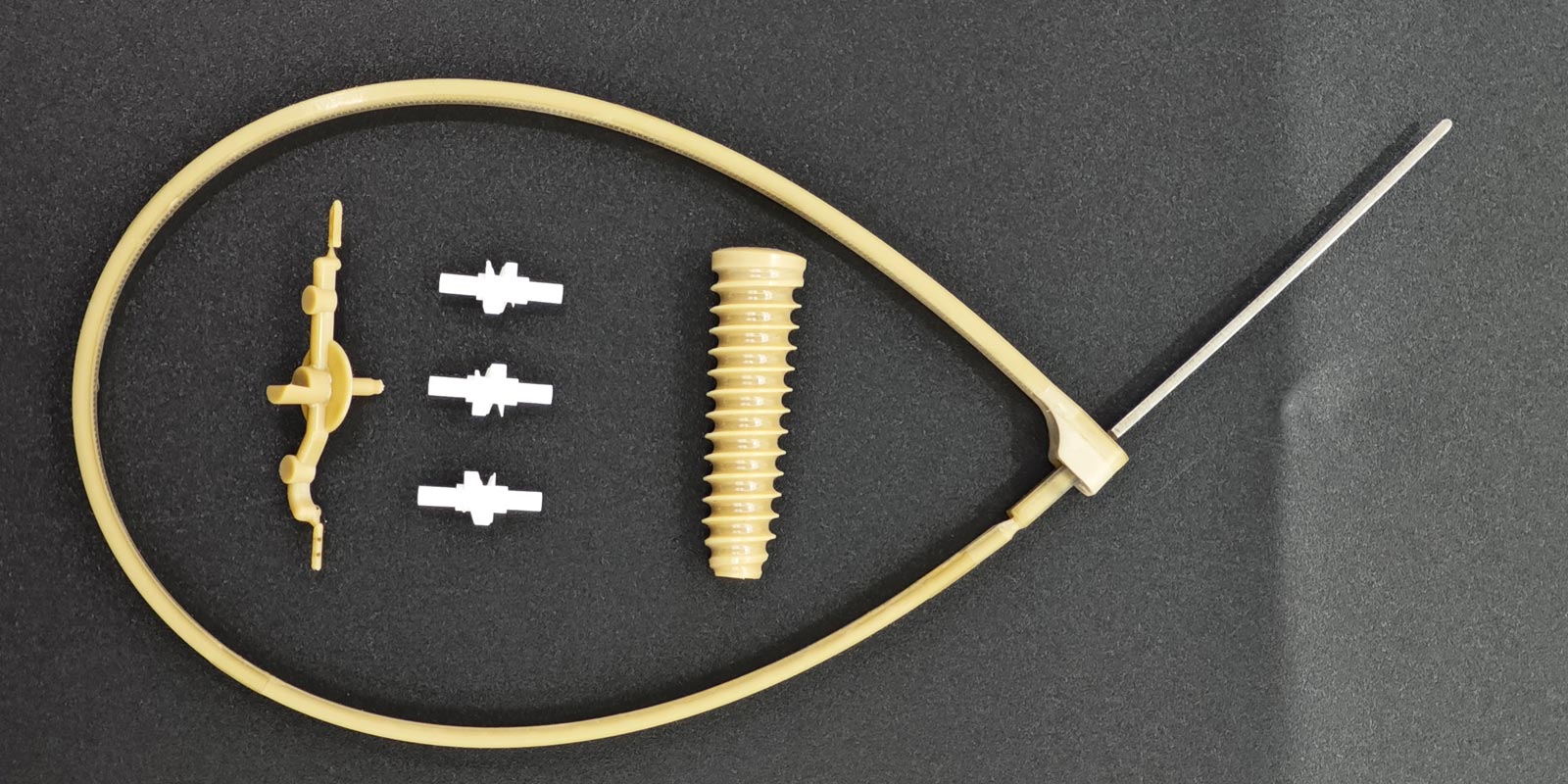
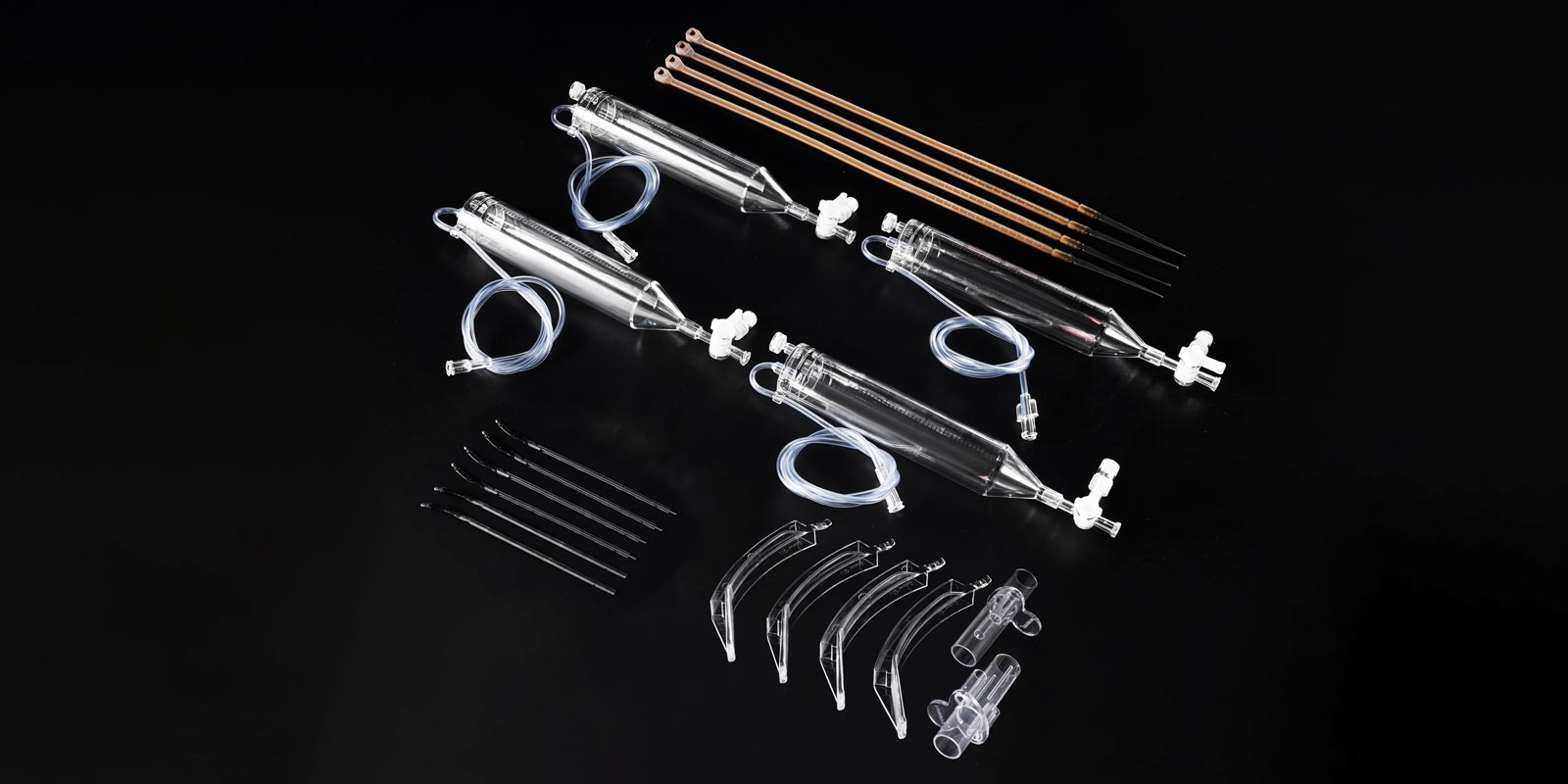
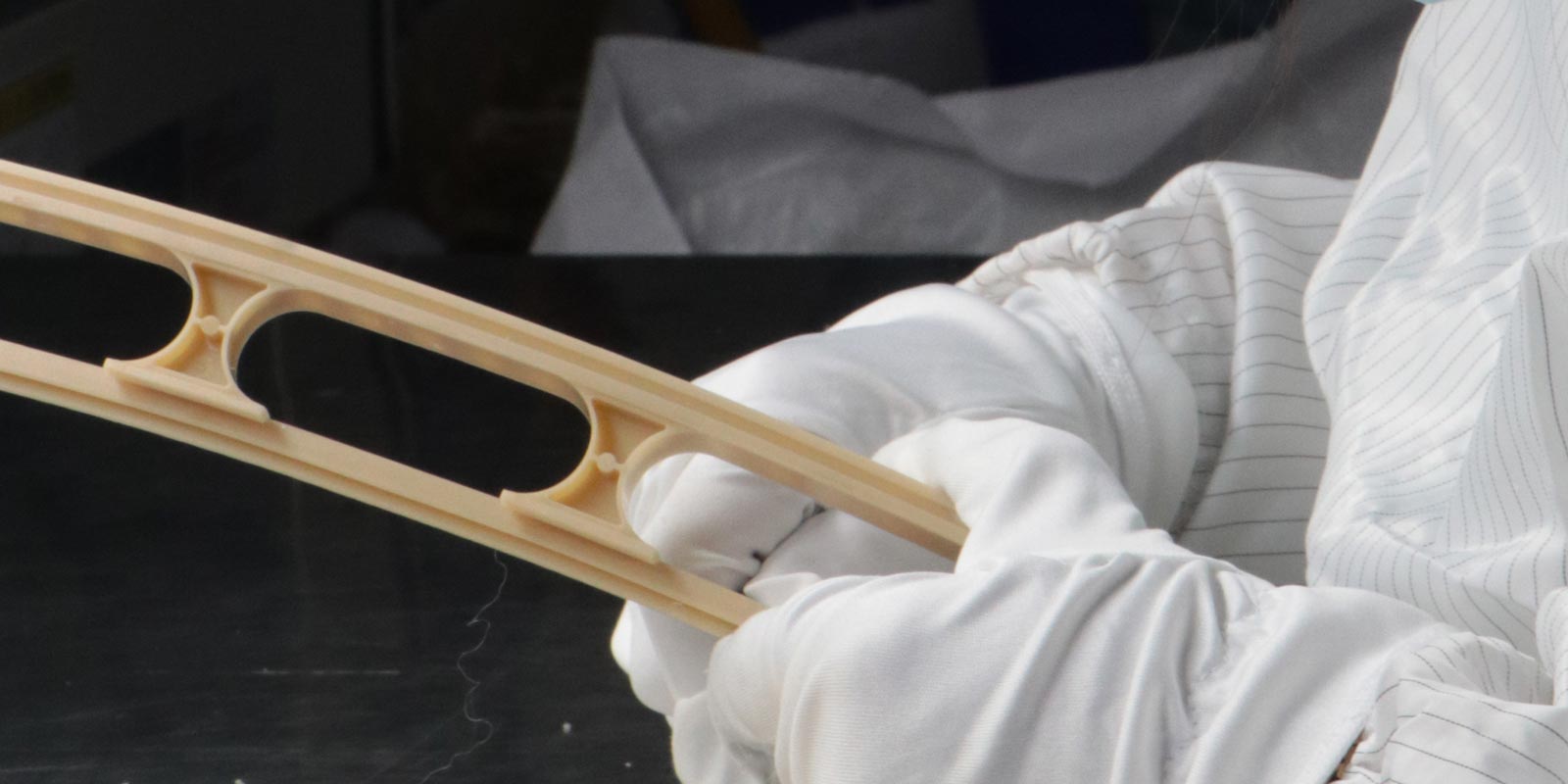

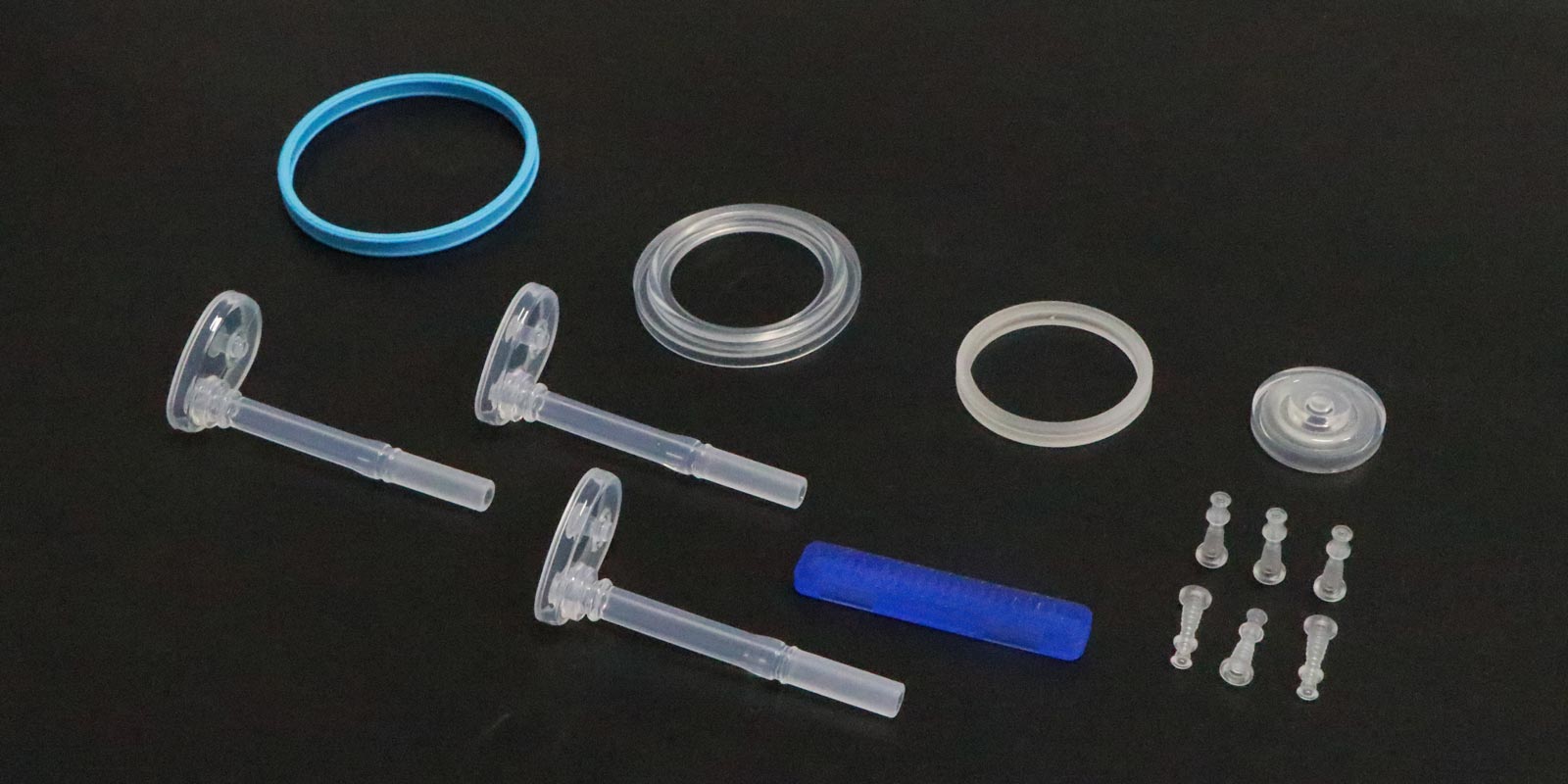



Medical injection molded products come into direct contact with the human body or are used in clinical environments. Every detail of the mold design can affect the safety, efficacy, and compliance of the product. Compared with standard injection molds, medical-grade molds are subject to far stricter requirements in terms of materials, precision, cleanliness, and traceability. The following are the core areas that must be prioritized during the design process.
The mold steel itself does not directly contact the product, but mold surface treatments, lubricants, and release agents do. The design phase must establish clearly that the mold cavity surface should use corrosion-resistant, easy-to-clean steels such as S136, H13, or stainless steel series. All auxiliary materials that come into contact with the product, including release agents and ejector pin lubricants, must comply with the ISO 10993 biocompatibility standard. This is not an afterthought but a hard constraint that must be locked in during the design review stage.
The fit accuracy of medical devices often directly relates to functional safety. For example, the wall thickness uniformity of catheters and the sealing fit of connectors may require tolerances controlled within plus or minus 0.02 millimeters or even tighter. During mold design, the fluctuation range of material shrinkage must be considered. It is recommended to set cavity dimensions based on actual material batch data rather than theoretical values. At the same time, the mold must maintain dimensional stability over long-term production, which means mold frame rigidity, cooling uniformity, and wear-resistant design cannot be compromised.
Medical injection molded parts have explicit requirements for surface roughness, typically requiring Ra not greater than 0.2 micrometers. Some implant-grade products even require mirror polishing. The machining process, polishing direction, and texture consistency of the mold cavity all need to be planned clearly during the design phase. It is especially important to note that the polishing direction should be consistent with the demolding direction to avoid dragging marks. Any micro-cracks or orange peel texture on the mold surface will be replicated on the product, leading to batch-level defects.
Medical products often have thin walls and complex structures, making air entrapment a more prominent issue than with ordinary products. Trapped air causes burning, short shots, and weakened weld lines, all of which are unacceptable in medical products. During design, mold flow analysis software should be used to layout venting slots at every air trap location. Venting slot depth is generally controlled between 0.02 and 0.05 millimeters, with width adjusted according to the size of the trapped air area. The venting direction must face outward from the mold and must never face the product surface.
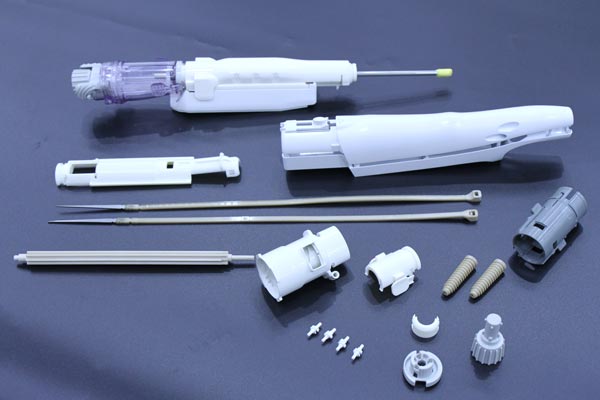
The appearance and functional areas of medical products typically do not allow visible gate marks. During design, a hot runner system combined with valve gates should be prioritized to achieve automatic gate cutting with minimized marks. For transparent or cosmetic parts, the effect of gate location on product stress distribution must also be considered to avoid stress concentration in the use area, which could lead to cracking or performance degradation.
The ejection design of medical molds must ensure that the product is not deformed, scratched, or left with residue. Ejector pin positions should be placed on non-functional surfaces or areas where slight marks are acceptable. The number and distribution of ejector pins must be verified through mold flow analysis to prevent whitening or breakthrough. More critically, the sealing design of ejector pin holes must prevent lubricant from seeping into the product interior, which is absolutely prohibited in products that come into contact with medication or blood.
Medical products are sensitive to thermal deformation. Uneven cooling leads to warpage and excessive internal stress. Mold cooling water channels should be placed as close as possible to the cavity surface, and the channel diameter and spacing must be optimized through thermal analysis. For high-precision medical parts, conformal cooling or baffle-style cooling is recommended to keep the cavity surface temperature difference within plus or minus 2 degrees Celsius.
The medical industry requires full-process traceability. During mold design, each mold set should be assigned a unique identification number, and all critical components such as cavities, cores, and inserts should carry independent markings. The mold should have reserved engraving positions for mold number, cavity number, and production date. These seemingly simple design provisions are actually the foundational conditions for passing FDA audits and ISO 13485 certification.
Many medical products need to withstand ethylene oxide, gamma radiation, or high-temperature steam sterilization. During mold design, it must be confirmed that all steels and surface treatments can endure repeated sterilization without corrosion or discoloration. The materials of sealing rings and O-rings must also be matched to the sterilization method; otherwise, aging and excessive leaching may occur during use.
The delivery of a medical mold is not just the physical mold; it must also include complete design documentation, including DFMEA, mold flow analysis reports, material certifications, and dimensional inspection reports. These deliverables must be incorporated into the work plan during the design phase, not added after trial molding.
Q: What is the biggest difference between medical injection molds and standard molds?
A: The core difference lies not in the structure itself but in the compliance requirements across the entire process. Every step of a medical mold, from material selection and machining process to document management, must meet regulatory standards, with extremely low tolerance for error.
Q: How should mold steel be selected to meet medical requirements?
A: S136, 420SS, or H13 and other corrosion-resistant steels should be prioritized, depending on whether the product requires repeated sterilization and the sterilization method used. All steels must come with material certificates and biocompatibility test reports.
Q: What is the typical service life of a medical mold?
A: Under normal maintenance conditions, the designed lifespan of a medical-grade mold is typically between 500,000 and 1,000,000 cycles. Actual lifespan depends on the abrasiveness of the product material, production frequency, and maintenance level. It is recommended to perform a cavity dimensional review every 100,000 cycles.
Q: Is a hot runner mandatory in medical molds?
A: It is not mandatory, but it is strongly recommended. A hot runner combined with a valve gate reduces cold material generation, lowers scrap rates, and avoids gate marks affecting functional areas of the product. For high-precision medical parts, it is virtually a standard configuration.
PREV:Why Do Medical Injection-Molded Parts Keep Failing? A Comprehensive Guide
NEXT:Complete Guide to Common Defects and Solutions in Medical Injection Molding
Add: 62 Jinghai East Road, Chang'an Town, Dongguan City, Guangdong Province
Whatsapp: +86 13342659272
Email: Yuliya.chen@yizemould.com

Add: 62 Jinghai East Road, Chang'an Town, Dongguan City, Guangdong Province
Whatsapp: +86 13342659272
Email: Yuliya.chen@yizemould.com
 Home
Home