

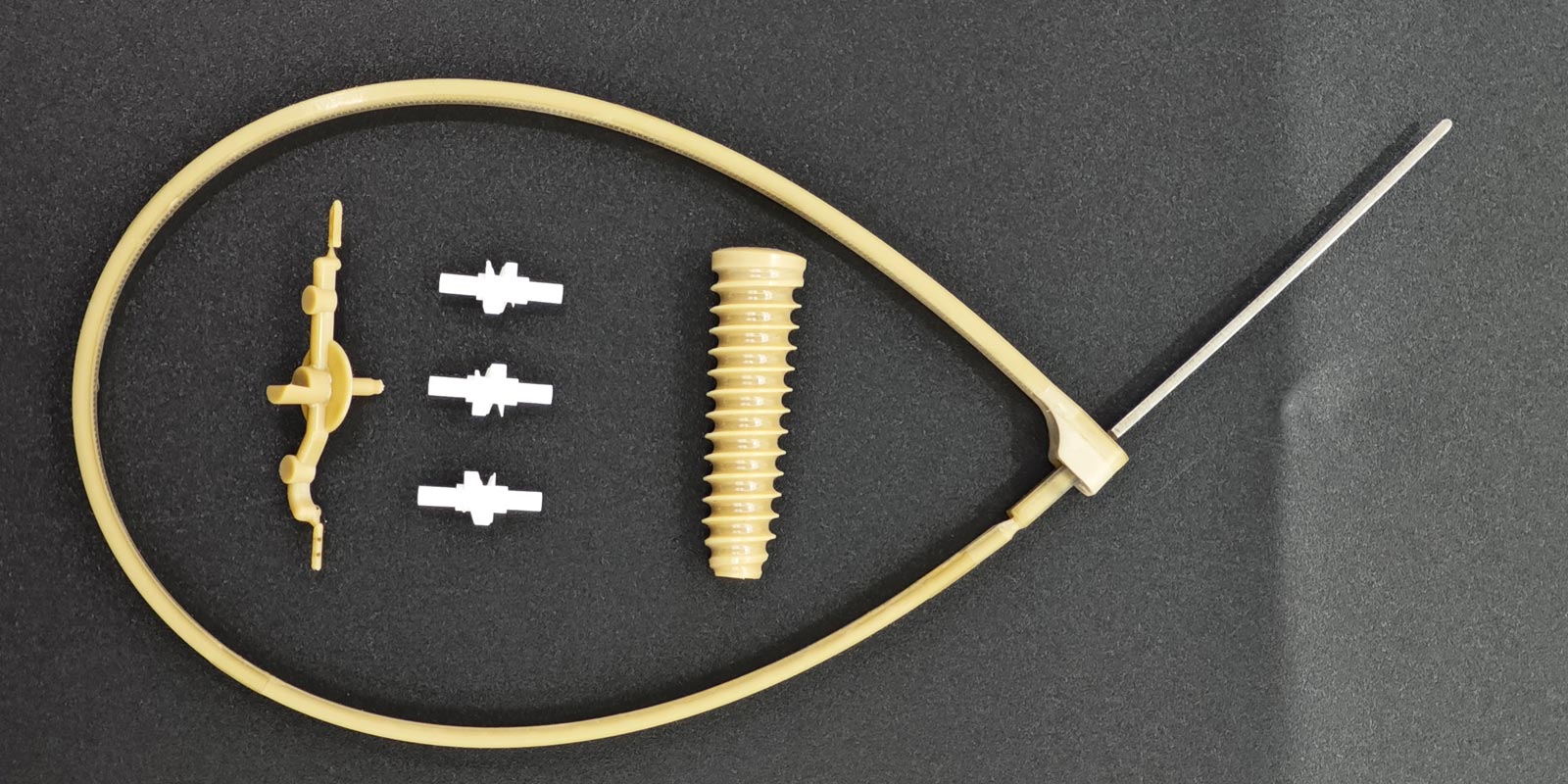
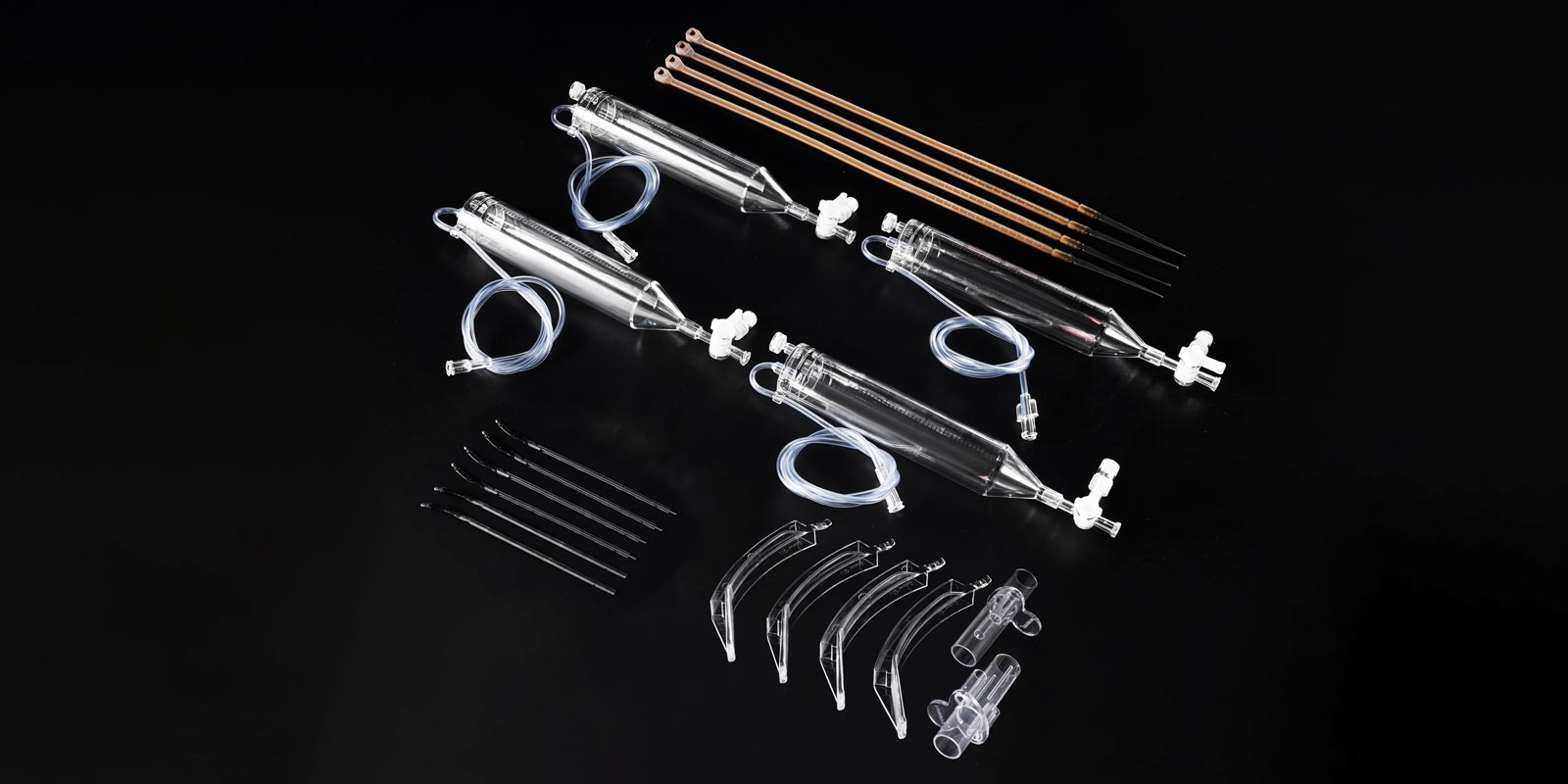
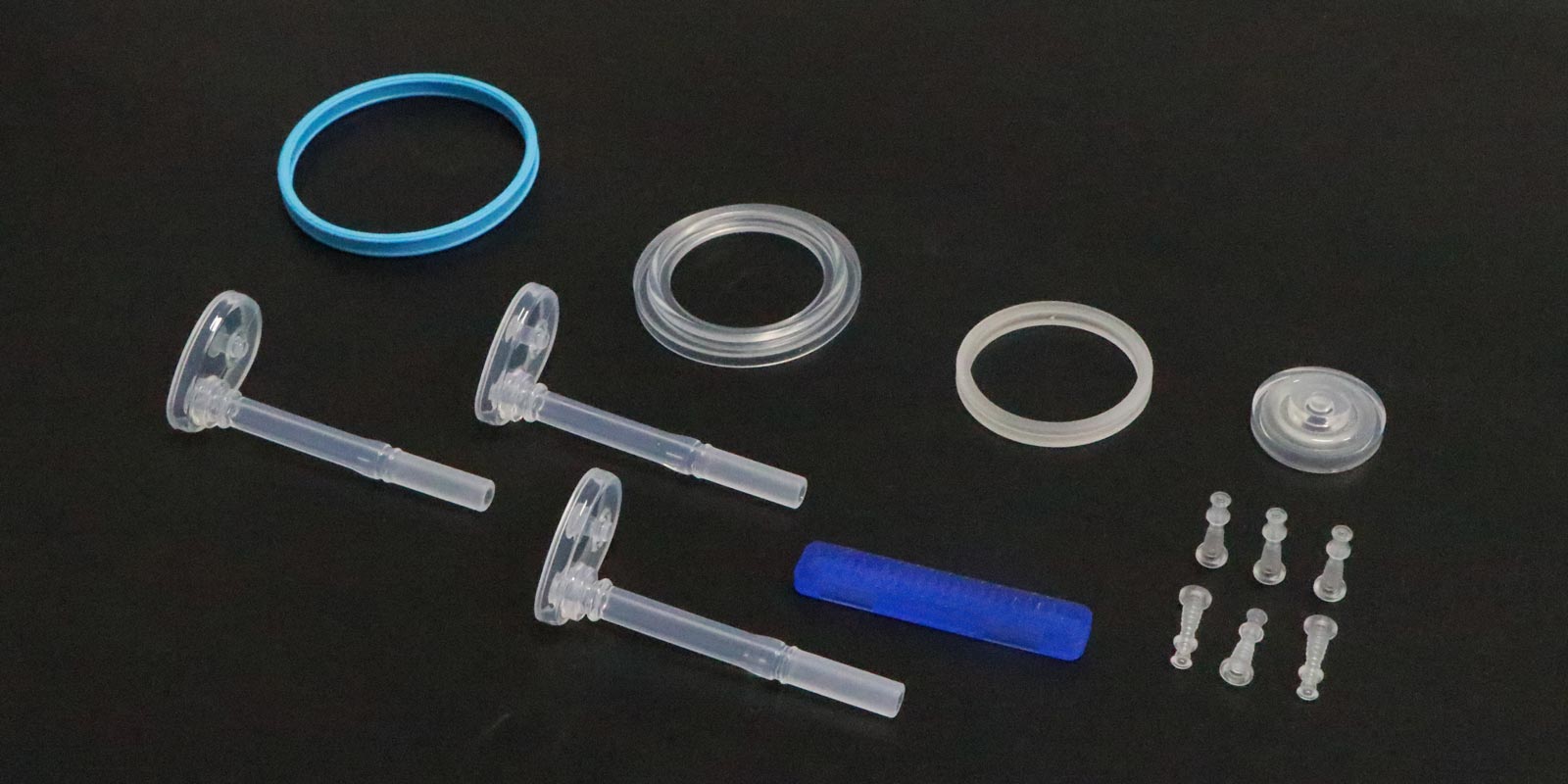



As global airway management technology continues to advance, demand for medical laryngoscopes is growing steadily. In clinical settings such as emergency departments, anesthesia units, and ICUs, video laryngoscopes have gradually replaced traditional direct laryngoscopes, becoming core tools for airway management. Behind this trend, precision injection molding is becoming the key determinant of product quality. Medical laryngoscopes require high optical clarity, chemical corrosion resistance, and ease of disinfection, all of which depend directly on the precision of plastic mold machining and injection molding process levels.
The industry currently uses medical-grade PC, PC+ABS, COC cycloolefin copolymer, and specialty engineering plastics to balance optical clarity with structural strength, ensuring lightweight design while meeting biocompatibility requirements. Achieving complex product structures such as endoscope channels, snap-fit lens retention, and anti-slip grip textures, while meeting medical-grade surface finish and assembly precision, relies heavily on the following technical stages:
Accurate upfront mold runner analysis, cooling analysis, and stress simulation to ensure dimensional consistency at the lens mounting area.
High-precision mold machining to ensure the mirror contact surfaces and housing structures fit perfectly, preventing light leakage or assembly looseness.
Stable control of injection molding parameters to avoid defects such as sink marks, warpage, and weld lines that affect optical performance.
Facing the demand for technical integration, single-link manufacturers are increasingly unable to meet the dual requirements of quality and compliance in the medical device industry. Leading companies are building competitive advantages through vertical integration of the supply chain. An integrated model covering mold R&D, precision injection molding, optical component integration, and final assembly not only shortens product development cycles but also significantly improves quality control precision. The full-industry-chain model has become the key to breaking through.
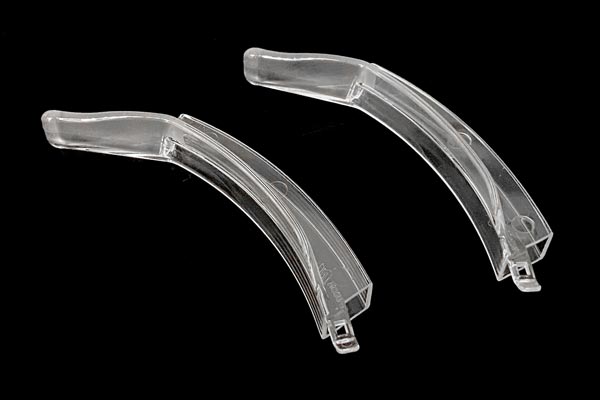
Take enterprises with full-chain capabilities as an example. Through professional teams and comprehensive layout, they seamlessly connect mold design, precision injection molding, optical debugging, and final product testing, enabling one-stop finished product delivery. This model is especially suited for high-customization scenarios: clients can participate in front-end design optimization, leveraging DFM (Design for Manufacturability) analysis to refine product plans simultaneously, ultimately achieving efficient conversion from drawing to mass production.
How does injection molding empower medical-grade quality in laryngoscope products?
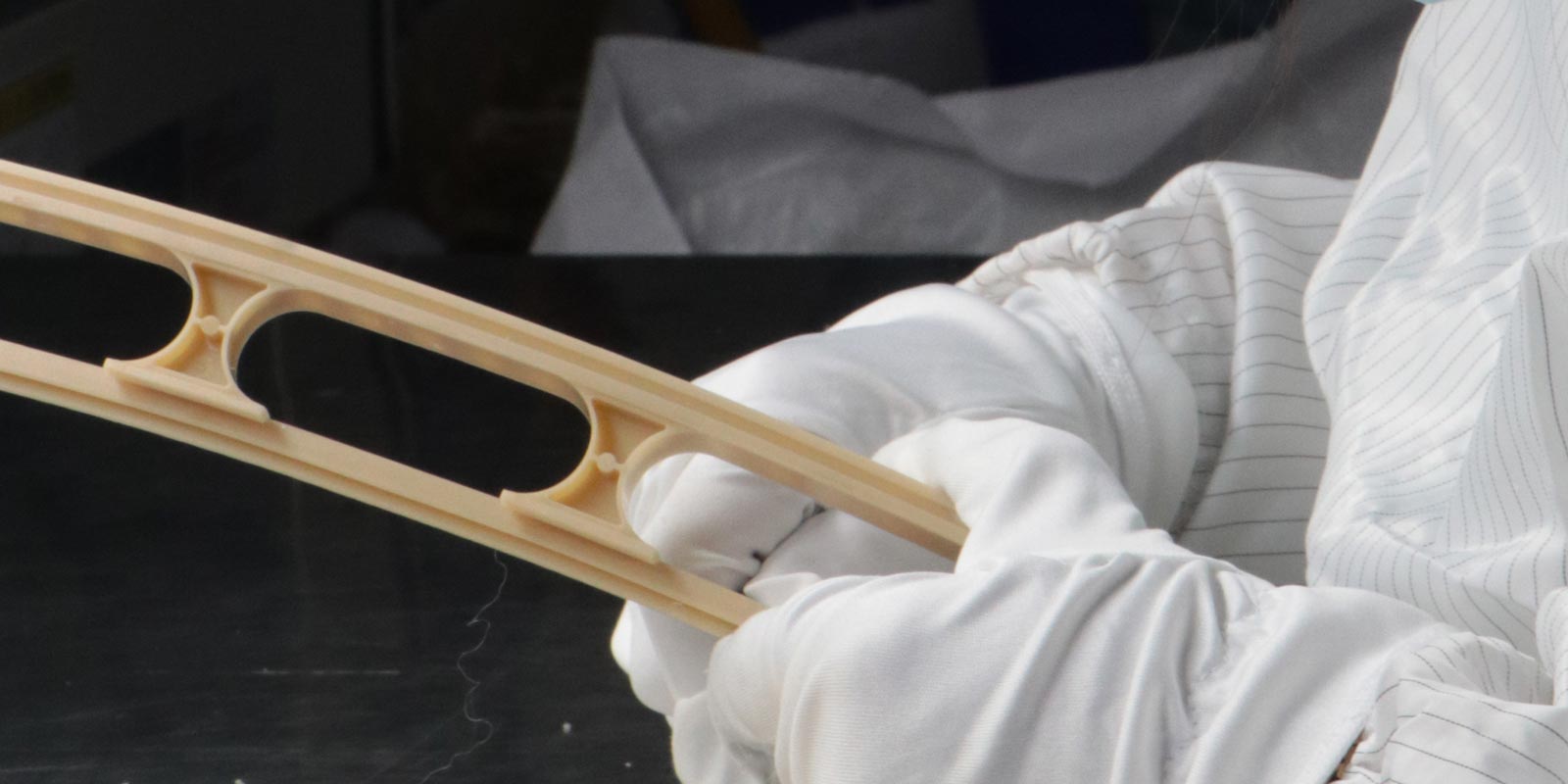
In laryngoscope manufacturing, the plastic housing injection molding stage directly determines product reliability. By optimizing mold steel and polishing grades, the laryngoscope body surface finish is improved, reducing bacterial adhesion risk. During the injection stage, sealing structures and anti-slip textures are molded in one step, avoiding subsequent assembly errors. These processes require deep synergy between precision molds and injection molding equipment, supported by years of accumulated medical injection molding process databases.
FAQ
Q: What special requirements do laryngoscope molds have on materials?
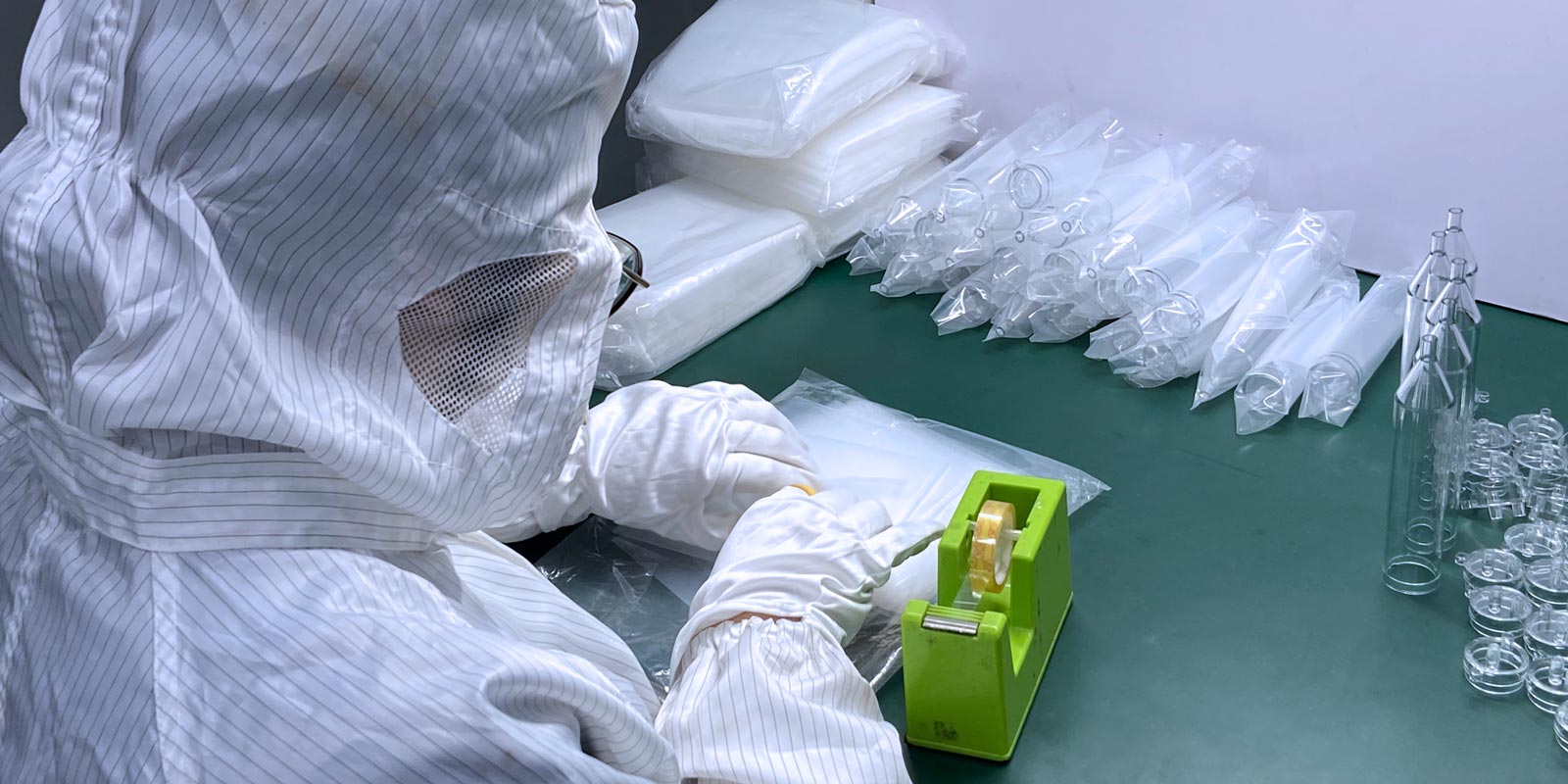
A: Laryngoscope molds must be compatible with medical-grade materials such as PC and COC. They require higher corrosion resistance and polishing performance from mold steel, and must maintain dimensional stability in cleanroom production environments.
Q: How does precision injection molding ensure the optical performance of laryngoscopes is not affected?
A: The key lies in controlling stress and temperature during the injection process to prevent deformation or weld lines at the lens mounting area. Meanwhile, the mold cavity surface must reach a high polishing grade to ensure no optical interference along the light transmission path.
Q: What practical value does the full-industry-chain model offer to medical device manufacturers?
A: The integrated model can shorten product development cycles by over thirty percent, while DFM front-end optimization reduces mold trial iterations, significantly lowering the comprehensive cost and compliance risk from design to mass production for medical products.
PREV:Why Do Medical Injection-Molded Parts Keep Failing? A Comprehensive Guide
NEXT:What Causes Shrinkage in Medical Injection Molded Parts?
Add: 62 Jinghai East Road, Chang'an Town, Dongguan City, Guangdong Province
Whatsapp: +86 13342659272
Email: Yuliya.chen@yizemould.com

Add: 62 Jinghai East Road, Chang'an Town, Dongguan City, Guangdong Province
Whatsapp: +86 13342659272
Email: Yuliya.chen@yizemould.com
 Home
Home