

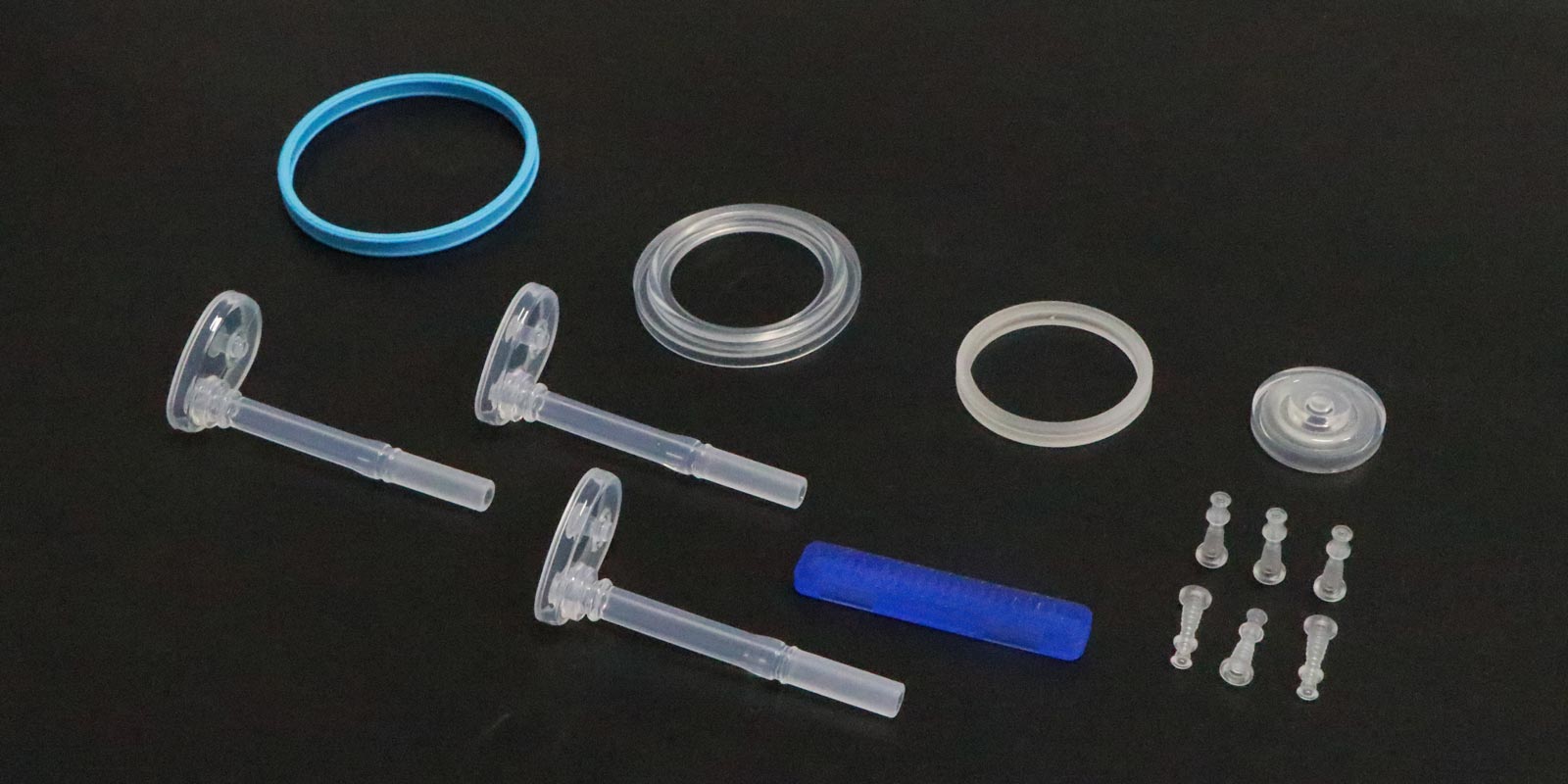



Take the same medical device housing — Factory A gives you a quote of 8,000 yuan in three days, while Factory B takes two weeks to deliver a proposal at 50,000 yuan. You assume the fast one is more efficient and the cheap one is a better deal? The truth is far more complicated.
Medical product mold opening and injection molding quotation is never a simple arithmetic problem. It is a battlefield where materials science, precision machining, medical regulations, and commercial strategy intersect. The speed and accuracy of a quotation hide completely different logic behind the scenes.
Many procurement teams complain that suppliers are slow to quote, yet they never reflect on how vague their own requirements are. The speed of a medical product quotation essentially depends on the granularity of the demand.
If you simply say "make a medical housing, ABS material, quote ASAP," the supplier can only estimate under the most conservative assumptions — defaulting to standard P20 steel, single-cavity structure, and conventional polishing. This kind of quotation is naturally fast, ready in three days, but its accuracy is extremely low. Late-stage mold modification costs could easily exceed the savings you thought you made.
On the other hand, if you provide complete 3D drawings, a clear production plan (5,000 units per month or 500,000 units), precision requirements (±0.1mm or ±0.02mm), sterilization method, whether transparency or optical effects are needed, and whether the color requires medical-grade masterbatch, the supplier can quickly lock in the steel grade, cavity count, and processing technology. The quotation becomes both faster and more accurate.
Practical experience in the Shenzhen area shows that clients who prepare complete 3D drawings, production plans, and appearance requirements in advance shorten their quotation cycle by an average of three to five days compared to those with incomplete information.
So, a slow quotation does not necessarily mean low efficiency — it may mean your requirements are not yet clear enough. A fast quotation does not necessarily mean strong capability — it may mean they are padding the number with the loosest assumptions.
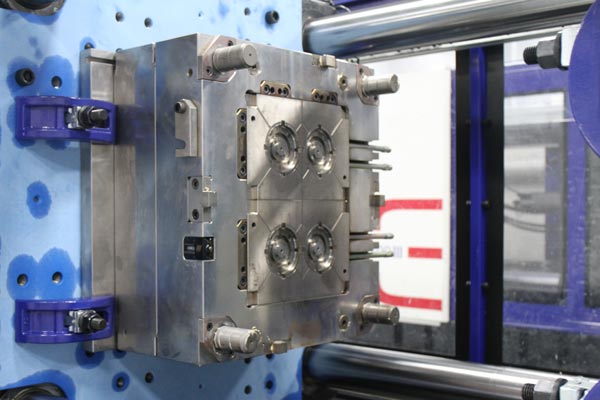
An ordinary consumer product mold can cost 5,000 to 20,000 yuan, but a medical product mold starts at 80,000 yuan and can reach several hundred thousand. This is not the supplier inflating prices — it is the special thresholds of the medical industry stacking costs layer by layer.
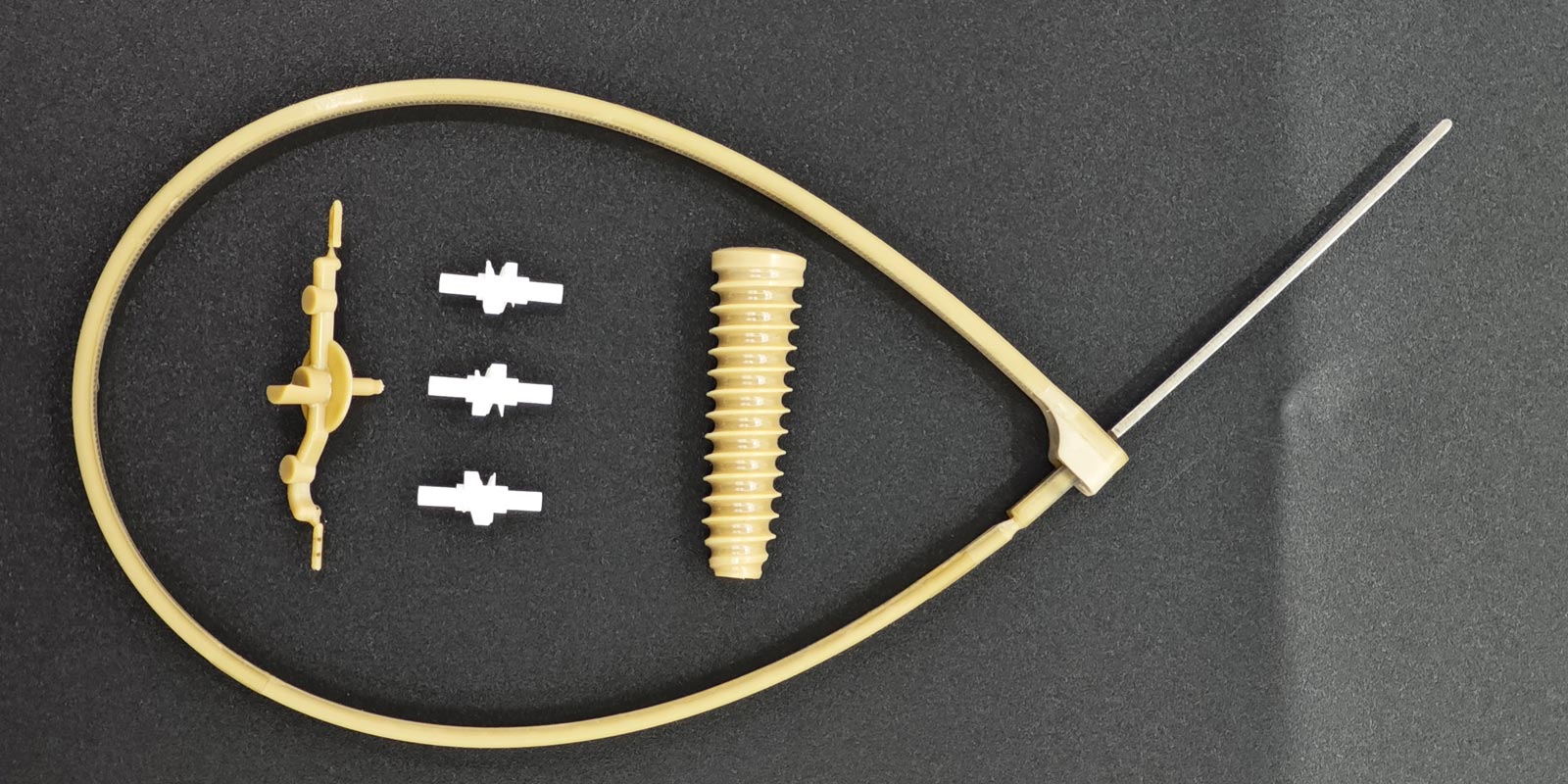
The first layer is materials. Medical products commonly use PC, POM, and glass-fiber-reinforced engineering plastics, all of which accelerate mold wear. This requires high-hardness mold steels such as H13 or S136. Domestic P20 steel costs only 8 to 12 yuan per kilogram, while premium S136 stainless steel runs 25 to 45 yuan per kilogram — a three to five times difference. More critically, the procurement cost of medical-grade plastics alone is two to five times that of general-purpose plastics. Every item — modification, high-temperature resistance, medical-grade raw materials — pushes the baseline higher.
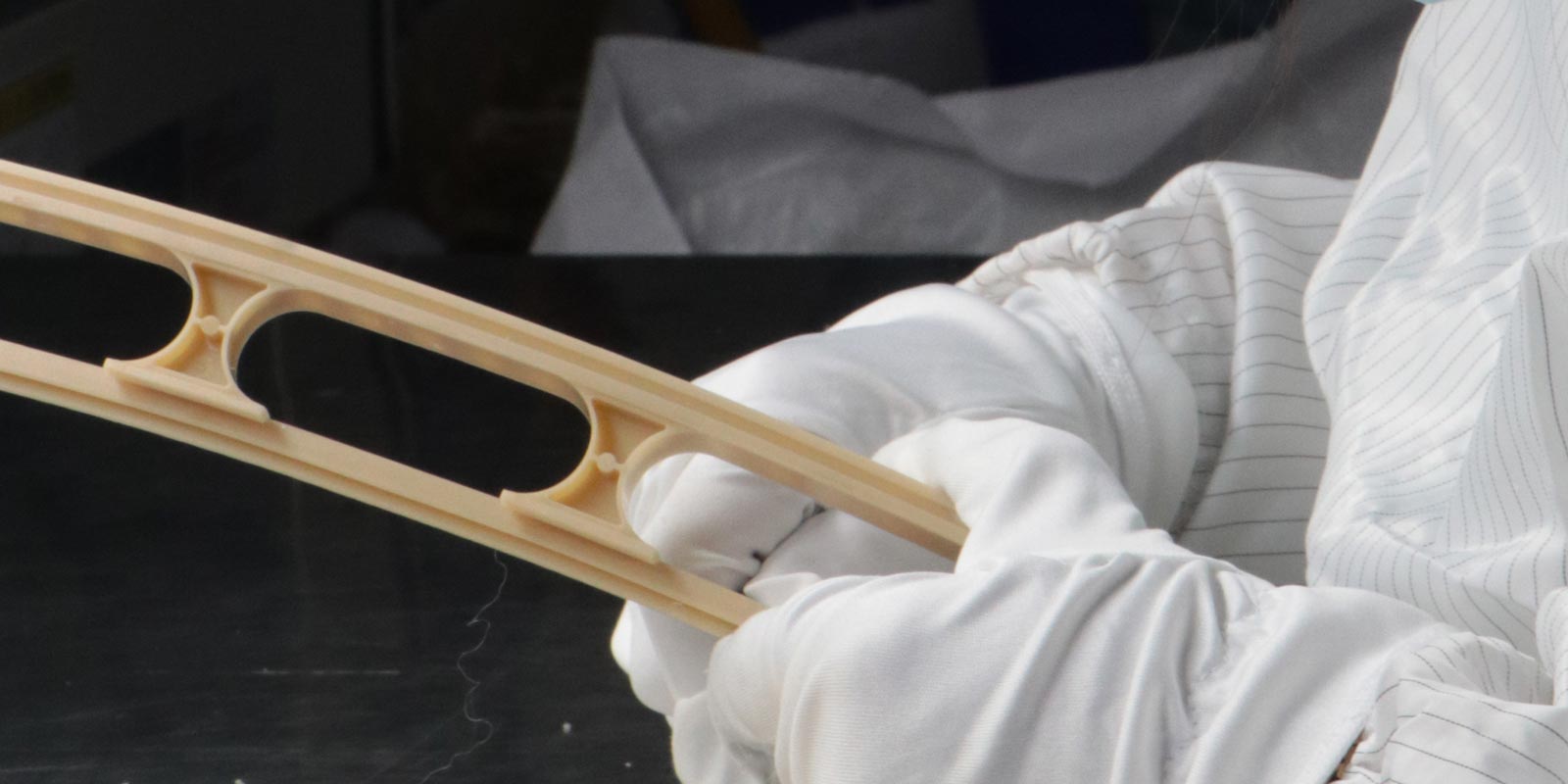
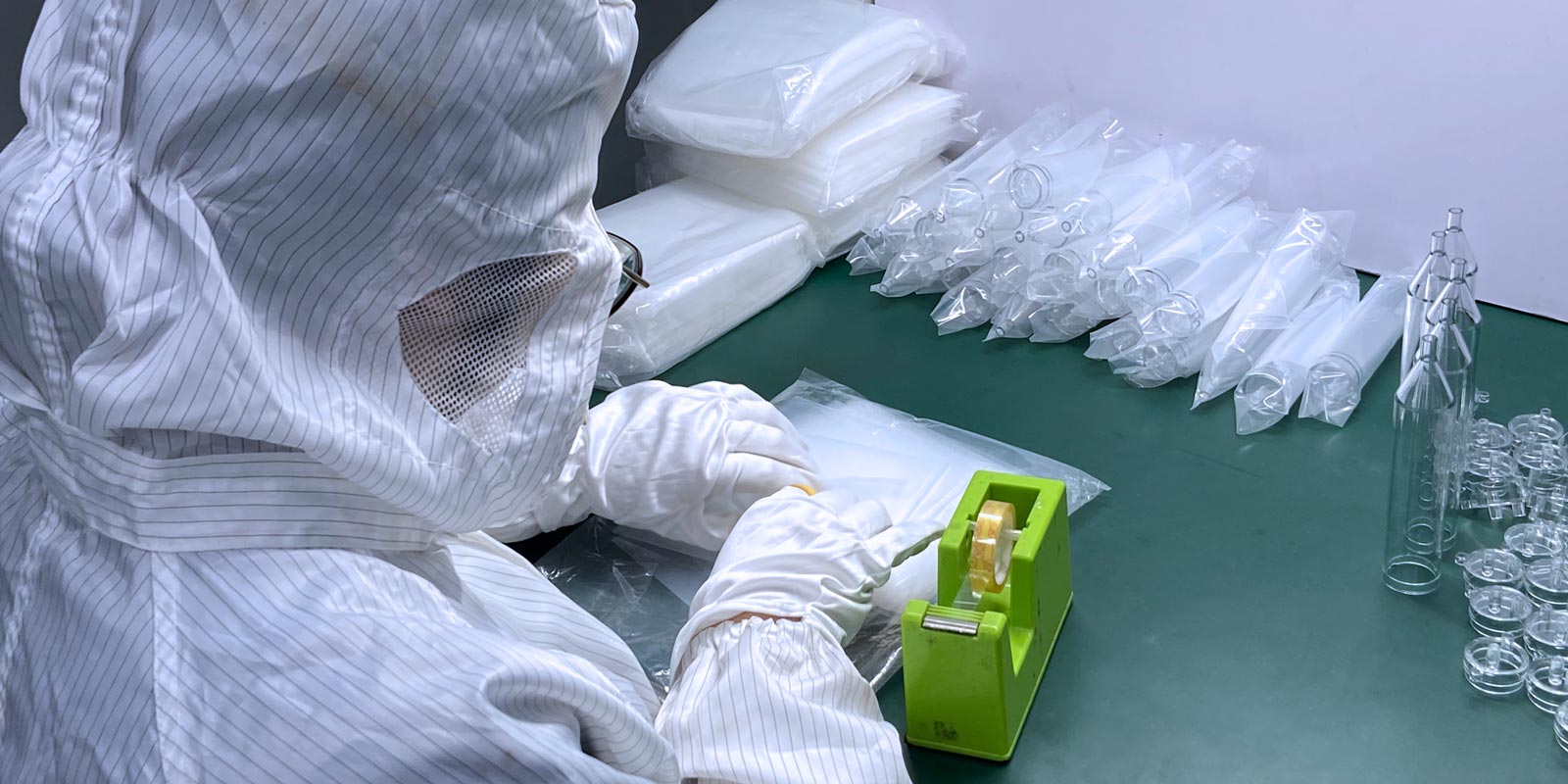
The second layer is environment. Medical products must be produced in cleanroom facilities, and raw materials must pass testing to meet biocompatibility certification. These additional production environment and quality inspection costs all appear on the quotation sheet. The quotation from an ordinary injection molding factory and a medical-grade injection molding factory are not even on the same playing field.
The third layer is precision. Medical devices often require dimensional tolerances of ±0.05mm or even ±0.01mm, which is one order of magnitude stricter than the ±0.1mm typical for consumer products. This means the mold must be machined using wire EDM, five-axis machining centers, mirror-finish EDM, and other high-end equipment. A single machining operation can cost 30 to 50 percent more.
The fourth layer is lifespan. A mold using standard P20 steel with a 10,000-shot lifespan for small-batch trial production, versus a mold using H13 steel with a 500,000-shot lifespan for mass production, may have an initial cost difference of three times. But when amortized per unit, the more expensive option is actually cheaper in the long run.
In the market, the same product can be quoted at 10,000 yuan or 100,000 yuan for mold opening. What is the difference?
A 10,000-yuan mold typically uses 45-grade carbon steel with a hardness no higher than 30HRC. After producing 10,000 to 50,000 units, it begins to deform, requiring two to three machine stoppages per week for repair. A 100,000-yuan mold uses H13 or S136 steel, quenched to a hardness of 45HRC or above, stably producing 500,000 to 1,000,000 units with no more than one repair per month.
To judge whether a quotation is accurate, focus on three core points:
First, check whether the quotation includes itemized details. A legitimate quotation should clearly list mold design fees, steel material costs, CNC and EDM machining fees, mold assembly fees, trial run fees, and hot runner system fees. If only a lump sum is given, there is a high probability that hidden charges are buried in trial run fees and mold modification fees.
Second, verify against industry ranges. According to 2026 market conditions: simple small medical molds typically quote between 50,000 and 150,000 yuan, medium-complexity molds between 150,000 and 400,000 yuan, and high-precision or large medical molds require 400,000 yuan or more. If a quotation is more than 30 percent below the industry average, be alert to cost-cutting — they may have skipped heat treatment, or substituted non-standard parts for imported standard components.
Third, check whether the manufacturer has similar case experience. A manufacturer with medical mold production experience will produce a quotation that more closely matches reality. It is recommended to prioritize suppliers who can provide processing cases and samples of the same product type, and verify their capability with actual evidence.
Do not measure medical product quotations with the mindset of ordinary injection molding. What you need to do is: First, provide precise information, including medical device classification (Class I, II, or III), the body part in contact with the human body, sterilization method, annual usage volume, and growth trends. Second, establish a unified evaluation benchmark so that all suppliers quote based on the same steel grade, cavity count, precision requirements, and surface treatment standards. Third, make decisions based on long-term costs rather than initial price. A 10,000-yuan mold is a short-term trial tool; a 100,000-yuan mold is a long-term profit partner. Matching your actual needs is the real way to save money.
If you have medical product mold opening needs in Dongguan or the surrounding area, it is recommended to conduct an on-site inspection of the supplier's cleanroom and testing equipment. At the same time, clarify the mold delivery schedule (typically 15 to 45 days) and warranty period (recommended no less than six months), sign a formal contract, and agree on penalty clauses for late delivery and quality issues.
Q: What costs are typically included in a medical injection molding mold quotation?
A: A standard quotation usually includes mold design, steel procurement, CNC and EDM machining, mold assembly and debugging, one to two trial runs, and basic mold modification. Additional trial runs beyond the agreed number, special surface treatments, and hot runner systems are typically charged separately. Always request an itemized breakdown before signing.
Q: Is it worth opening a mold for small-batch medical products?
A: For small-batch trial production under 5,000 units per month, using P20 economical steel with a single-cavity structure keeps mold costs typically between 5,000 and 15,000 yuan, which is suitable for verifying design feasibility. However, if there are plans for mass production later, it is recommended to use premium steel from the start to avoid the sunk cost of re-opening molds.
Q: How do I tell if a supplier's quotation is inflated?
A: Ask all suppliers to quote under the same standards, then compare itemized details such as mold core material, standard parts brands, and whether mold flow analysis is included. A quotation more than 30 percent below the industry average is highly likely to recover costs later through trial run fees and mold modification fees, resulting in higher total expenditure.
PREV:Why Do Medical Injection-Molded Parts Keep Failing? A Comprehensive Guide
NEXT:Technical Discussion on Mold Opening and Injection Molding for Medical Surgical Instruments
Add: 62 Jinghai East Road, Chang'an Town, Dongguan City, Guangdong Province
Whatsapp: +86 13342659272
Email: Yuliya.chen@yizemould.com

Add: 62 Jinghai East Road, Chang'an Town, Dongguan City, Guangdong Province
Whatsapp: +86 13342659272
Email: Yuliya.chen@yizemould.com
 Home
Home