

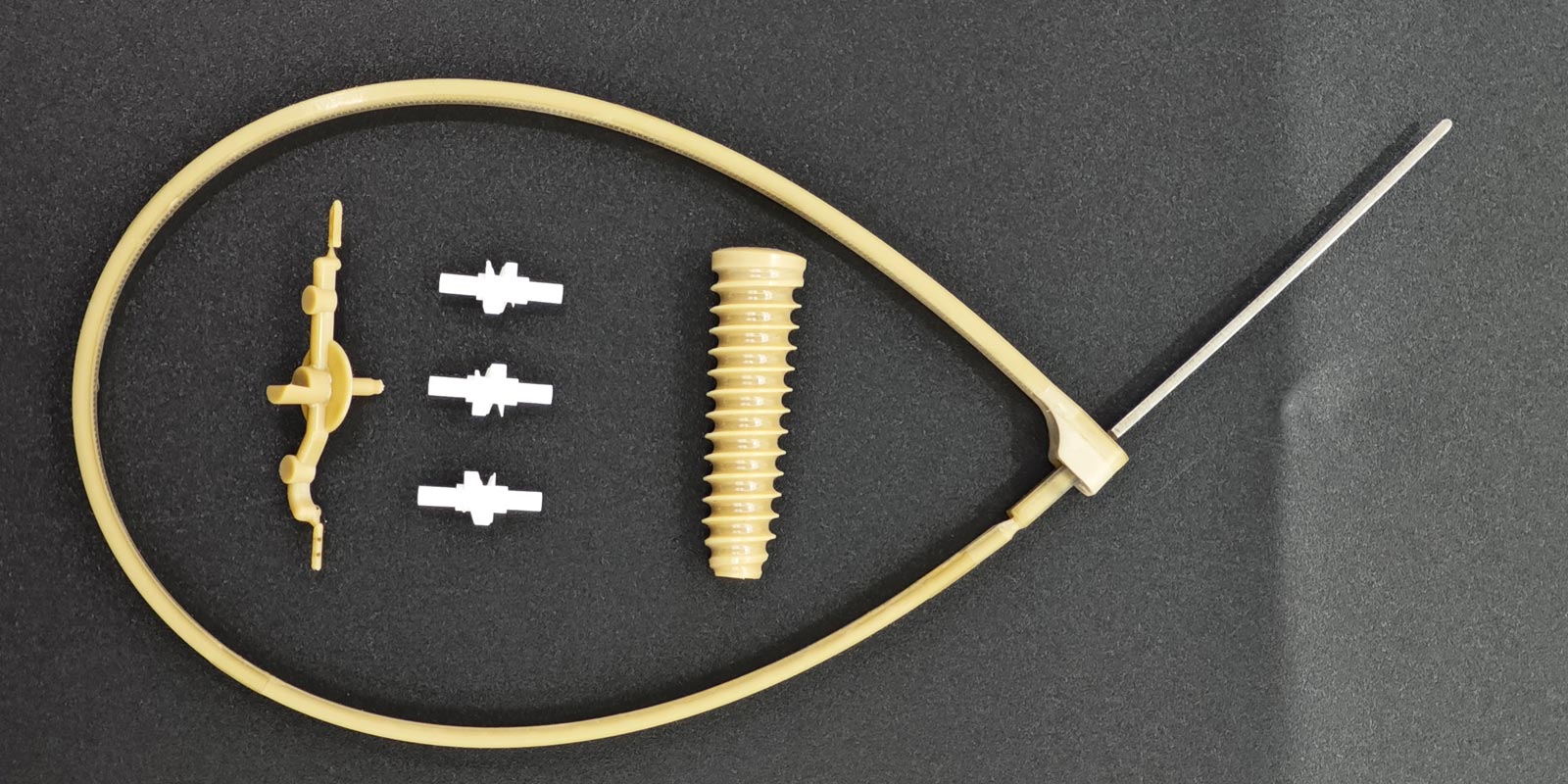
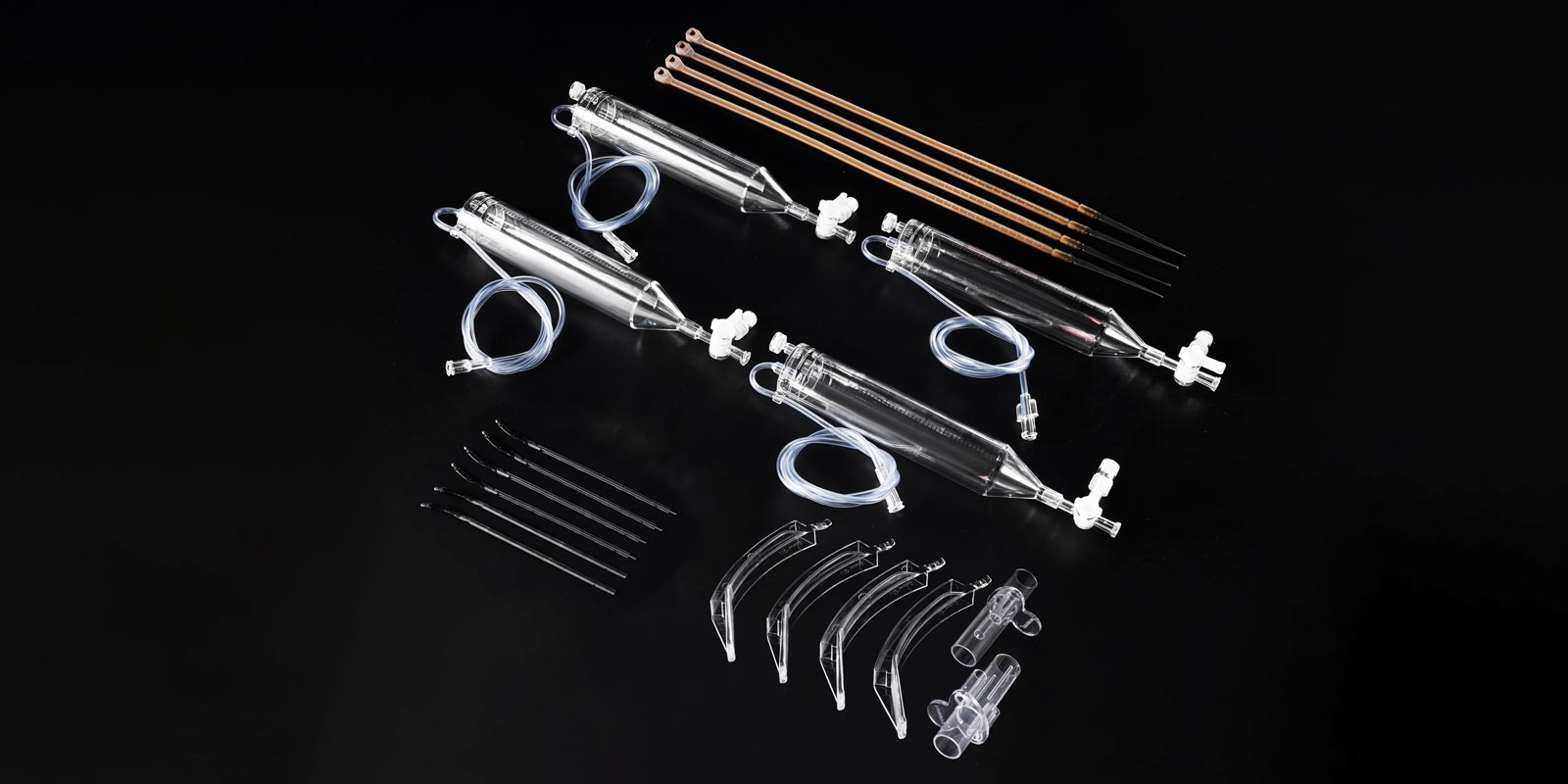
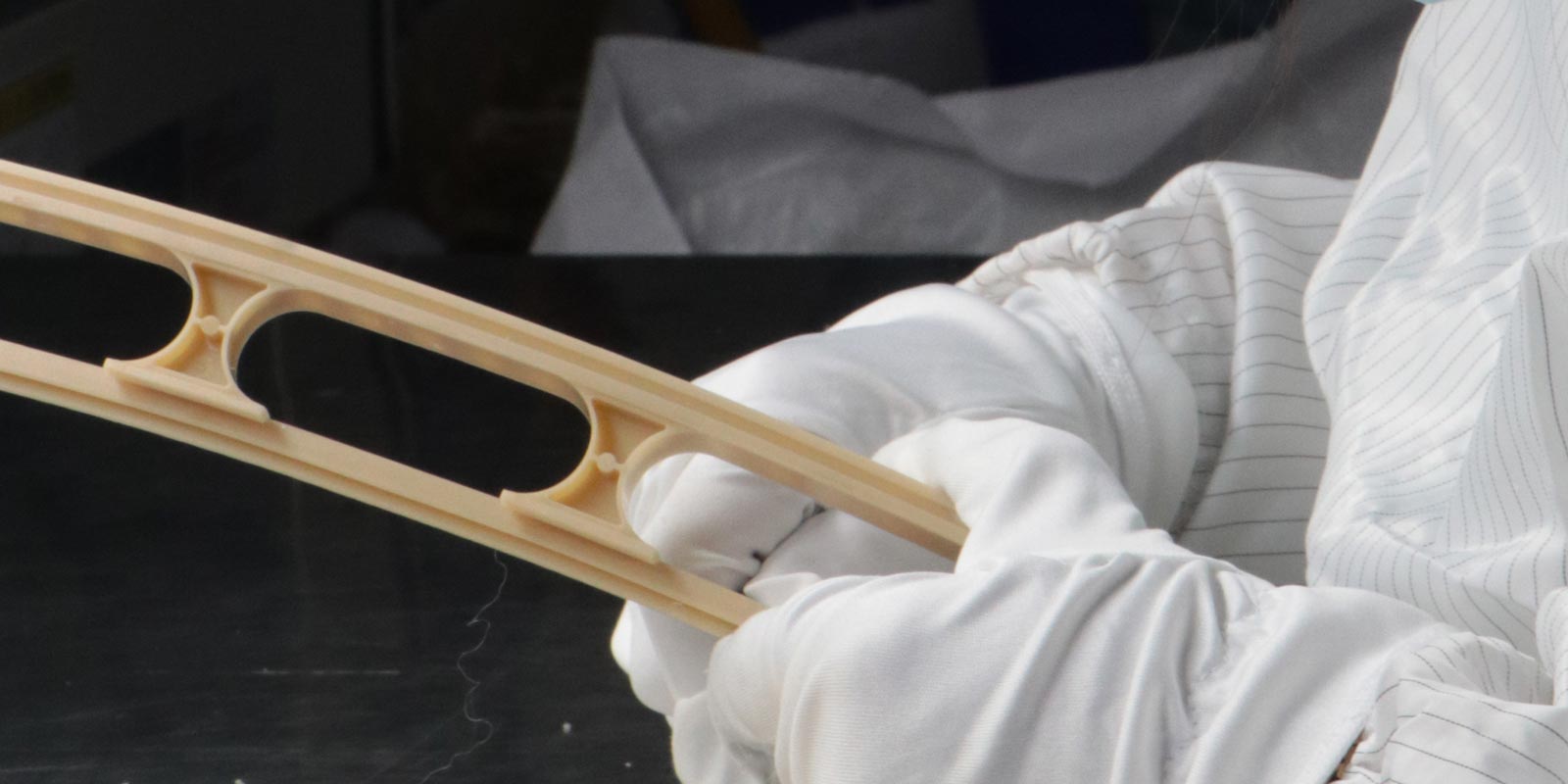
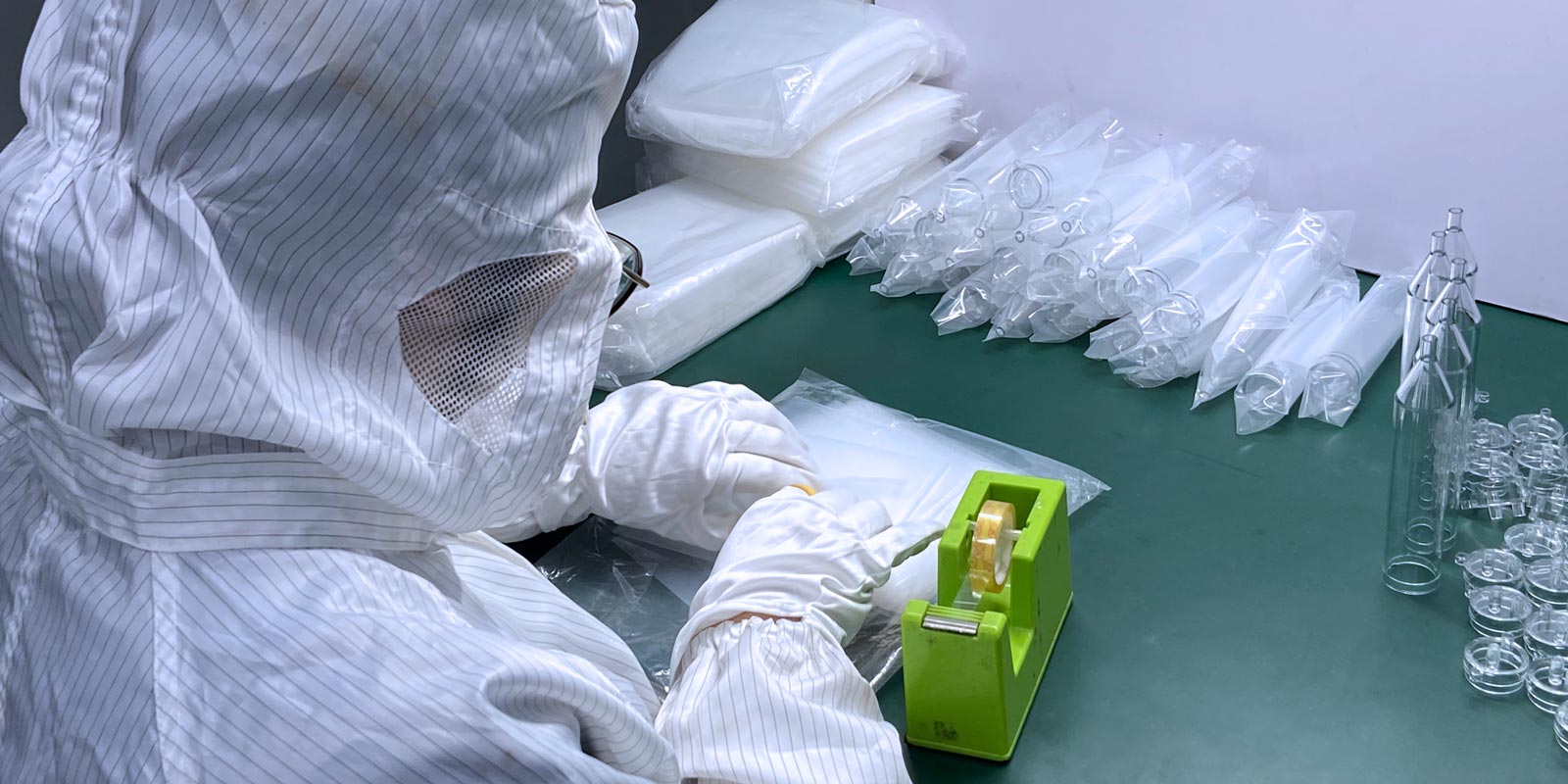
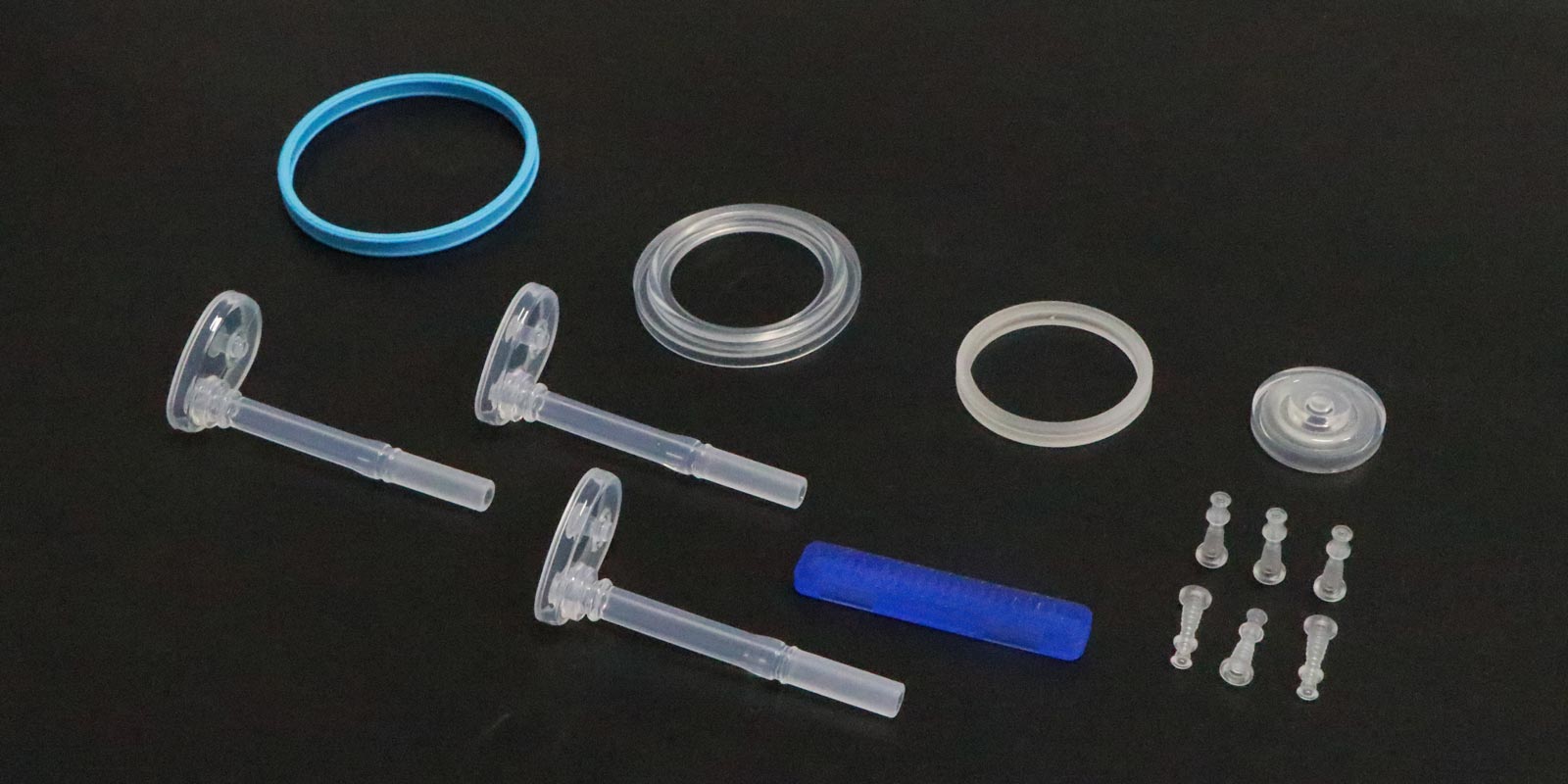



In the field of medical device manufacturing, injection molding is a core process for producing high-precision, high-performance components. As the global medical market demands higher product quality, production efficiency, and customization, traditional injection molding workshops struggle to meet industry requirements. The deep integration of intelligent manufacturing technologies is becoming a key driver for upgrading medical injection molding, reshaping production paradigms through automation, digitization, networking, and intelligence.
1.1 Automation Equipment Upgrades: From "Manual Operation" to "Unmanned Production"
Traditional medical injection molding workshops rely on manual labor for tasks such as material loading, mold changing, and quality inspection, leading to low efficiency and inconsistencies due to human error. Intelligent manufacturing introduces high-precision servo-driven injection molding machines, multi-axis robotic arms, and intelligent vision inspection systems, enabling full automation of production processes. For example, a medical component manufacturer in Taizhou deployed a centralized material supply system that precisely delivers medical-grade plastic pellets to injection molding machines via closed pipelines. Integrated with PLC and MES systems, it achieves automatic raw material formula switching and hard error prevention, eliminating the risk of manual material misloading.
1.2 Digital Management: From "Experience-Driven" to "Data-Driven Decision-Making"
Medical injection molding is highly sensitive to process parameters, with minor fluctuations in temperature, pressure, or cooling time affecting product performance. Intelligent manufacturing deploys Industrial Internet of Things (IIoT) sensors to collect real-time data from injection molding machines, molds, and the environment, constructing digital twin models. For instance, the centralized material supply system in Taizhou records every material delivery transaction—including material code, quantity, target machine, and timestamp—automatically feeding this data into the digital twin system to create a complete traceability chain from raw materials to finished products. This transparency not only meets regulatory audit requirements (e.g., FDA, CE) but also provides a basis for process optimization. By analyzing historical data, enterprises can precisely adjust parameters like injection speed and holding pressure, reducing product defect rates from 1.2% to 0.3%.
1.3 Networked Collaboration: From "Isolated Production" to "Full-Chain Integration"
Medical injection molding involves multiple stages, including raw material supply, mold design, injection molding, post-processing, and quality inspection. Traditional siloed operations result in long production cycles and slow response times. Intelligent manufacturing builds industrial internet platforms to enable real-time collaboration across supply chains, production chains, and logistics chains. For example, Xinmao Injection Molding Processing Factory collaborates closely with medical institutions to directly convert customer demands into production orders, using MES systems for automated scheduling and reducing product development cycles by 40%. Meanwhile, AGV robots and automated warehouses streamline raw material and finished product handling, improving inventory turnover by 25%.
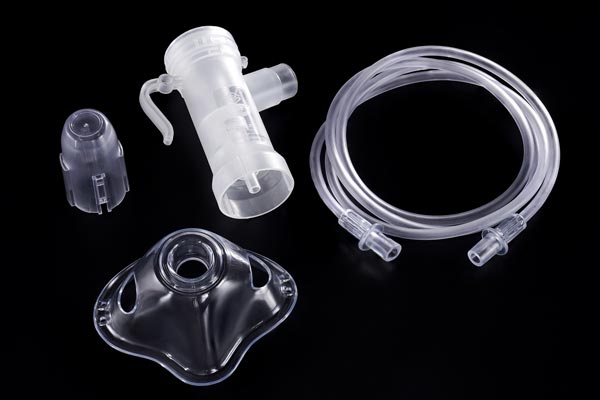
2.1 Quality Stability: From "Manual Control" to "Intelligent Closed-Loop Systems"
Medical injection molding products must comply with ISO 13485 quality management and ISO 10993 biocompatibility standards, demanding exceptional stability. Intelligent manufacturing constructs intelligent closed-loop control systems for real-time process monitoring and dynamic adjustments. For example, a smart injection molding machine equipped with pressure and temperature sensors monitors melt flow status. When pressure fluctuations exceed thresholds, the system automatically adjusts injection speed to maintain dimensional accuracy within ±0.02mm. Combined with AI vision inspection, sub-millimeter surface defect detection achieves a 99.9% defect detection rate, 50% higher than manual inspection.
2.2 Flexible Production: From "Mass Single-Product" to "Small-Batch, Multi-Variety"
The growing demand for customized medical products challenges traditional injection molding workshops, which rely on time-consuming mold changes. Intelligent manufacturing enables flexible production through modular design and quick mold-changing technologies. For instance, Xinmao’s "one-machine, multi-mold" approach uses robotic arms for automatic mold swaps, reducing changeover time from 4 hours to 20 minutes and supporting simultaneous production of five product types (e.g., orthopedic devices, infusion connectors) on the same line. Its MES system dynamically adjusts production sequences based on order priority, ensuring timely delivery of urgent orders and boosting customer satisfaction by 30%.
2.3 Cost Control: From "Extensive Management" to "Lean Operations"
Raw materials account for over 60% of medical injection molding costs, with traditional methods suffering from material waste and high energy consumption. Intelligent manufacturing optimizes processes and resource allocation for lean cost management. For example, Taizhou’s centralized material supply system reduces energy consumption by 35% through centralized drying versus individual machine drying, while pipeline delivery minimizes material spillage, improving utilization by 8%. Additionally, its energy management system monitors real-time power usage of injection molding machines and dryers, using AI algorithms to optimize equipment scheduling and saving over ¥200,000 in annual electricity costs per line.
With advancements in 5G, digital twins, and edge computing, medical injection molding is accelerating toward "full-process intelligence." Future smart factories will achieve three breakthroughs:
Intelligent manufacturing is reshaping medical injection molding through "technology + management" dual-wheel driving. From automation upgrades to digital transformation, and from quality stability to flexible production, it addresses traditional pain points while unlocking opportunities in high-end markets, customization, and sustainability. As technologies evolve, medical injection molding will advance toward an "intelligent, efficient, and sustainable" future, contributing greater value to global healthcare.
PREV:Why Do Medical Injection-Molded Parts Keep Failing? A Comprehensive Guide
NEXT:The Manifestations of the Hygiene and Durability of Plastic Materials in Medical Injection Molding
Add: 62 Jinghai East Road, Chang'an Town, Dongguan City, Guangdong Province
Whatsapp: +86 13342659272
Email: Yuliya.chen@yizemould.com

Add: 62 Jinghai East Road, Chang'an Town, Dongguan City, Guangdong Province
Whatsapp: +86 13342659272
Email: Yuliya.chen@yizemould.com
 Home
Home