

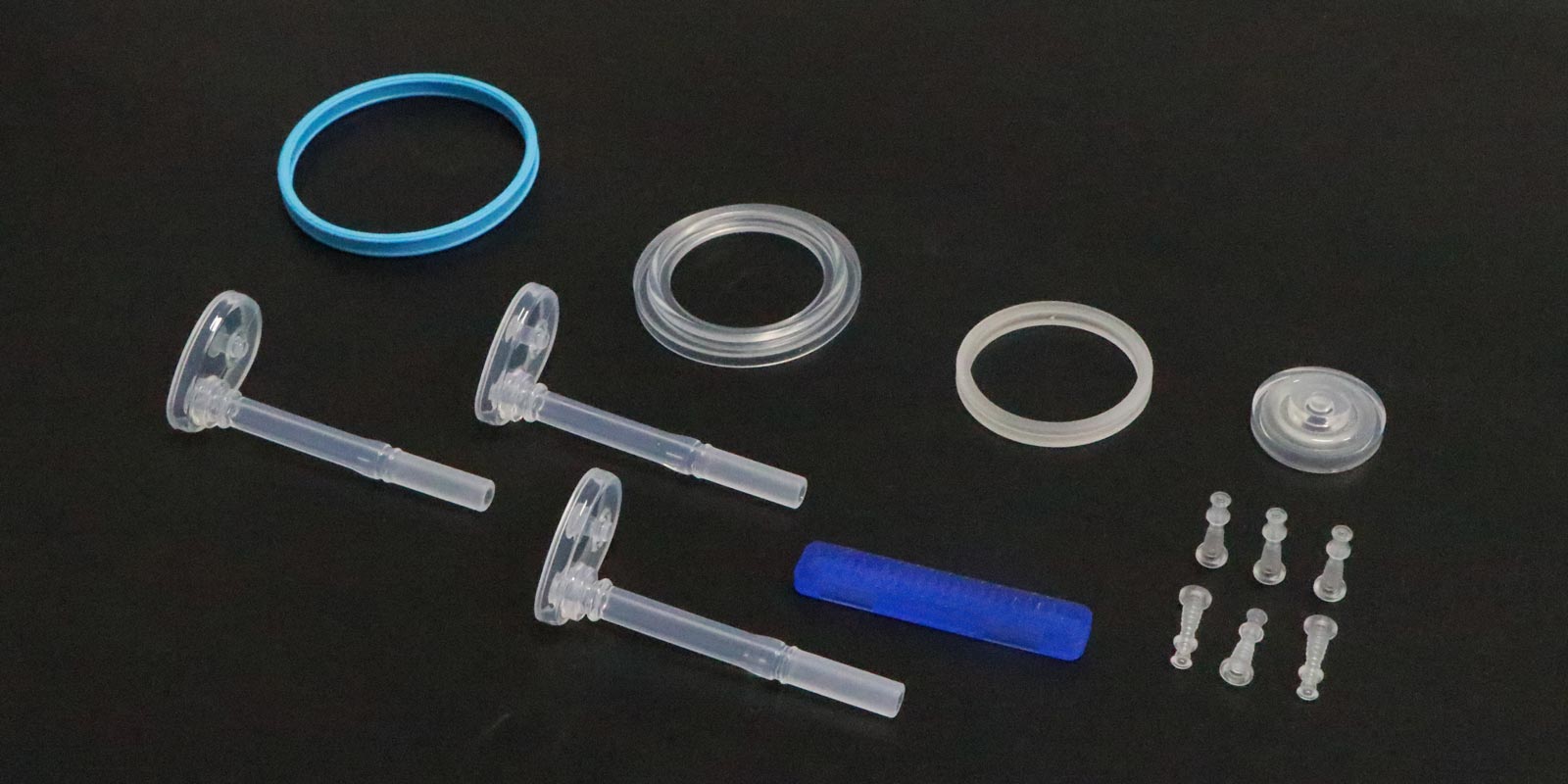



In the era of rapid advancement in medical technology, biocompatible plastics have emerged as the core material in the field of medical injection molding. Their unique properties not only ensure the safety of medical devices but also drive innovative breakthroughs in medical technology. From implantable devices to minimally invasive surgical tools, from in-vitro diagnostic equipment to smart medical wearables, biocompatible plastics are reshaping the modern medical ecosystem with their irreplaceable role.
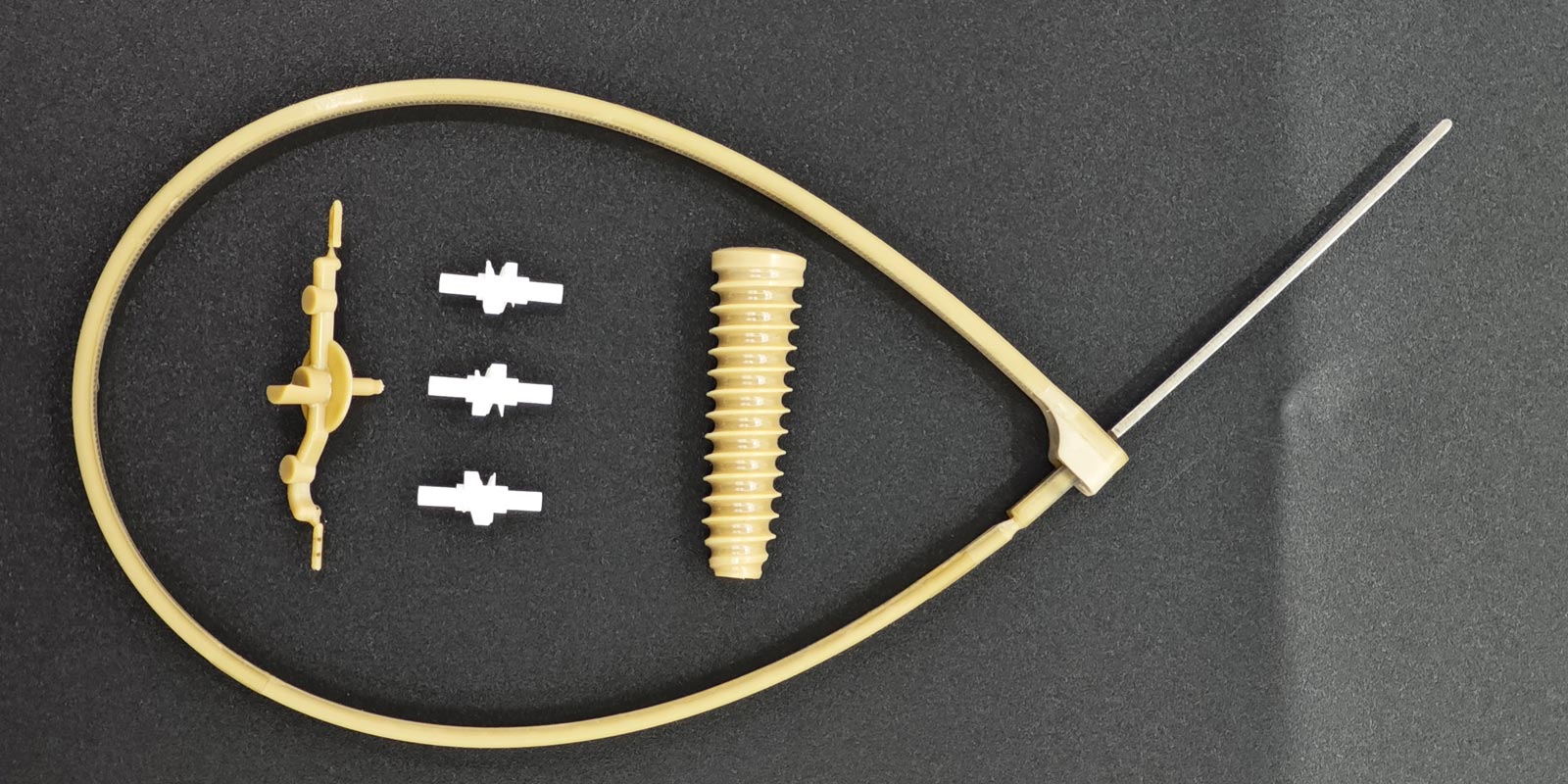
Biocompatibility is a core indicator of materials for medical devices, directly related to the life and health of patients. High-performance plastics such as medical-grade liquid crystal polymers (LCP) and polyetheretherketone (PEEK) undergo rigorous cell toxicity tests, skin irritation tests, and sensitization tests to ensure that they do not trigger immune responses or toxic releases when in contact with human tissues and blood. For example, after surface optimization, LCP materials can mimic the microstructure of the extracellular matrix, promoting cell adhesion and growth, and demonstrating excellent biological activity in tissue engineering scaffolds. PEEK materials, due to their extremely low immunogenicity, are widely used in spinal implants and artificial joints, with an incidence of inflammatory reactions after long-term implantation being less than one-fifth of that of traditional metal materials.
Biocompatibility is also reflected in the anticoagulant properties of materials. In devices that come into direct contact with blood, such as pacemaker leads and intravascular stents, LCP and PEEK can effectively inhibit platelet adhesion and thrombosis formation through surface modification techniques. Studies have shown that after special treatment, the protein adsorption pattern on the surface of LCP materials changes, and the amount of platelet adhesion is reduced by more than 70% compared to traditional materials, significantly improving the safety of devices in the blood environment.
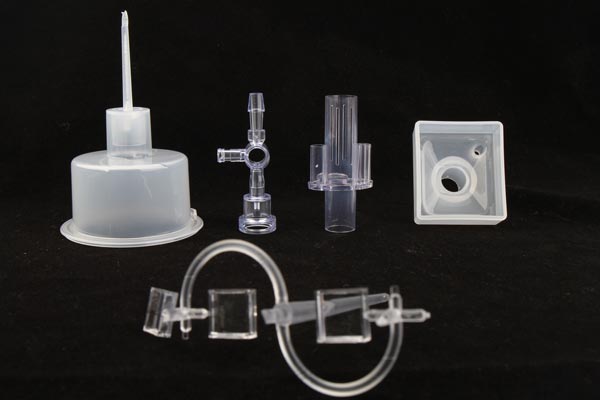
The requirements for material properties in medical injection molding are extremely stringent, and biocompatible plastics, with their diverse physical and chemical properties, have become the ideal choice to meet the needs of different medical scenarios.
High-Temperature Resistance and Chemical Stability
PEEK has a melting point of up to 343°C and can be used for a long time at 250°C. It also has strong resistance to strong acids, strong bases, and organic solvents. This property makes it the first choice for high-temperature sterilization devices and components in chemically corrosive environments, such as medical steam sterilizer parts and automated disinfection machine components. DuPont PBT (polybutylene terephthalate) is widely used in infusion pump housings and pipelines due to its excellent chemical resistance, ensuring the safety of drug delivery.
Mechanical Strength and Lightweight
In the field of orthopedic implants, the strength-to-density ratio of PEEK is close to that of human bone, minimizing "stress shielding" and promoting bone fusion. For example, PEEK interbody fusion cages have a matching degree of up to 90% with the elastic modulus of surrounding bone tissue after implantation, which is 40% higher than that of traditional titanium alloy materials, significantly reducing the risk of postoperative complications. At the same time, the lightweight property of PEEK (density of only 1.3 g/cm³) reduces the burden on patients and improves comfort.
Transparency and Functionality
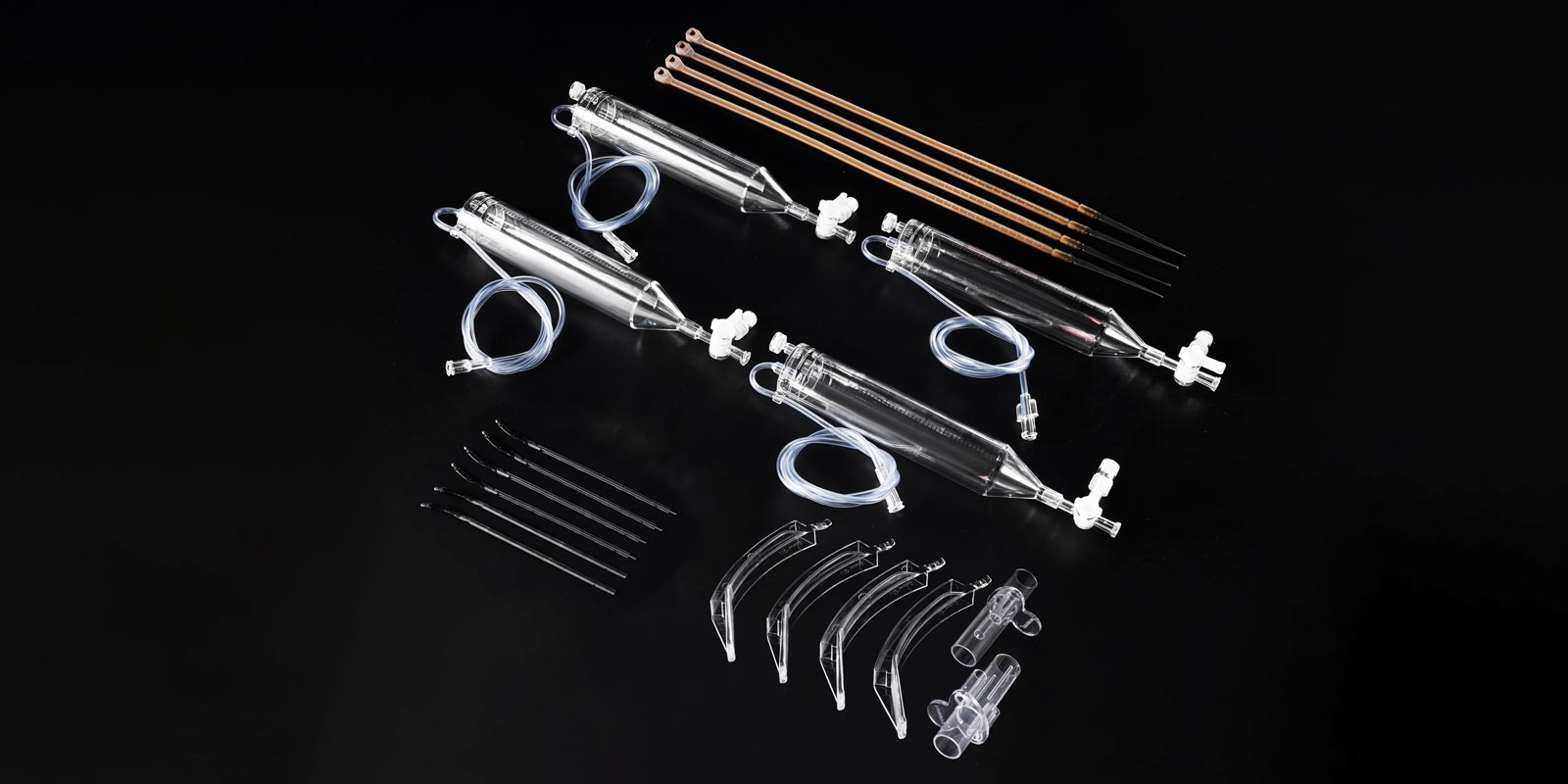
PCTG (polyethylene terephthalate-1,4-cyclohexanedimethanol terephthalate), as a transparent engineering plastic, combines impact resistance and heat resistance and is widely used in inhalers, syringes, and drug delivery devices. Its low leachability reduces the risk of drug contamination and can withstand various disinfectants such as ethanol and ethylene oxide, ensuring the cleanliness and safety of the devices. In addition, the transparency of PCTG allows patients to observe the remaining amount of drugs, improving the user experience.
The performance advantages of biocompatible plastics need to be realized through precision injection molding processes. Medical injection molding technology optimizes parameters such as temperature, pressure, and speed to ensure that the material maintains stable performance during the molding process while meeting the stringent requirements of medical devices for precision and cleanliness.
Micro-injection Molding and Thin-Wall Injection Molding
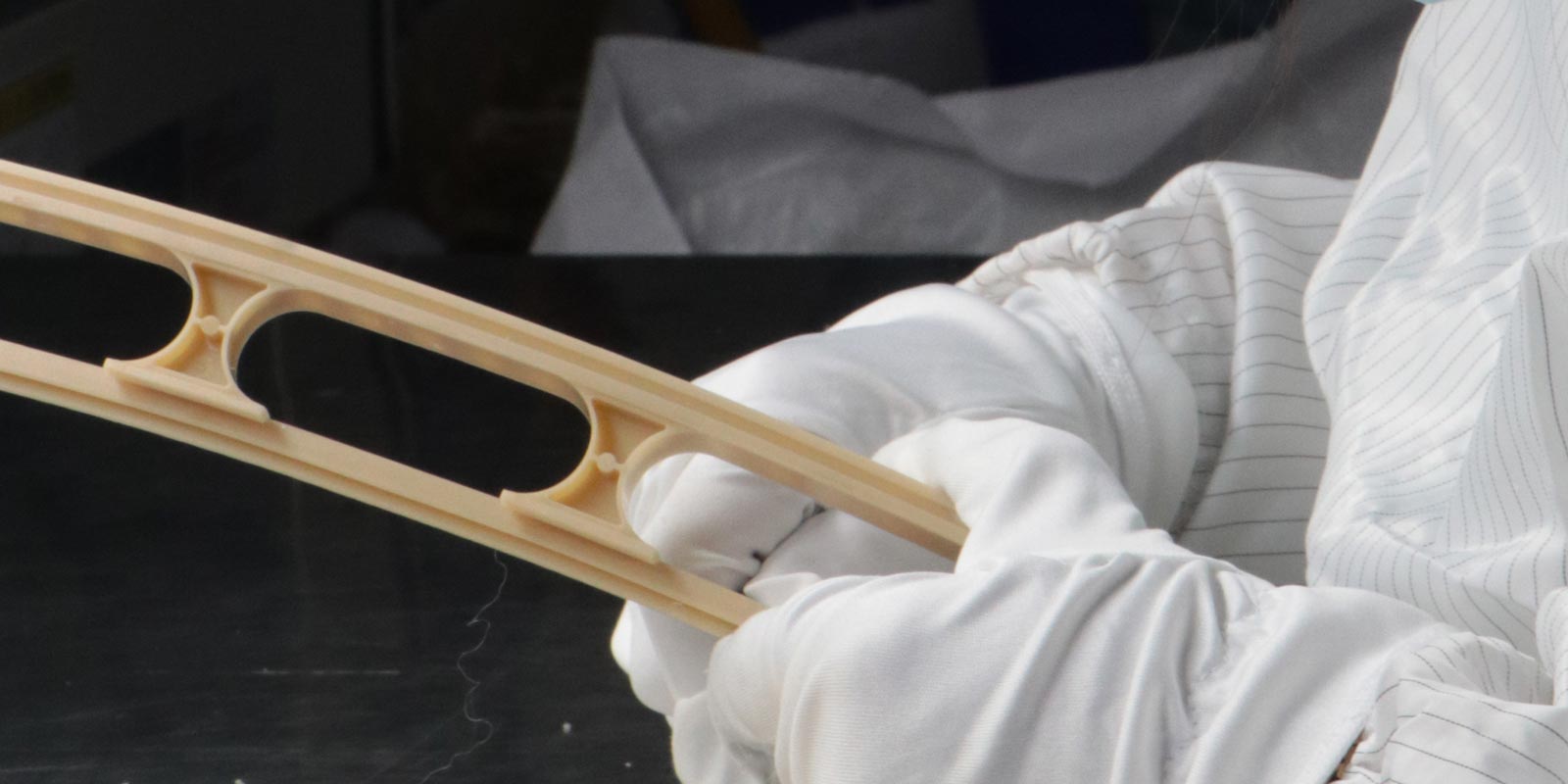
In precision devices such as hearing aids and microfluidic chips, micro-injection molding technology can manufacture micro-components with dimensional accuracy up to ±0.001 mm, ensuring perfect fit of the components. Thin-wall injection molding technology controls the wall thickness to be less than 1 mm, achieving material reduction and lightweighting, suitable for components such as needle hubs and catheter housings. It not only reduces costs but also improves the flexibility of the devices.
Insert Injection Molding and Two-shot Injection Molding
Insert injection molding technology embeds metal pre-inserts into the mold cavity, allowing the molten material to wrap and solidify around them. It is commonly used in precision components such as surgical instrument metal heads, ensuring structural strength and functionality. Two-shot injection molding technology first manufactures the base material and then covers it with a soft plastic to produce multi-material components or improve the grip. It is widely used in the handles of medical devices such as blood glucose meters and pumps, ensuring durability while improving operational comfort.
Cleanroom and Sterilization Adaptation
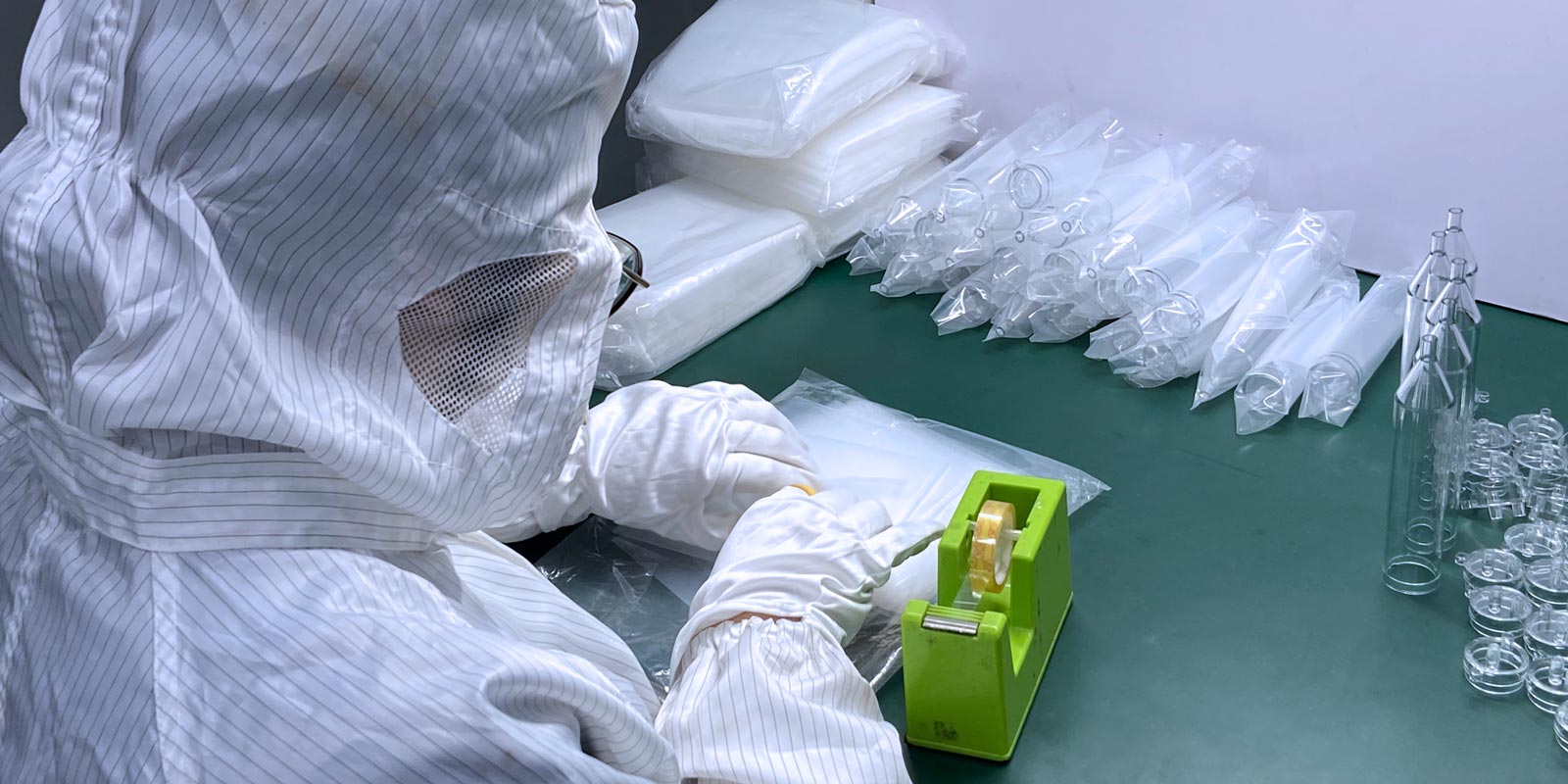
Medical injection molding is usually carried out in ISO 7-8 cleanrooms equipped with HEPA filtration systems and standard dress code requirements to completely eliminate contamination risks. At the same time, the materials need to withstand various sterilization methods such as ethylene oxide, gamma rays, and steam to ensure the aseptic state of the devices. For example, PEEK materials can withstand steam sterilization at 134°C without any impact on their performance, suitable for reusable surgical instruments.
With the continuous progress of medical technology, the application scenarios of biocompatible plastics will continue to expand. In the field of absorbable implants, modified PBT materials have demonstrated biodegradability, which can be safely decomposed in the body and avoid the risk of secondary surgery. In the field of smart medical care, the research and development of conductive PEEK materials are providing new solutions for wearable health monitoring devices. In addition, the combination of 3D printing technology and biocompatible plastics will drive the development of personalized medical devices, such as customized artificial joints and cranial repair implants, achieving the dual goals of precision medicine and patient well-being.
Biocompatible plastics have become the core driving force in the field of medical injection molding. Their excellent performance, innovative processes, and broad application prospects are continuously promoting the progress of medical technology and providing irreplaceable support for the innovation of medical devices and the well-being of patients.
PREV:Why Do Medical Injection-Molded Parts Keep Failing? A Comprehensive Guide
NEXT:The Future Development Trends of Medical Injection Molding
Add: 62 Jinghai East Road, Chang'an Town, Dongguan City, Guangdong Province
Whatsapp: +86 13342659272
Email: Yuliya.chen@yizemould.com

Add: 62 Jinghai East Road, Chang'an Town, Dongguan City, Guangdong Province
Whatsapp: +86 13342659272
Email: Yuliya.chen@yizemould.com
 Home
Home