


Dongguan Yize Mould Co., Ltd Dongguan Yize Mould Co., Ltd

MENU

Home > About Us > News >Medical Injection Molding >

Medical Consumables Injection Molding Technology

Introduction

Medical consumables, as an indispensable part of the modern medical system, have their quality and performance directly related to the health and safety of patients. Injection molding technology, as an efficient and precise plastic molding method, plays a crucial role in the production of medical consumables. This article will provide a detailed analysis of the principles and process flow of medical consumables injection molding technology to help readers gain an in-depth understanding of this key technology.

Principles of Injection Molding Technology

Injection molding technology, also known as plastic injection molding, is a process that injects molten plastic material into a mold under high pressure and then cools and solidifies it to form products with the desired shape and size. The core principle lies in using high pressure to inject the molten plastic through a nozzle into a closed mold cavity. By controlling parameters such as temperature, pressure, and time, the plastic is solidified within the mold, ultimately resulting in a plastic product that meets the design requirements.

Specifically, the injection molding process can be divided into the following key steps:
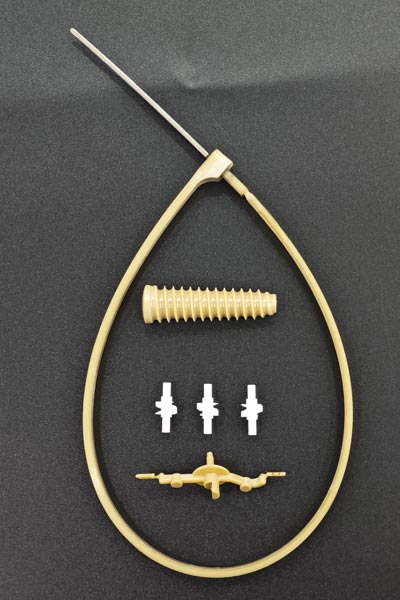
  1. Plasticization Stage: Granular or powdered plastic raw materials are added to the hopper of the injection molding machine. Through heating and the rotation of the screw, the plastic gradually melts and reaches a suitable flow state.
  2. Injection Stage: Under high pressure, the screw injects the molten plastic through the nozzle into the cavity of the mold, filling it to about 95% of its capacity.
  3. Packing and Solidification Stage: Continuous pressure is applied to compact the melt and increase the plastic density to compensate for the shrinkage of the plastic during the cooling process. At the same time, the cooling system of the mold starts working, causing the plastic to cool and solidify rapidly.
  4. Ejection Stage: When the plastic is completely solidified, the mold is opened, and the finished product is ejected from the mold using an ejection mechanism.

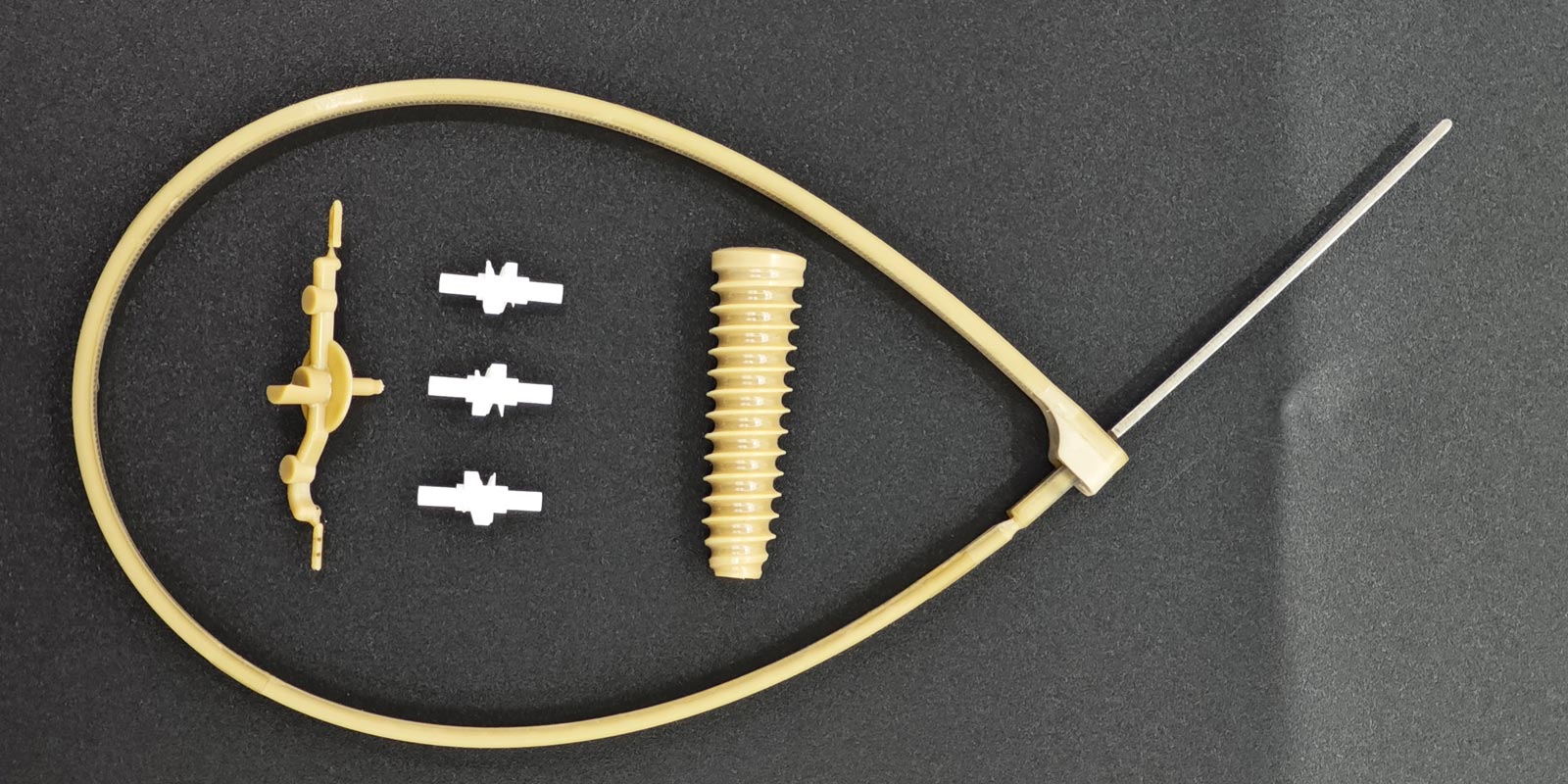
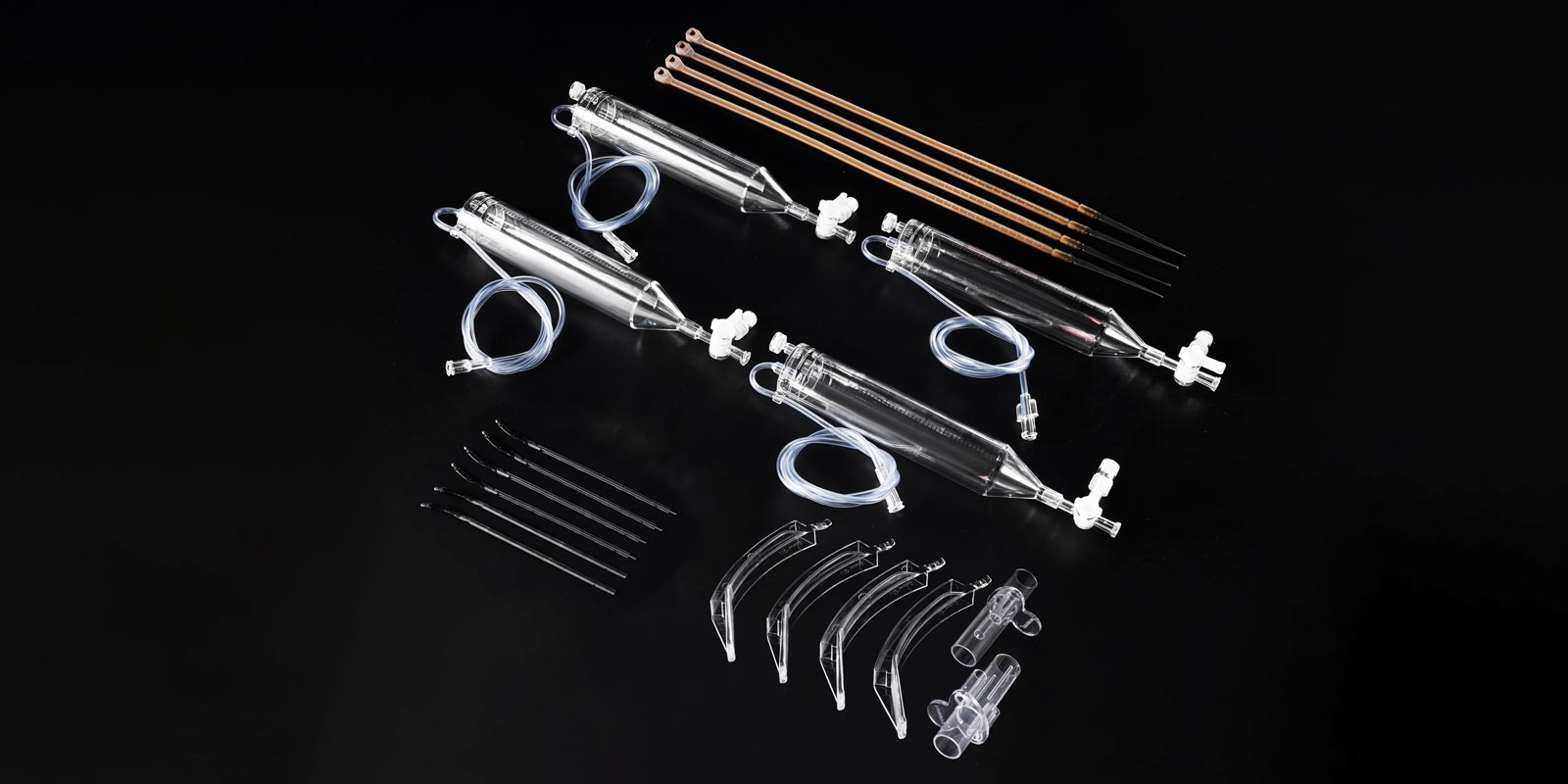
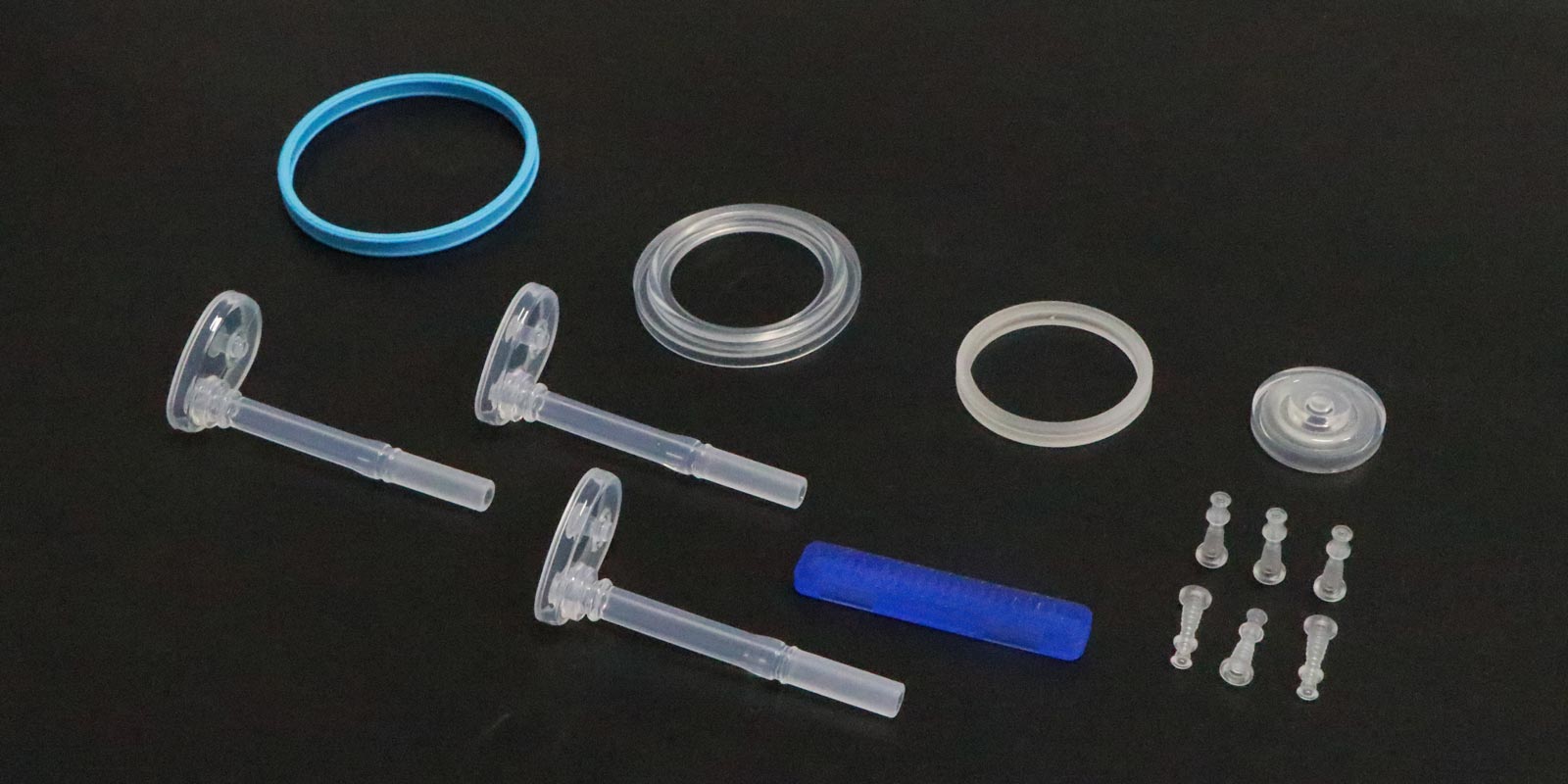
medical consumables injection molding

Process Flow of Medical Consumables Injection Molding

The process flow of medical consumables injection molding is more complex and stringent than that of ordinary injection molding, as it needs to meet the high requirements of the medical industry for product accuracy, safety, and sterility. The following is a detailed process flow of medical consumables injection molding:

1. Raw Material Preparation and Pretreatment
  • Raw Material Selection: According to the usage requirements of medical consumables, select medical-grade plastic materials with good biocompatibility, chemical resistance, high-temperature resistance, and mechanical strength, such as polypropylene (PP), polycarbonate (PC), and polyether ether ketone (PEEK).
  • Drying Treatment: Many medical plastic materials are sensitive to moisture, and moisture absorption can affect the quality of injection molding. Therefore, the raw materials need to be fully dried before injection molding to remove moisture. For example, PET material needs to be dried at 120°C for 4 hours.
  • Color Matching and Mixing: According to the color requirements of the product, mix the color masterbatch evenly with the raw materials to ensure consistent product color.
2. Mold Design and Manufacturing
  • Mold Design: Based on the shape, size, and functional requirements of medical consumables, design a reasonable mold structure. The mold needs to have high precision, high wear resistance, and good venting performance to ensure the dimensional accuracy and surface quality of the injection-molded parts.
  • Mold Manufacturing: Manufacture the mold using high-precision processing equipment and processes to ensure that the dimensions of the mold cavity and core meet the design requirements. At the same time, polish the mold to improve the surface finish of the injection-molded parts.
3. Injection Molding
  • Equipment Debugging: According to the selected materials and product requirements, adjust the temperature, pressure, speed, and other parameters of the injection molding machine. For example, the barrel temperature needs to be controlled within the melting temperature range of the material, and the injection pressure needs to be adjusted according to the product wall thickness and mold structure.
  • Filling and Packing: Start the injection molding machine and inject the molten plastic into the mold cavity for filling and packing. During the filling process, control the injection speed to avoid defects such as weld lines and flow marks. In the packing stage, continuous pressure needs to be applied to ensure that the plastic fully fills the cavity and compensates for shrinkage.
  • Cooling and Solidification: The cooling system of the mold starts working, causing the plastic to cool and solidify rapidly. The cooling time needs to be adjusted according to the product wall thickness and material characteristics to ensure that the product is completely solidified before ejection.
4. Ejection and Post-Processing
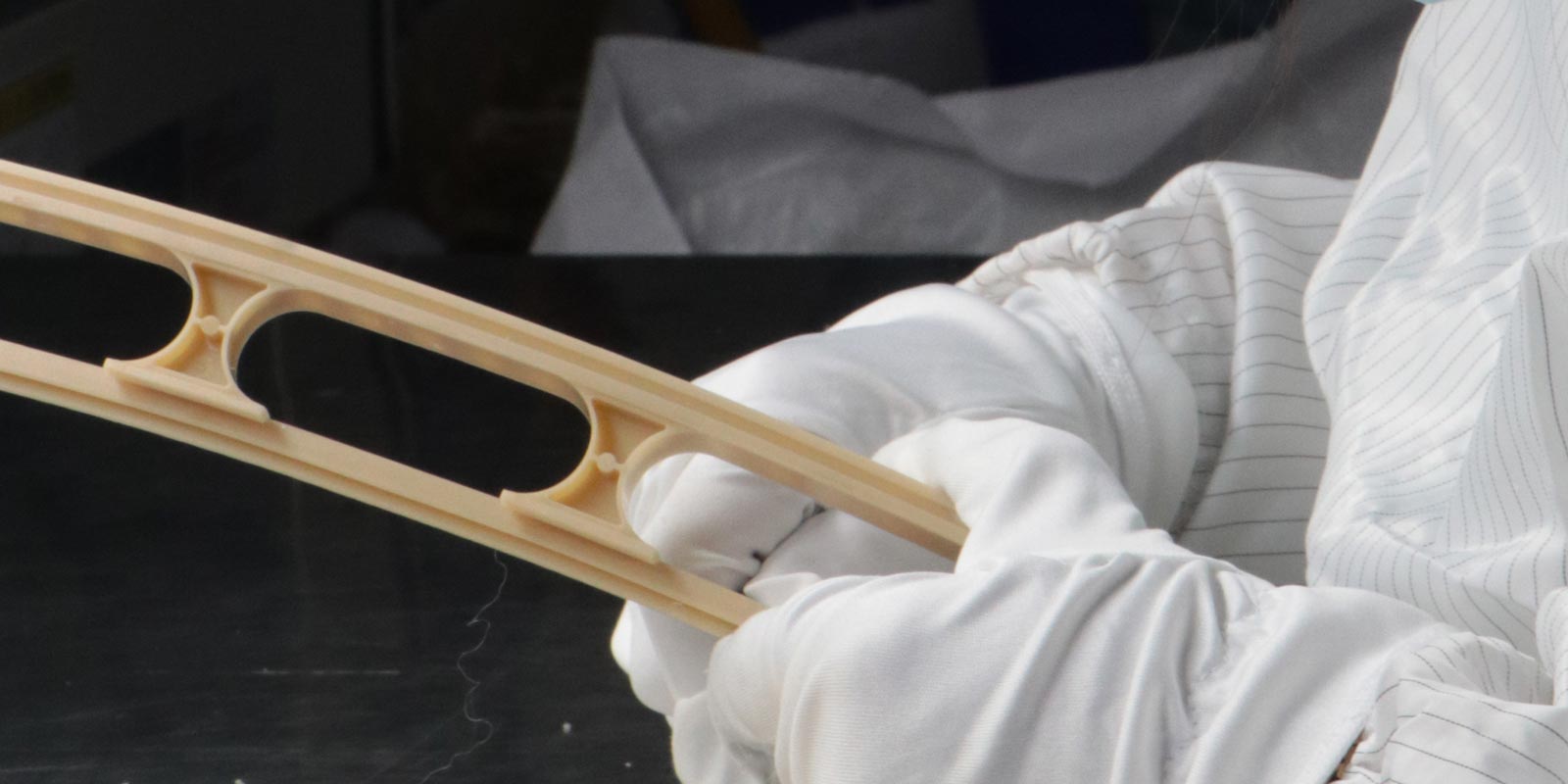
  • Ejection: When the plastic is completely solidified, open the mold and eject the finished product from the mold using an ejection mechanism. Avoid damaging the product during the ejection process to ensure its appearance and dimensional accuracy.
  • Post-Processing: According to the product requirements, perform post-processing procedures such as deburring, trimming the gate, and annealing on the injection-molded parts. Annealing treatment can eliminate the internal stress of the product and improve its dimensional stability.
  • Quality Inspection: Conduct quality inspections on the injection-molded parts, including dimensional measurement, appearance inspection, and performance testing, to ensure that the products meet the design requirements and relevant standards.
5. Packaging and Sterilization
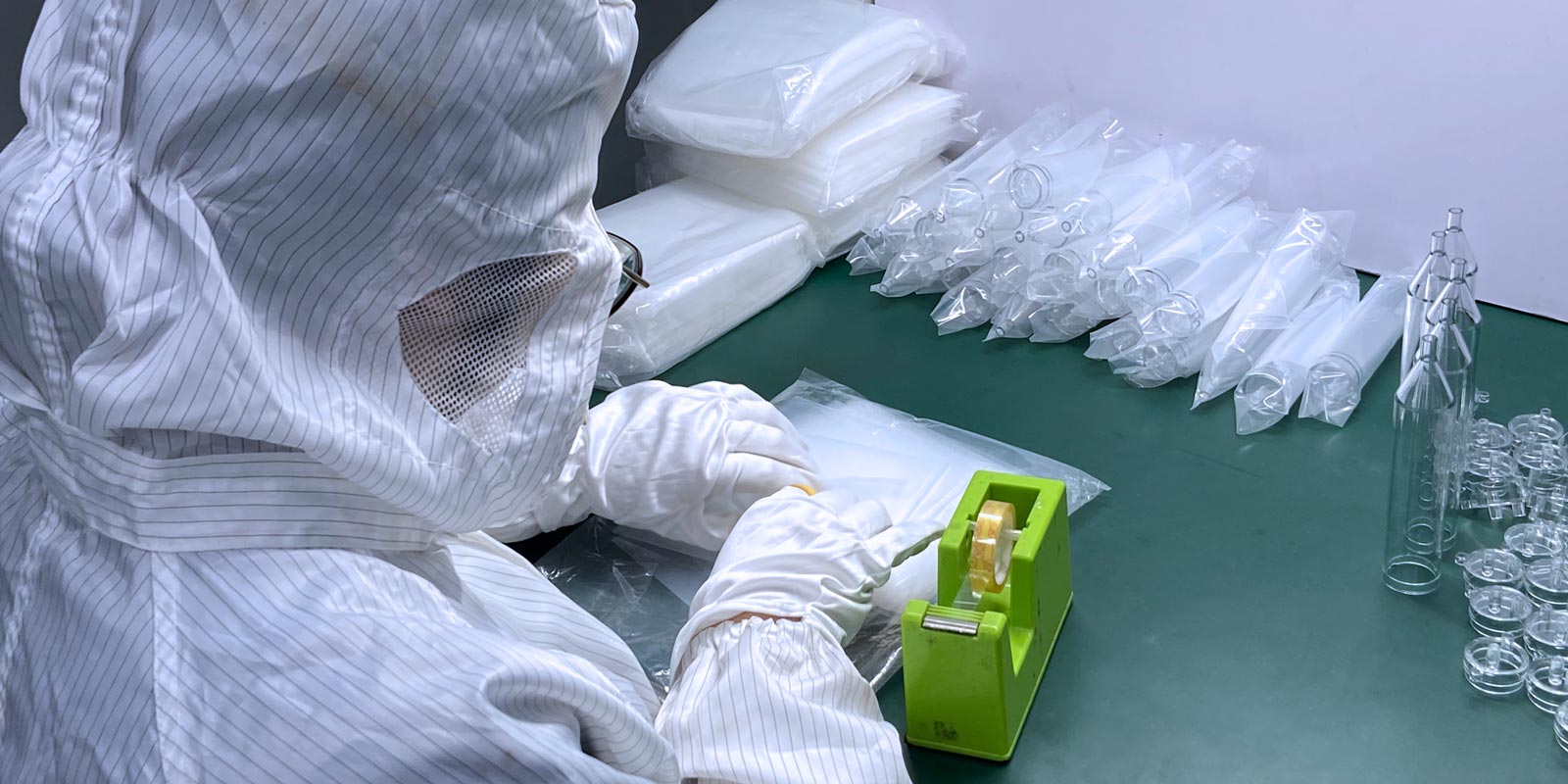
  • Packaging: Clean and package the qualified injection-molded parts to prevent contamination during transportation and storage.
  • Sterilization: According to the usage requirements of medical consumables, sterilize the packaged products, such as ethylene oxide sterilization and radiation sterilization, to ensure that the products are sterile.

Frequently Asked Questions (FAQs)

Q1: What are the common defects in the injection molding process of medical consumables? How can they be solved?
A1: Common defects in the injection molding process of medical consumables include flash, sink marks, weld lines, flow marks, and dimensional deviations. Solutions to these problems include optimizing mold design to improve mold precision and venting performance; adjusting injection molding process parameters such as injection pressure, speed, and temperature; selecting appropriate plastic materials and additives; and strengthening quality inspection and control.

Q2: How to select suitable plastic materials for medical consumables injection molding?
A2: Selecting suitable plastic materials for medical consumables injection molding requires considering the usage requirements of the products, such as biocompatibility, chemical resistance, high-temperature resistance, and mechanical strength. Commonly used medical-grade plastic materials include polypropylene (PP), polycarbonate (PC), and polyether ether ketone (PEEK). In addition, it is necessary to select the appropriate material type and specification according to the specific usage of the products.

Q3: Why is the venting system design of the mold for medical consumables injection molding important? How can it be optimized?
A3: The venting system design of the mold for medical consumables injection molding is crucial for ensuring the surface quality of the injection-molded parts. Poor venting can prevent the gas in the cavity from being discharged smoothly, resulting in defects such as bubbles, flow marks, and silver streaks. Methods to optimize the venting system design include opening venting slots or venting holes at the parting surface, inserts, and ejector pins of the mold; reasonably arranging the venting channels to ensure that the gas can be discharged smoothly; and adjusting the depth and width of the venting slots according to the material characteristics and injection molding process parameters.

Q4: How to ensure the sterility of products during the injection molding process of medical consumables?
A4: Ensuring the sterility of products during the injection molding process of medical consumables requires multiple measures. First, maintain a clean and hygienic production environment during the injection molding process to prevent microbial contamination. Second, sterilize the packaged products, such as ethylene oxide sterilization and radiation sterilization. In addition, strengthen quality inspection and control to ensure that the products meet relevant standards and requirements.

86-0769-81888522

Add: 62 Jinghai East Road, Chang'an Town, Dongguan City, Guangdong Province

Whatsapp: 13302615729

Tel: 86-133-0261-5729

Email: info@yizemould.com

Copyright © 2024 Dongguan Yize Mold Co., Ltd   粤ICP备20053066号

Add: 62 Jinghai East Road, Chang'an Town, Dongguan City, Guangdong Province

Whatsapp: 13302615729

Tel: 86-133-0261-5729

Email: info@yizemould.com

Copyright © 2024 Dongguan Yize Mold Co., Ltd
Website Statement | Privacy Statement | 粤ICP备20053066号
Sitemap
