

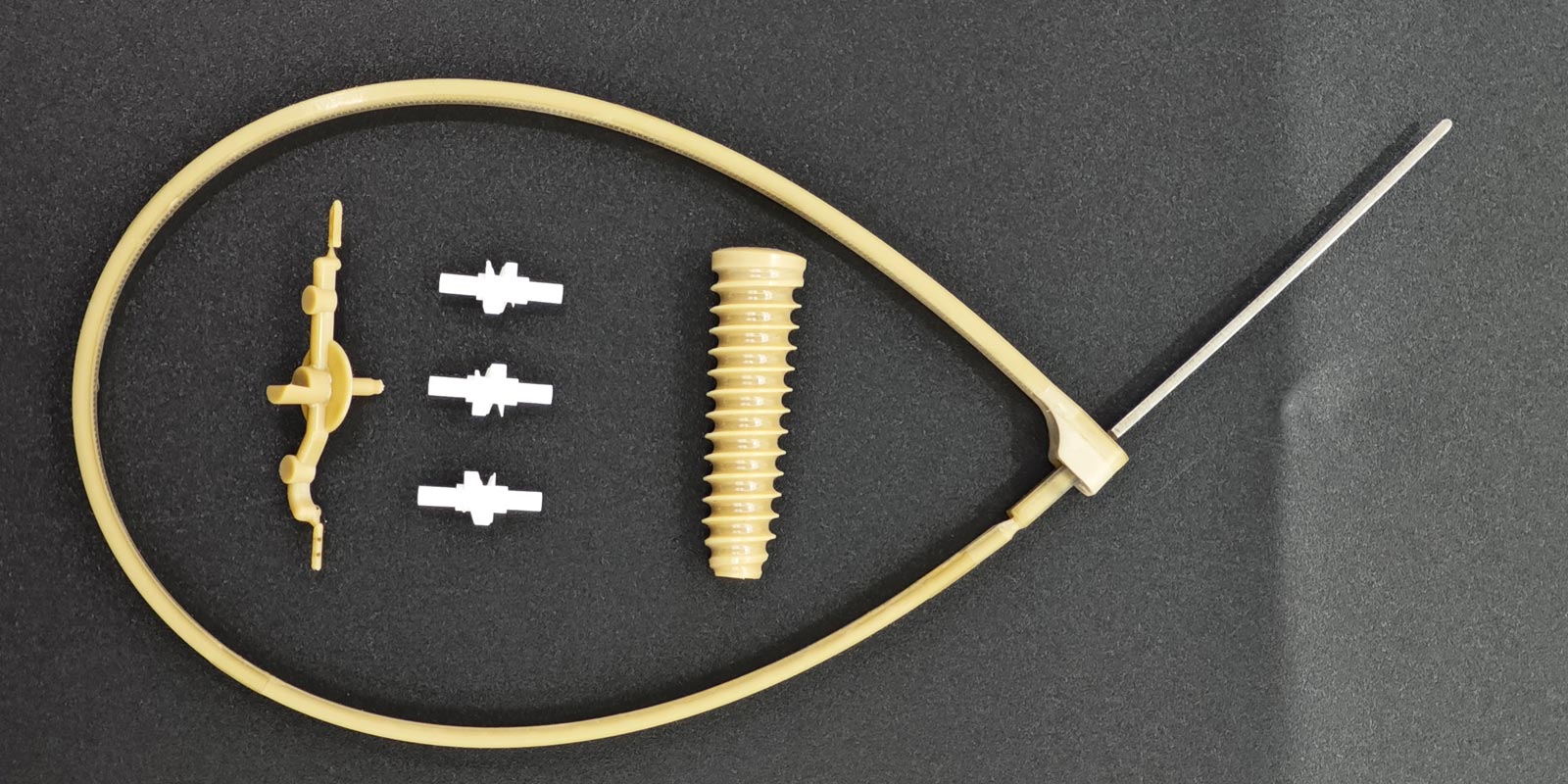
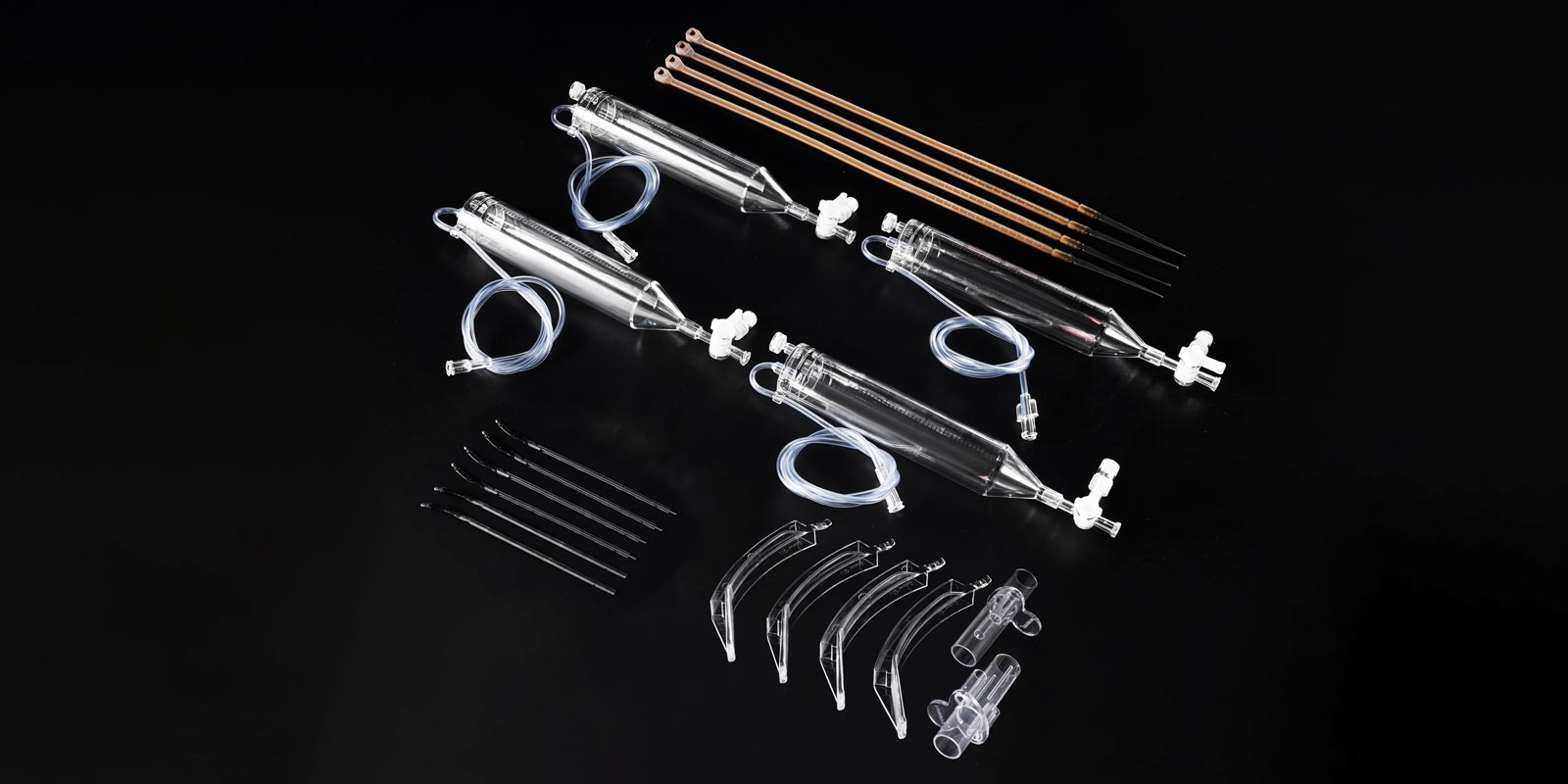
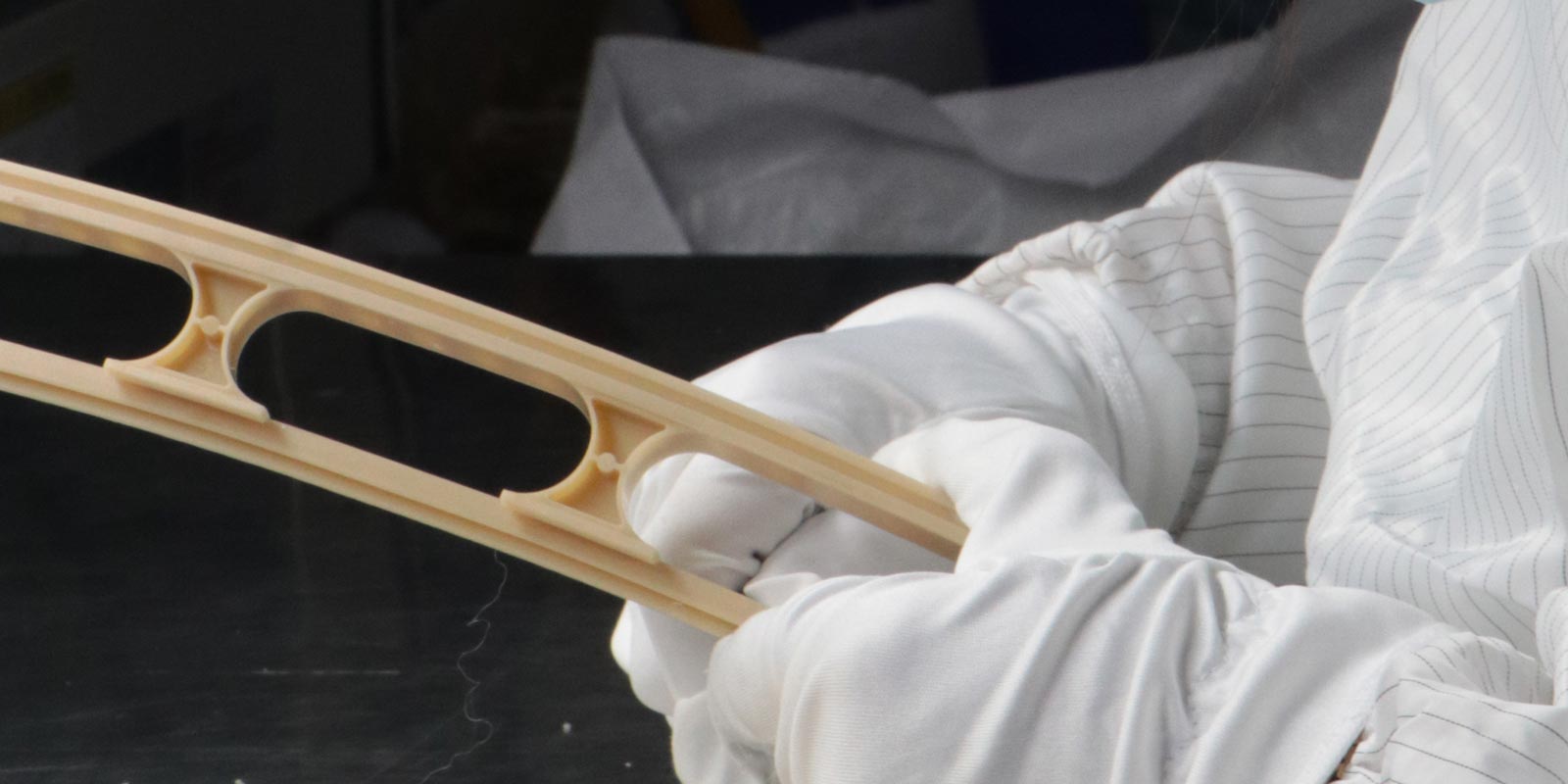
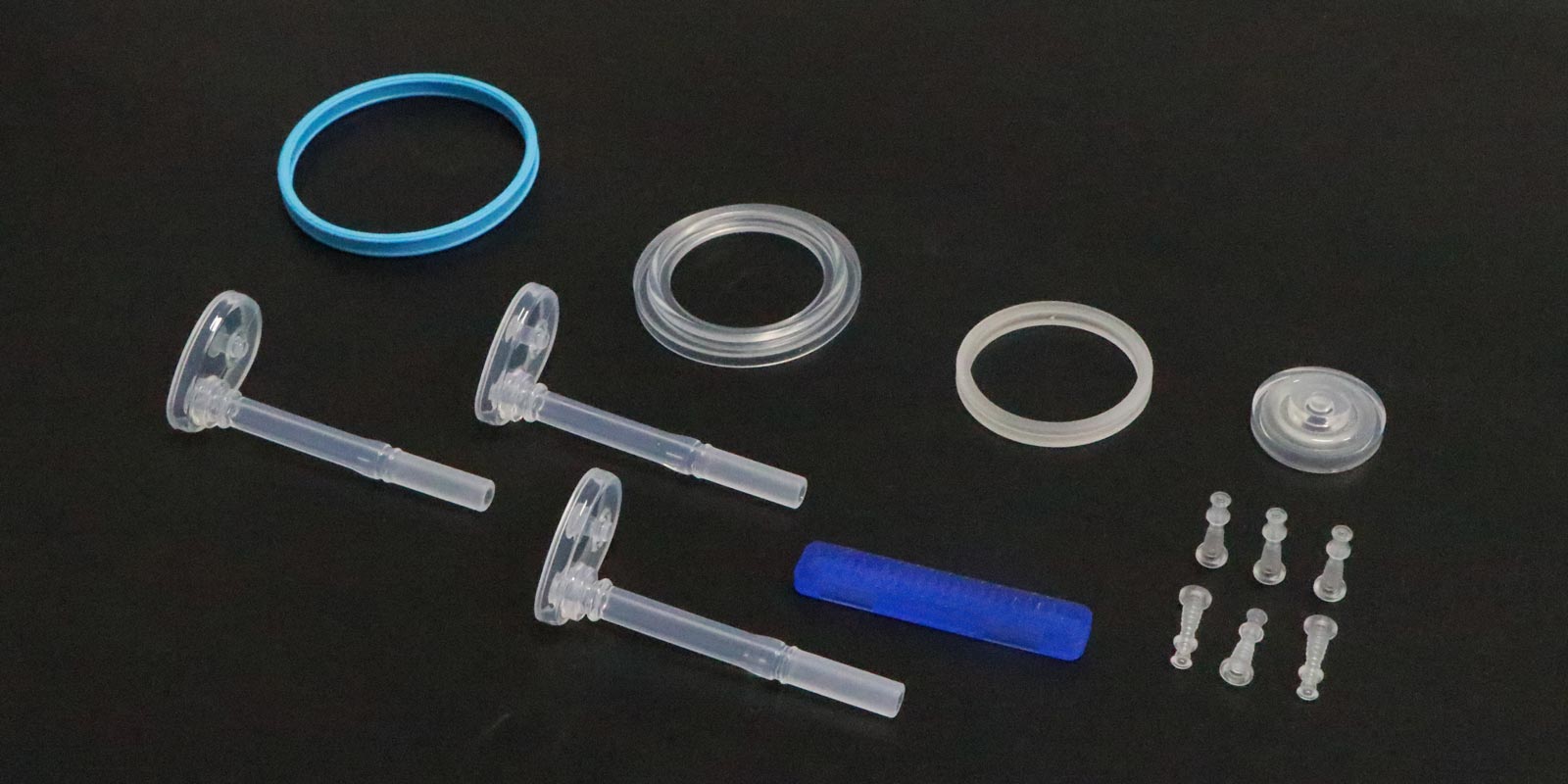



In the medical device industry, the dimensional accuracy of injection molded parts directly determines whether a product can be properly assembled and used safely. A wall thickness deviation in a cardiac pacemaker housing or a diameter fluctuation in an insulin syringe plunger can lead to irreversible consequences. Yet dimensional instability is precisely the most stubborn and widespread challenge in medical injection molding production. This article systematically dissects the root causes of dimensional失控 from five dimensions — mold, material, process, equipment, and environment — and provides actionable solutions.
The mold is the "mother body" of an injection molded part's dimensions. Once the mother body goes off spec, all subsequent process adjustments are merely damage control.
Insufficient manufacturing precision. Positioning errors in CNC machining centers and tool wear can cause dimensional deviations in the cavity and core. For medical-grade products, critical dimensional tolerances are often required within ±0.01mm or even ±0.005mm, which ordinary machining equipment simply cannot achieve.
Wear and deformation. Under prolonged high-temperature and high-pressure operation, the cavity wall is eroded by molten material, causing product dimensions to gradually grow larger. If the mold lacks sufficient rigidity, molding pressure can cause elastic deformation, resulting in inconsistent dimensional deviations across different areas of the product.
Uneven cooling. Poorly designed cooling channels or non-uniform coolant flow create significant temperature differences across the mold. Areas with higher mold temperature experience greater shrinkage and smaller dimensions, while areas with lower mold temperature have insufficient shrinkage and larger dimensions, ultimately causing product warpage.
Solutions: Use ultra-precision five-axis CNC machining centers to manufacture molds, ensuring cavity accuracy at the micron level; perform heat treatment and cold hardening on cavity surfaces to enhance wear resistance; optimize the cooling system by increasing channel density or lowering coolant temperature in thick-wall areas to achieve uniform cooling; conduct regular mold dimension inspections and repair promptly when wear exceeds acceptable limits.
Many blame dimensional instability on molds, but in reality, material is the silent operator behind the scenes.
Batch-to-batch variation. Even for the same grade of medical-grade polycarbonate or nylon, shrinkage rates can differ significantly between batches. This stems from fluctuations in molecular weight distribution and additive content. For example, plastics containing bioactive components can see shrinkage rates change with even slight variations in additive content.
Moisture absorption. Materials like nylon are highly hygroscopic. If not adequately dried before injection molding, moisture vaporizes at high temperatures to form bubbles, which not only degrade surface quality but also cause abnormal shrinkage ratios and severe dimensional offsets.
Crystallization characteristics. Crystalline resins (such as POM, PP) have shrinkage rates far greater than amorphous resins (such as PC, PS), and their shrinkage rate range is much wider. Spherulite size and degree of crystallinity both affect final dimensions.
Solutions: Select suppliers with stable quality, and strictly inspect key indicators such as melt flow index, density, and shrinkage rate for every incoming batch; dry nylon-based materials in an 80 to 100°C dryer for 4 to 6 hours to reduce moisture content to the lowest possible level; during trial molding, adjust mold dimensions based on actual shrinkage characteristics rather than relying on theoretical values.
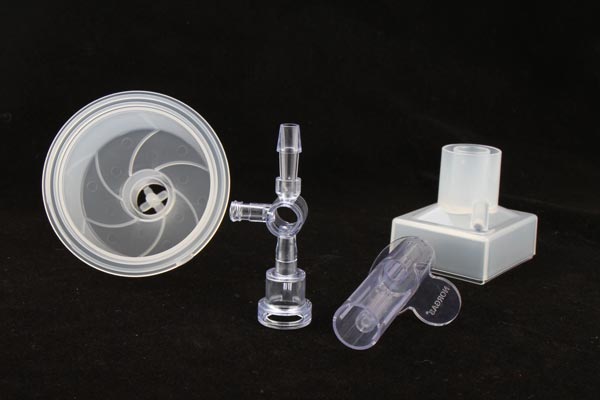
Dimensional instability in injection molding is fundamentally a conflict between the dynamic changes in material shrinkage rate and the precision of process parameter control. Casual handling of cooling time, unstable holding pressure, and uneven mold temperature — even slight deviations in these three parameters are infinitely amplified by the shrinkage rate.
Mold temperature. Every ±1°C fluctuation in mold temperature produces observable changes in shrinkage rate. Higher mold temperature slows melt cooling, allows more complete crystallization, increases shrinkage, and results in smaller product dimensions; lower mold temperature has the opposite effect.
Holding pressure and time. The core purpose of holding pressure is to compensate for cooling shrinkage. Insufficient pressure or too short a holding time leads to inadequate packing, causing smaller dimensions and sink marks; excessive pressure or too long a holding time causes flash and internal stress buildup, resulting in larger dimensions and post-molding deformation.
Injection pressure and speed. Unstable pressure causes inconsistent fill volumes, and product dimensions fluctuate accordingly. Too high a speed causes jetting; too low a speed causes uneven filling. Multi-stage speed control should be adopted: low speed for stable initial filling, with dynamic adjustment in later stages based on fill conditions.
Solutions: Use high-precision temperature control systems to keep mold temperature fluctuations within ±1°C; implement intelligent closed-loop pressure control for segmented constant-pressure holding, with no attenuation or fluctuation throughout the cycle; use multi-stage adjustable injection speed to precisely match product structure. If product dimensions are too large, reduce injection pressure and melt temperature, increase mold temperature, and shorten fill time; if dimensions are too small, take the opposite adjustments.
Equipment malfunctions. Insufficient plasticizing capacity of the injection molding machine, unstable screw speed, check valve failure in the hydraulic system, burned thermocouples, broken heater circuits — all of these cause injection volume and temperature to go out of control, making dimensional stability impossible.
Ambient temperature and humidity. The production environment should be maintained at 20 to 25°C with 40% to 60% relative humidity. Excessive temperature increases material fluidity, making injection volume difficult to control, and accelerates mold wear; excessive humidity causes raw materials to absorb moisture, degrading both performance and dimensional stability.
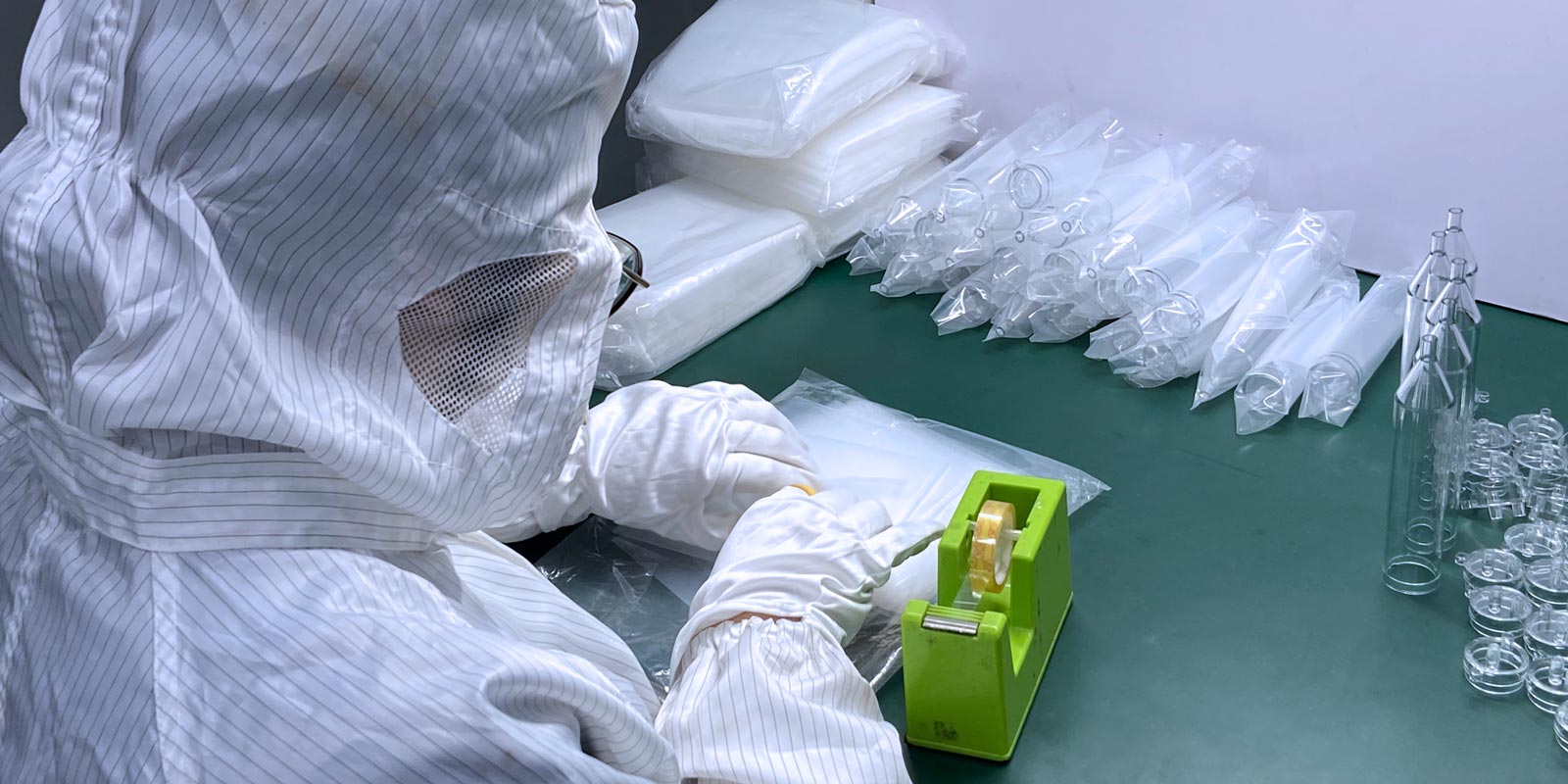
Solutions: Regularly calibrate the pressure control system and temperature control system of the injection molding machine; equip the workshop with air conditioning and dehumidification systems to maintain a stable environment; establish a Class 10,000 or Class 100,000 clean production environment to prevent dust and contaminants from entering.
The thermal expansion coefficient of plastic is roughly ten times that of metal. Dimensions change dramatically within 10 hours after demolding and only stabilize after approximately 24 hours. If measurement temperature, timing, and method are inconsistent, the dimensional data itself is unreliable.
Solutions: Strictly follow standard-specified temperature and methods for measurement. Products should be allowed to rest for at least 24 hours after demolding before dimensional inspection.
Q: What dimensional deviation in medical injection molded parts is considered non-conforming?
A: It depends on the functional requirements of the product. Generally, critical dimensional tolerances for medical consumable injection molded parts are within ±0.01mm, and high-precision products such as filter housings may require ±0.005mm. Any deviation beyond the design tolerance is non-conforming.
Q: Why do different cavities of the same mold produce parts with different dimensions?
A: Multi-cavity molds have machining errors between individual cavities, and in hot runner mold operation, wear on cavity walls and cores is inconsistent. The error gradually amplifies with continuous operation. For high-precision products, a single-cavity mold structure is recommended, or dual cooling circuits should be installed to ensure temperature uniformity.
Q: Can dimensional instability be corrected through post-processing?
A: No. The dimensional accuracy of medical injection molded parts must be ensured during the molding stage. Post-processing only introduces new variables and risks. The only correct path is systematic control across the five dimensions of mold, material, process, equipment, and environment.
Q: How can you quickly determine whether a dimensional deviation is a mold problem or a process problem?
A: Start with a single-cavity trial run. If the single-cavity product is still dimensionally unstable, it is most likely a mold issue (wear, uneven cooling). If the single cavity is stable but multi-cavity products are inconsistent, it is a mold balance issue. If even the single cavity fluctuates, focus on material batch and process parameter investigation.
PREV:Why Do Medical Injection-Molded Parts Keep Failing? A Comprehensive Guide
NEXT:How to Adjust Medical Injection Molding Process Parameters?
Add: 62 Jinghai East Road, Chang'an Town, Dongguan City, Guangdong Province
Whatsapp: +86 13342659272
Email: Yuliya.chen@yizemould.com

Add: 62 Jinghai East Road, Chang'an Town, Dongguan City, Guangdong Province
Whatsapp: +86 13342659272
Email: Yuliya.chen@yizemould.com
 Home
Home