

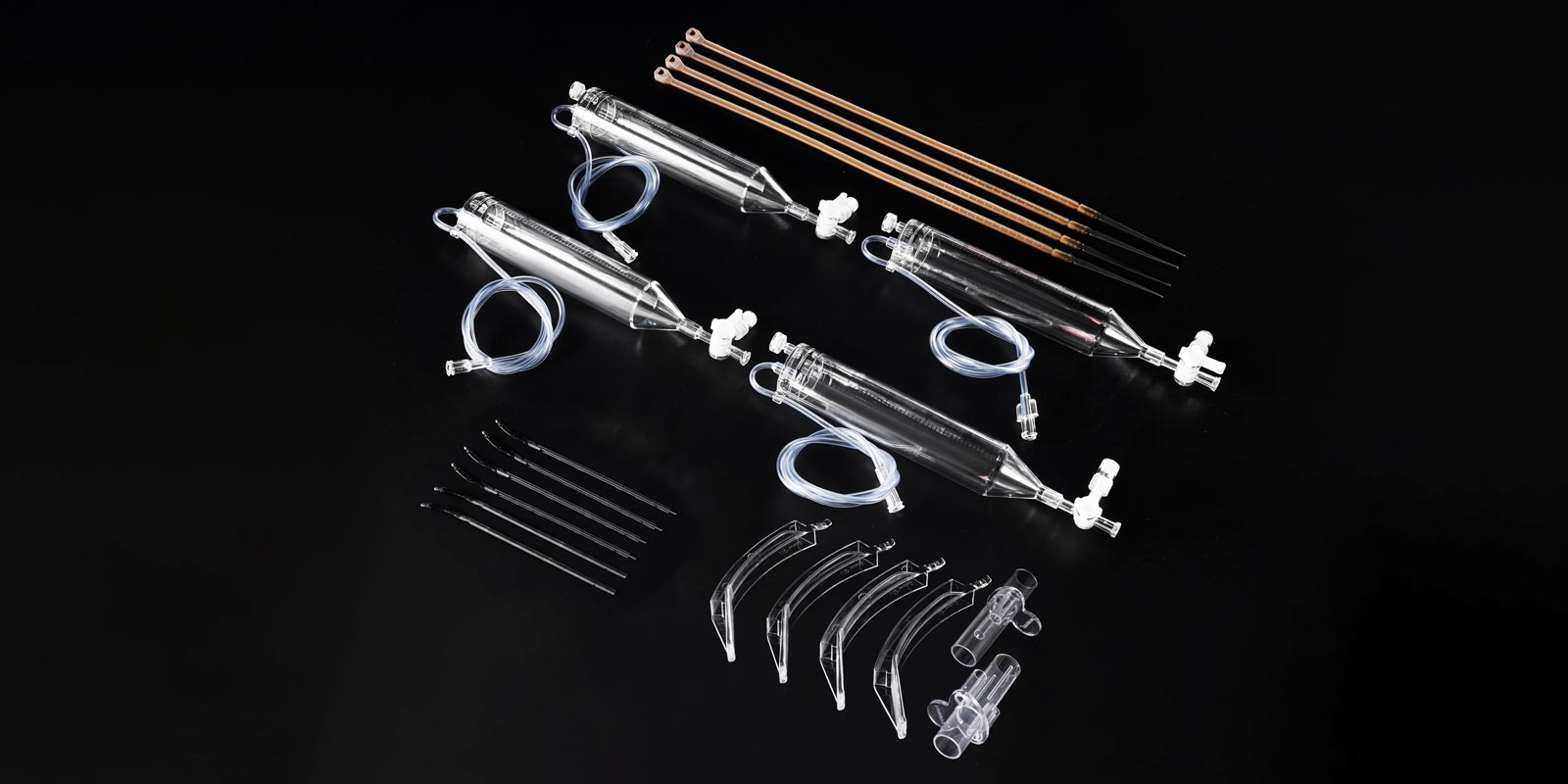
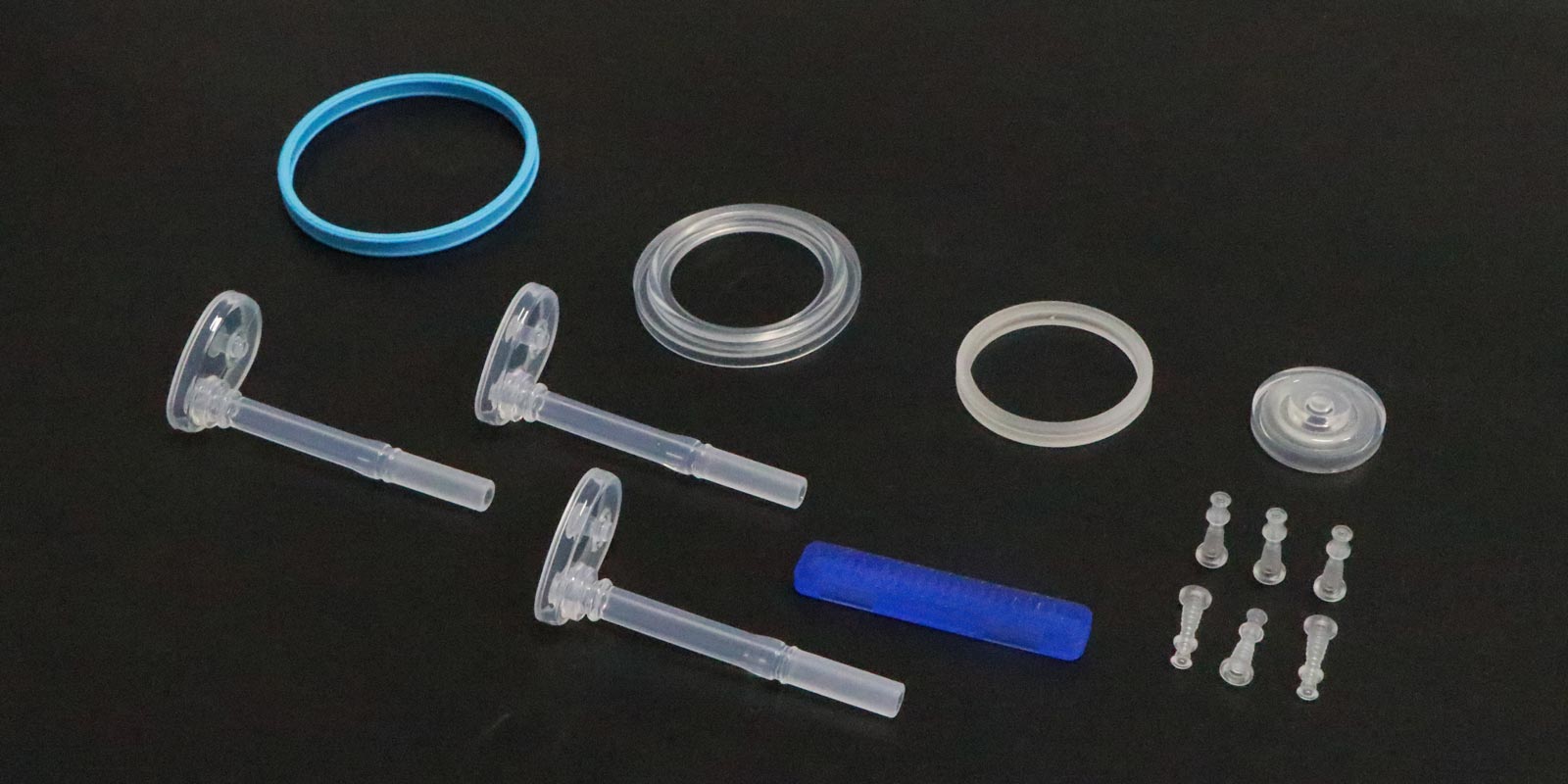



In surgical procedures, hemostatic forceps are core instruments for controlling bleeding and ensuring a clear surgical field. With the widespread adoption of disposable medical consumables, plastic hemostatic forceps are gradually replacing traditional metal clamps due to their lightweight nature, low cost, and suitability for large-scale sterilization. However, with so many materials available, including polystyrene, ABS, nylon, and polyoxymethylene, how do you make the right choice? This article breaks down the decision from three perspectives: material performance, clinical requirements, and industry trends.
Polystyrene (PS) and ABS: The Economical Entry-Level Options
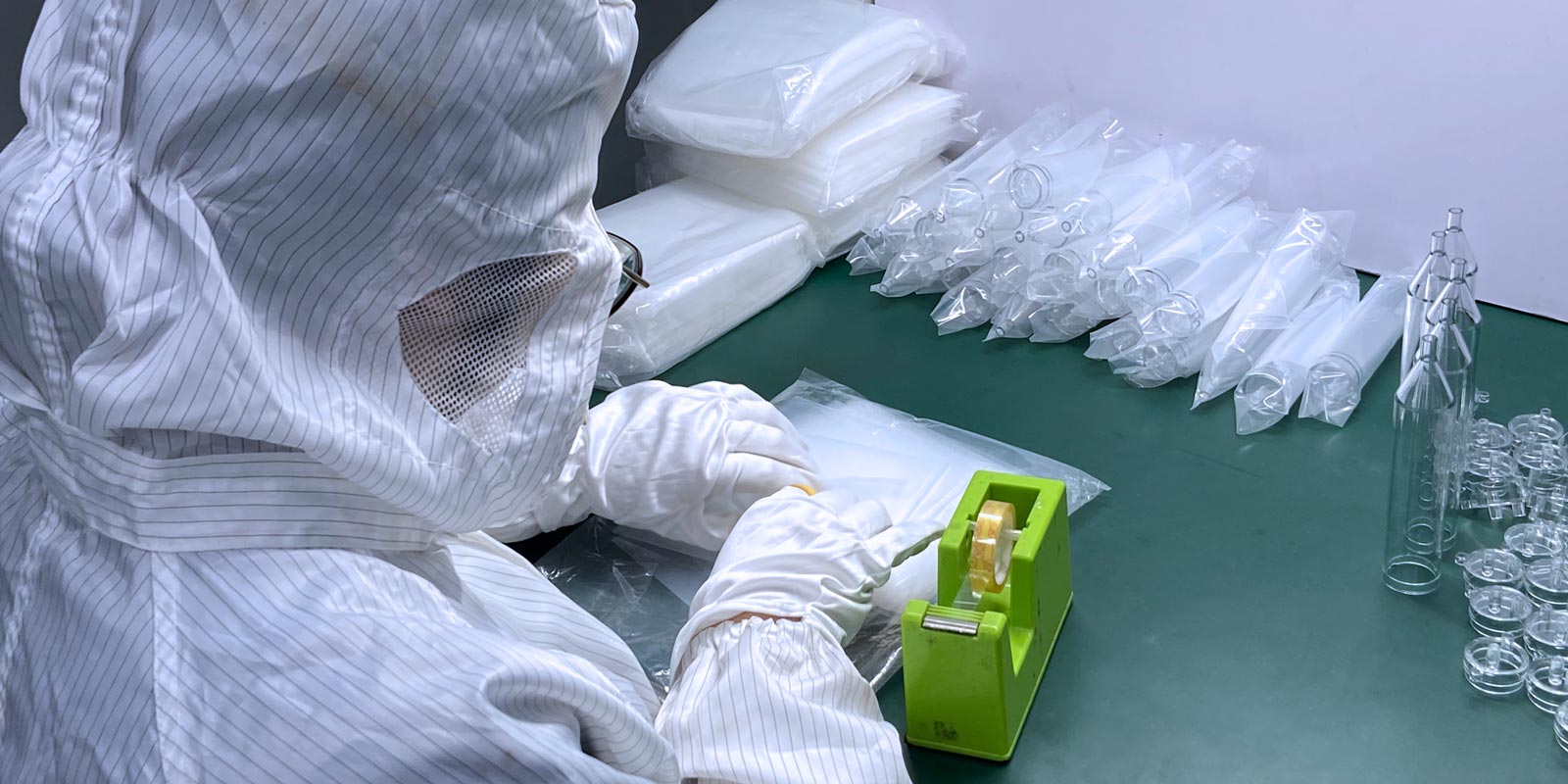
According to the instructions for disposable plastic forceps documented on Family Doctor Online, polystyrene, ABS, and nylon resin are currently the three most common base materials for plastic hemostatic forceps. These materials are low in cost, suitable for mass production, and offer good surface finish and edge flatness. ABS strikes a favorable balance between toughness and rigidity, while polystyrene excels in transparency and rigidity. However, both perform less well under high-temperature conditions, and their sterilization method is typically limited to ethylene oxide sterilization, with residue controlled at no more than 10mg/kg.
Nylon Resin: A Balance of Strength and Toughness
Nylon material significantly outperforms PS and ABS in tensile strength and wear resistance, making it particularly suitable for hemostatic scenarios that require a certain degree of clamping force. Its surface can be molded into various complex shapes through injection molding to meet different forceps design requirements. However, nylon has relatively high moisture absorption, so storage must be kept dry to avoid affecting dimensional stability.
Polyoxymethylene Resin (POM): The High-Performance Choice
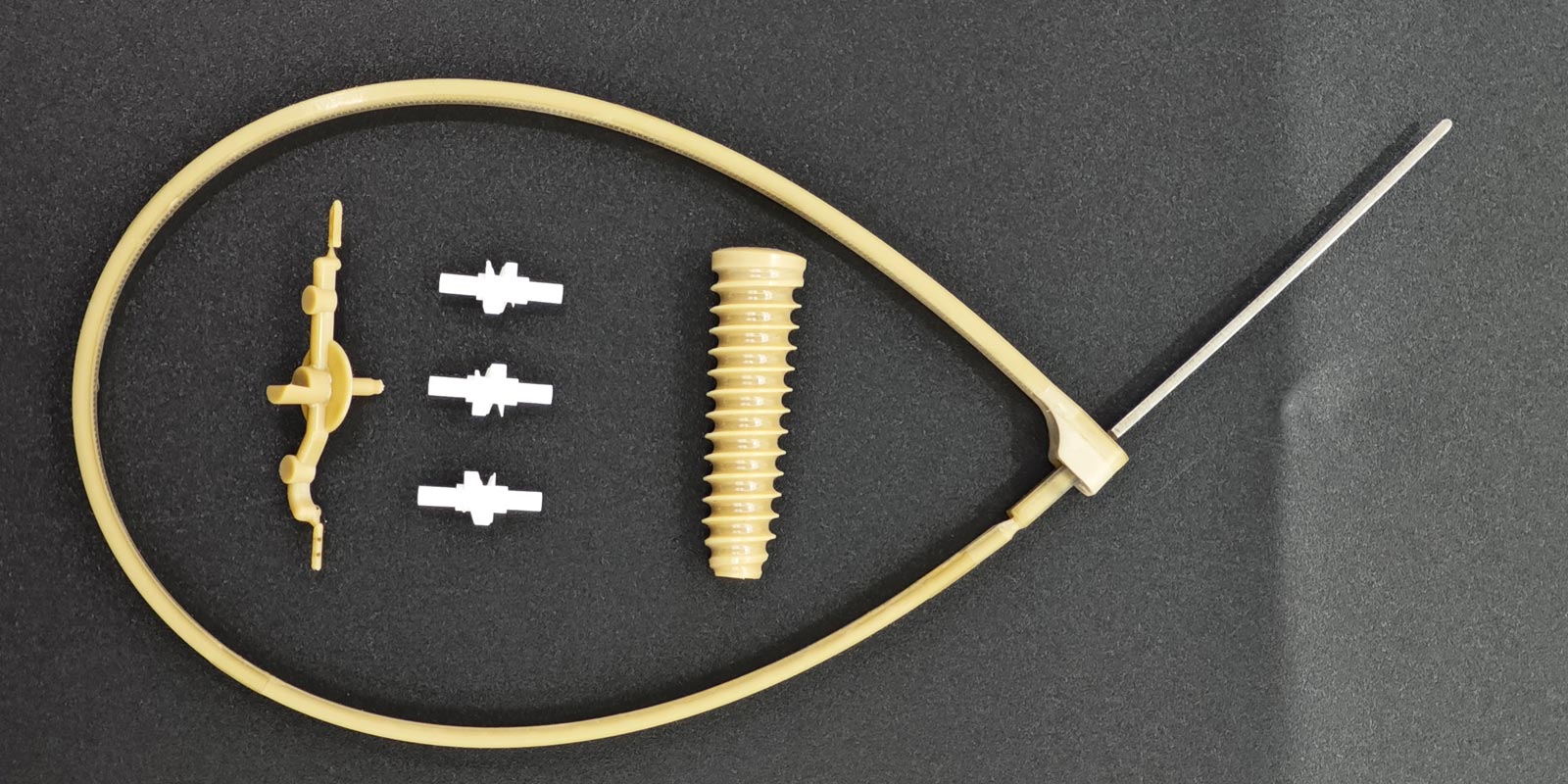
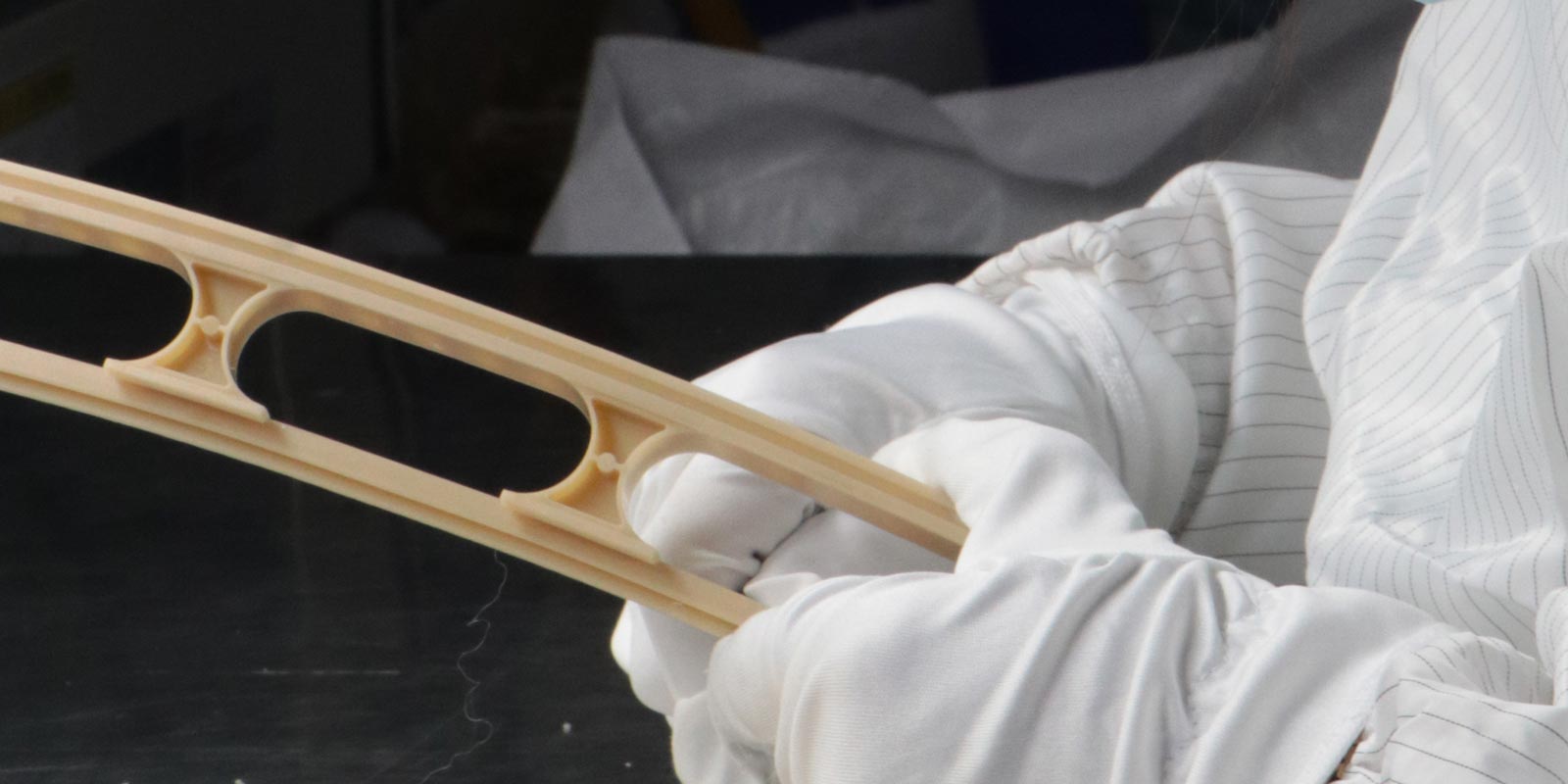
In structural optimization research on medical plastic hemostatic clips, researchers conducted comparative testing and ultimately selected three medical-grade polyoxymethylene resins as the optimal material. POM offers excellent mechanical strength, dimensional stability, and fatigue resistance. It does not easily deform or fracture during repeated opening and closing, and it has good biological inertness, meaning it will not react with human tissue. For disposable hemostatic clips that require precise clamping and must withstand human blood pressure, POM is currently the most comprehensive plastic solution available.
Polycarbonate (PC) and Pure Resin Solutions: The Premium Alternative
Some manufacturers have already launched 100% pure resin surgical forceps solutions that weigh only one-third of traditional metal products and perform outstandingly in antibacterial and insulation properties. These products can be dyed in various colors for easy intraoperative identification and can present a metallic appearance without surface coating. Certain formulations even support autoclave sterilization, expanding the range of use cases.
Although this article focuses on plastic materials, it is worth mentioning stainless steel and titanium alloy, the two "veterans." Stainless steel (such as 3Cr13 and 0Cr18Ni9) offers high hardness and corrosion resistance, with clamping force reaching over 20N, making it suitable for reusable surgical instruments. Titanium alloy is known for its lightweight, high strength, and excellent biocompatibility, making it ideal for long-term implantation scenarios. However, metal forceps also have clear drawbacks: they are heavy, require strict disinfection, carry a risk of cross-infection, and are far more expensive than disposable plastic forceps.
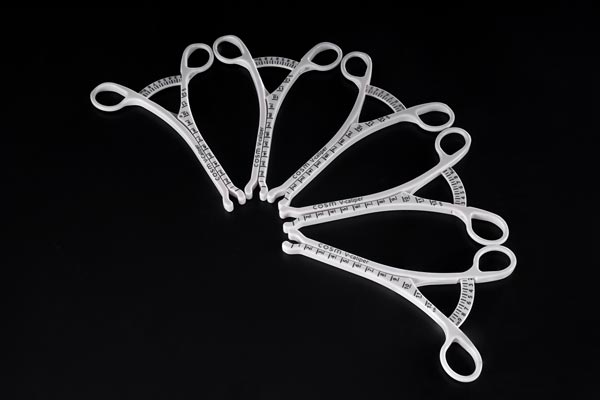
First, biocompatibility. The material must pass cytotoxicity tests and skin sensitization tests to ensure it does not cause allergic reactions. Second, mechanical performance. The forceps must not break or slip during clamping and must withstand human blood pressure without leakage. Third, sterilizability. The current mainstream sterilization methods include ethylene oxide sterilization, irradiation sterilization, and high-temperature high-pressure sterilization, and the material selection must be compatible with the chosen method. Fourth, cost and environmental impact. As environmental awareness grows, biodegradable plastics and recycled materials are becoming new research directions.
If cost-effectiveness and large-scale supply are the priority, ABS and polystyrene are safe choices. If higher clamping force and durability are required, nylon and polyoxymethylene resin are more ideal. For high-end markets or special surgical procedures, pure resin solutions are worth considering. The essence of material selection is finding the optimal balance among safety, performance, and cost.
Q: How much clamping force can plastic hemostatic forceps withstand?
A: The clamping force of disposable plastic hemostatic forceps is generally lower than that of metal forceps, but high-quality POM or nylon products can meet most superficial hemostasis and tissue separation needs. According to product technical requirements, metal hemostatic forceps must achieve a clamping force of 20N or above. Although there is no unified national standard for plastic forceps, qualified products should reliably clamp small blood vessels without slipping.
Q: Can plastic hemostatic forceps be sterilized by high-temperature high-pressure autoclave?
A: Not all plastics are heat-resistant. PS and ABS are typically limited to ethylene oxide sterilization or irradiation sterilization, while some modified PC and POM materials can support autoclave sterilization. Always confirm the compatibility between the material and the sterilization method before purchasing.
Q: What is the difference between disposable plastic hemostatic forceps and absorbable hemostatic clips?
A: Disposable plastic hemostatic forceps must be removed from the body after surgery and are classified as routine consumables. Absorbable hemostatic clips (such as Hemolok clips) are made from polymer materials, remain in the body after clamping blood vessels, and degrade on their own without the need for secondary removal. They are suitable for laparoscopic surgery and similar scenarios, but they are more expensive.
Add: 62 Jinghai East Road, Chang'an Town, Dongguan City, Guangdong Province
Whatsapp: +86 13342659272
Email: Yuliya.chen@yizemould.com

Add: 62 Jinghai East Road, Chang'an Town, Dongguan City, Guangdong Province
Whatsapp: +86 13342659272
Email: Yuliya.chen@yizemould.com
 Home
Home