In the field of medical injection molding, product quality stability directly impacts patient safety and the reliability of medical devices. However, common flow marks (Flow Marks) during injection molding not only affect the appearance of products but may also weaken their mechanical properties and even lead to medical certification failures. This article analyzes the causes of flow marks and proposes systematic solutions tailored to the unique requirements of the medical industry.
1. Causes of Flow Marks
Flow marks are linear or wavy streaks on the surface of injection-molded parts, typically caused by uneven melt flow. In medical injection molding, the causes are more complex:
-
Material Properties: High-viscosity medical-grade plastics (e.g., PPSU, PEEK, PC) have poor fluidity, leading to insufficient filling or uneven shear heating. Additives (e.g., flame retardants, reinforcing fibers) may also cause localized flow resistance.
-
Process Parameters:
-
Injection Speed: Too low causes premature solidification; too high leads to jetting marks.
-
Melt Temperature: Insufficient temperature increases viscosity; excessive temperature risks material degradation.
-
Mold Temperature: Uneven mold temperatures exacerbate cooling rate differences.
-
Packing Pressure: Insufficient packing causes sink marks; excessive pressure induces stress concentration.
-
Mold Design: Poor gate placement, undersized runners, or inadequate venting trap air and create surface defects.
-
Environmental Factors: Temperature fluctuations or insufficient material pre-drying (critical for moisture-sensitive medical-grade materials).
2. Solutions for Medical Injection Molding Flow Marks
Addressing flow marks in medical applications requires optimization across materials, processes, molds, and environments:
1. Material Selection and Pre-Treatment
-
Use low-viscosity, high-flow medical-grade materials or add lubricants to improve fluidity.
-
Strictly dry materials (e.g., PPSU at 120°C for 4 hours) to prevent moisture-related defects.
-
Verify additive dispersion via twin-screw extrusion.
2. Process Parameter Optimization
-
Multi-Stage Injection Control:
-
Slow Start: Avoid jetting.
-
High-Speed Filling: Complete cavity filling before cooling (e.g., increase speed by 20–30%).
-
Segmented Packing: Use multi-stage packing (e.g., 3 stages) to compensate for shrinkage.
-
Temperature Precision:
-
Adjust melt temperature (e.g., 280–320°C for PC) and mold temperature (±2°C uniformity).
-
Back Pressure Adjustment: Increase back pressure (5–15 MPa) moderately to improve melt homogeneity.
3. Mold Design Improvements
-
Gate and Runner Optimization: Use fan or submarine gates to shorten flow paths; enlarge runner diameters.
-
Venting System Upgrades: Add vent slots (0.02–0.05 mm deep) or vacuum venting; incorporate porous steel (Porcerax) for precision parts.
-
Surface Treatment: Polish mold cavities to mirror finish (Ra ≤ 0.05 μm) and apply coatings (e.g., hard chrome plating) for transparent parts.
4. Environmental and Equipment Control
-
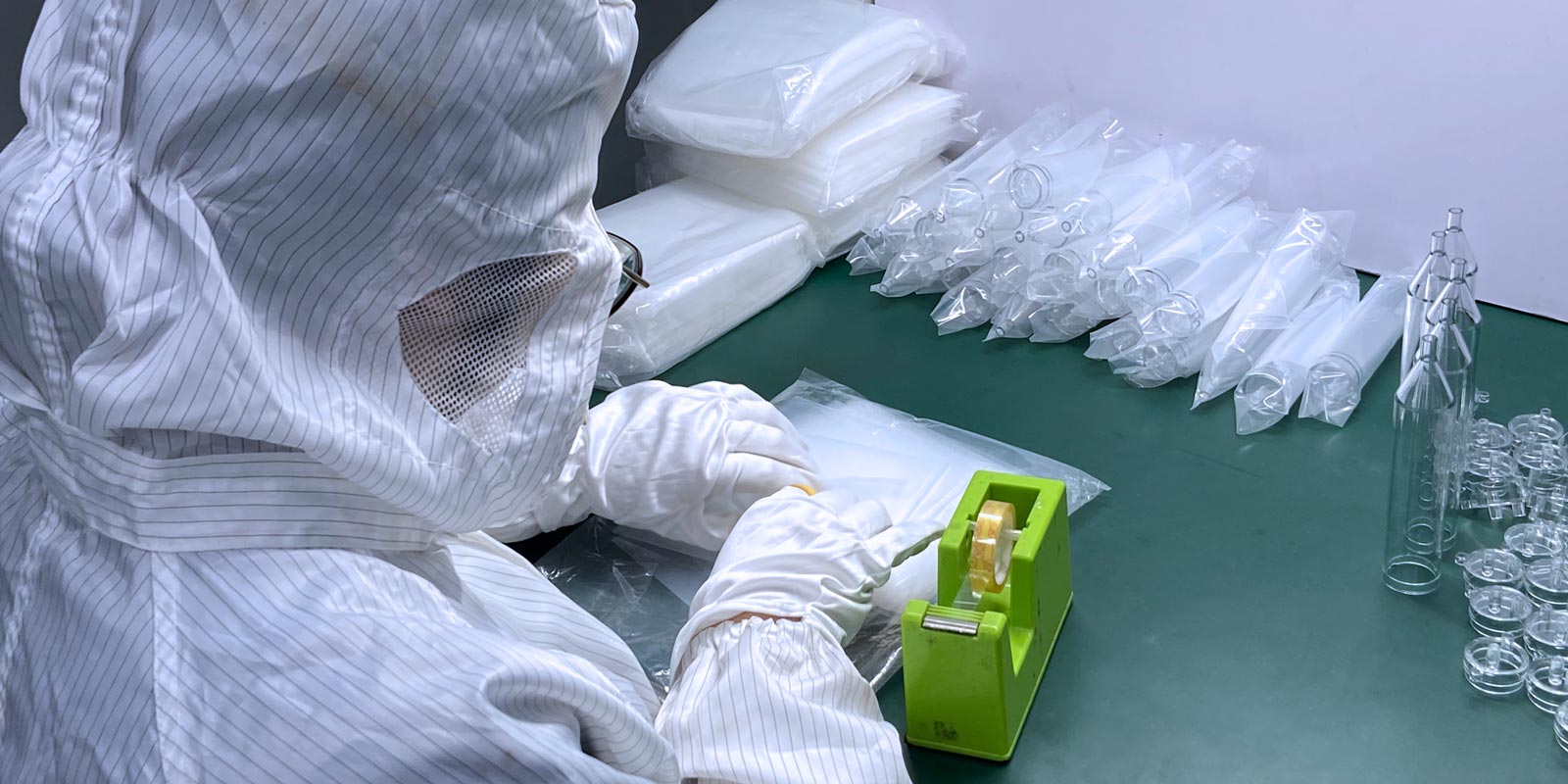
Maintain a cleanroom environment (22 ± 2°C, 50 ± 10% RH) with air purification (≤3.5 million particles/m³ for ≥0.5 μm).
-
Regularly clean screws and barrels to prevent carbon deposits; calibrate sensors for accurate data.
3. Case Study: Eliminating Flow Marks in a Medical Catheter Connector
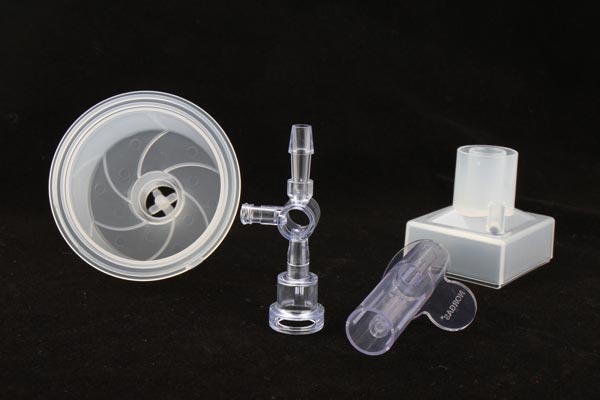
A manufacturer faced a 15% rejection rate for PPSU catheter connectors due to flow marks. Solutions included:
-
Switching to a low-viscosity PPSU grade with 0.5% silicone lubricant.
-
Increasing injection speed to 80 mm/s and mold temperature to 100°C.
-
Enlarging the gate diameter from 1.2 mm to 1.8 mm and adding vents.
-
Installing thermal insulation around the injection molding machine.
Result: Flow marks were eliminated, and the pass rate rose to 99.2%.
4. Conclusion
Resolving flow marks in medical injection molding requires a systematic approach, from material selection to environmental control. Leveraging simulation software (e.g., Moldflow) for flow and cooling analysis, combined with intelligent monitoring systems, enables closed-loop process control to ensure product safety and efficacy.







 Home
Home