

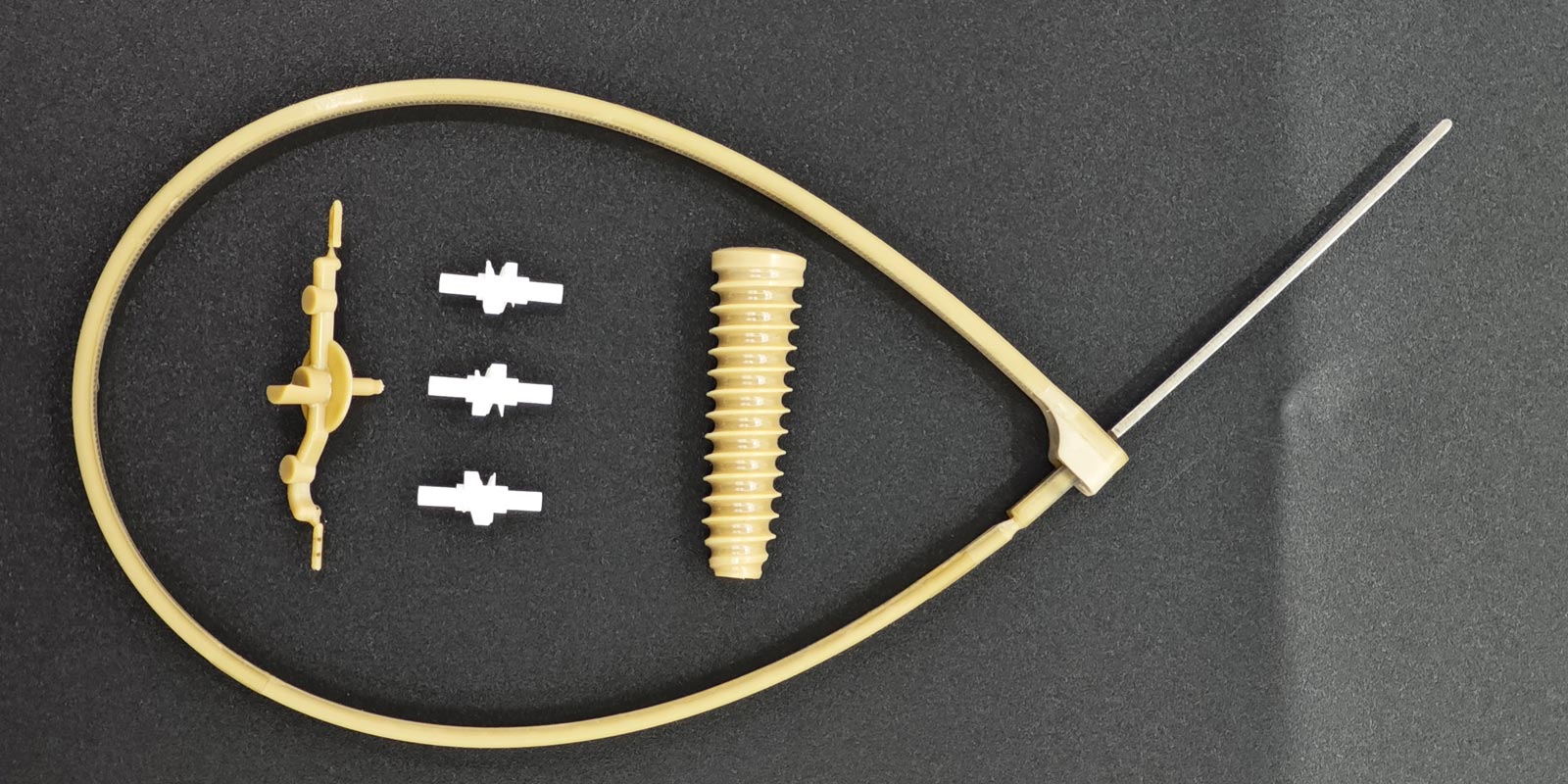
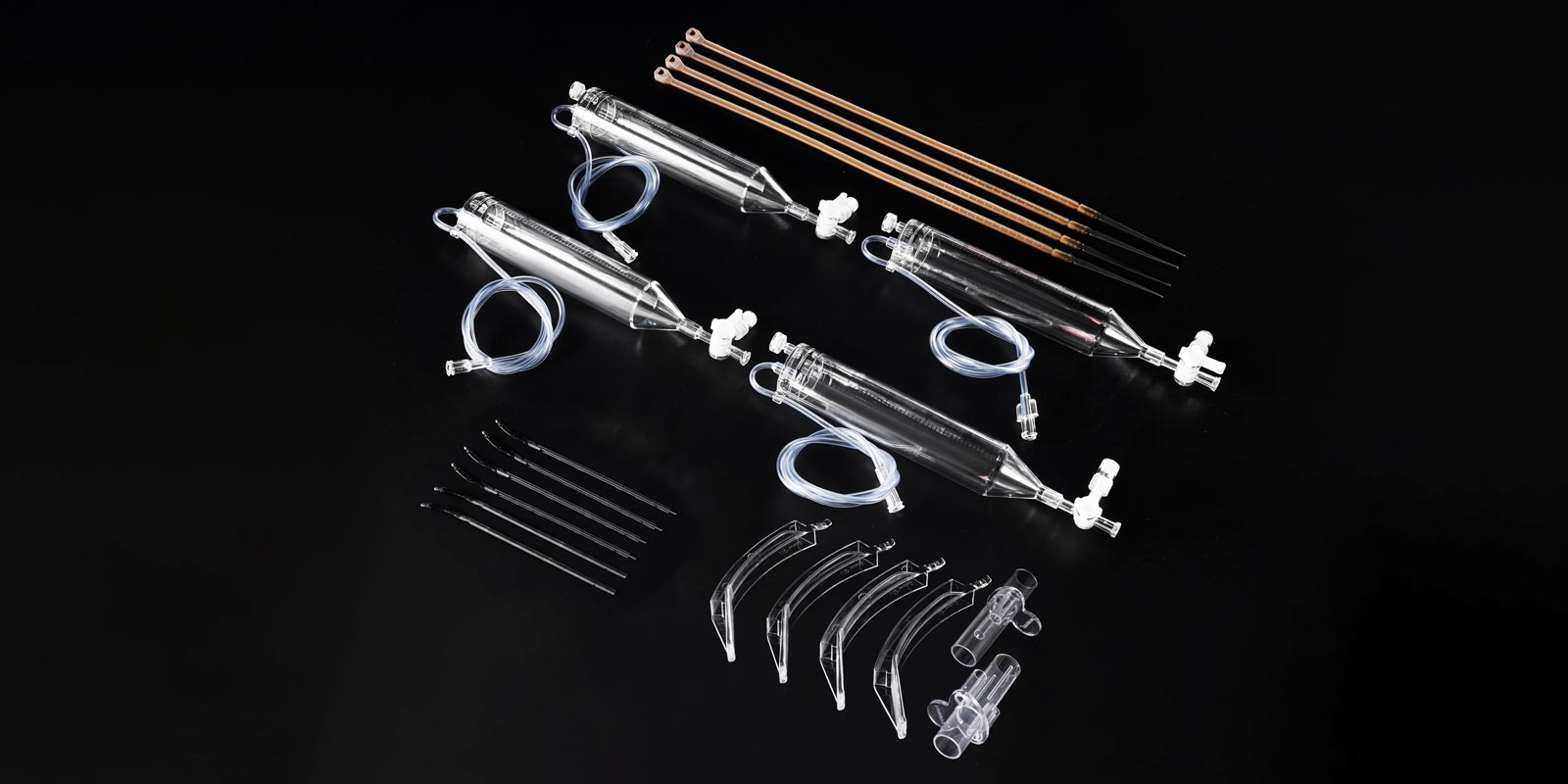
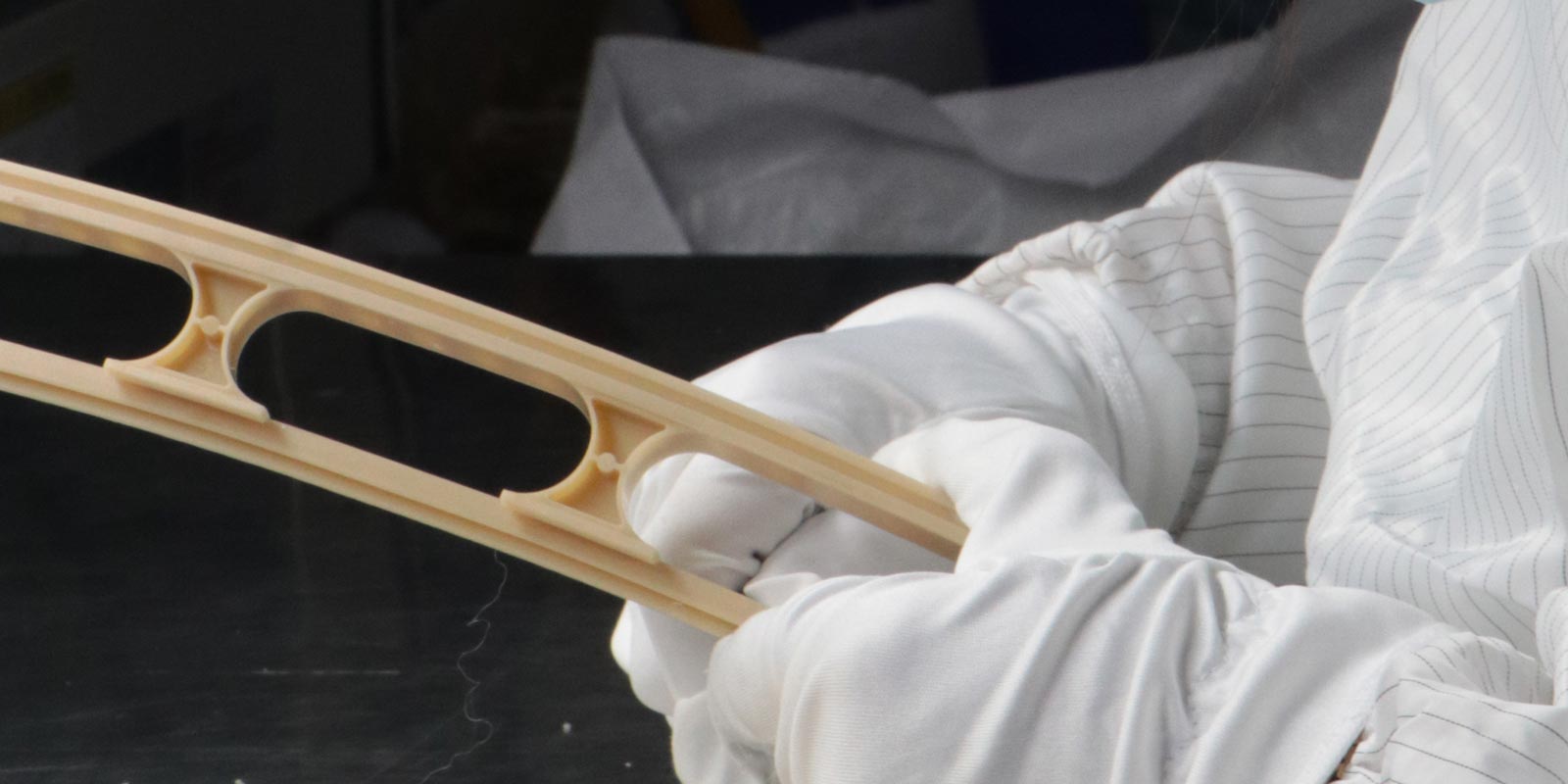
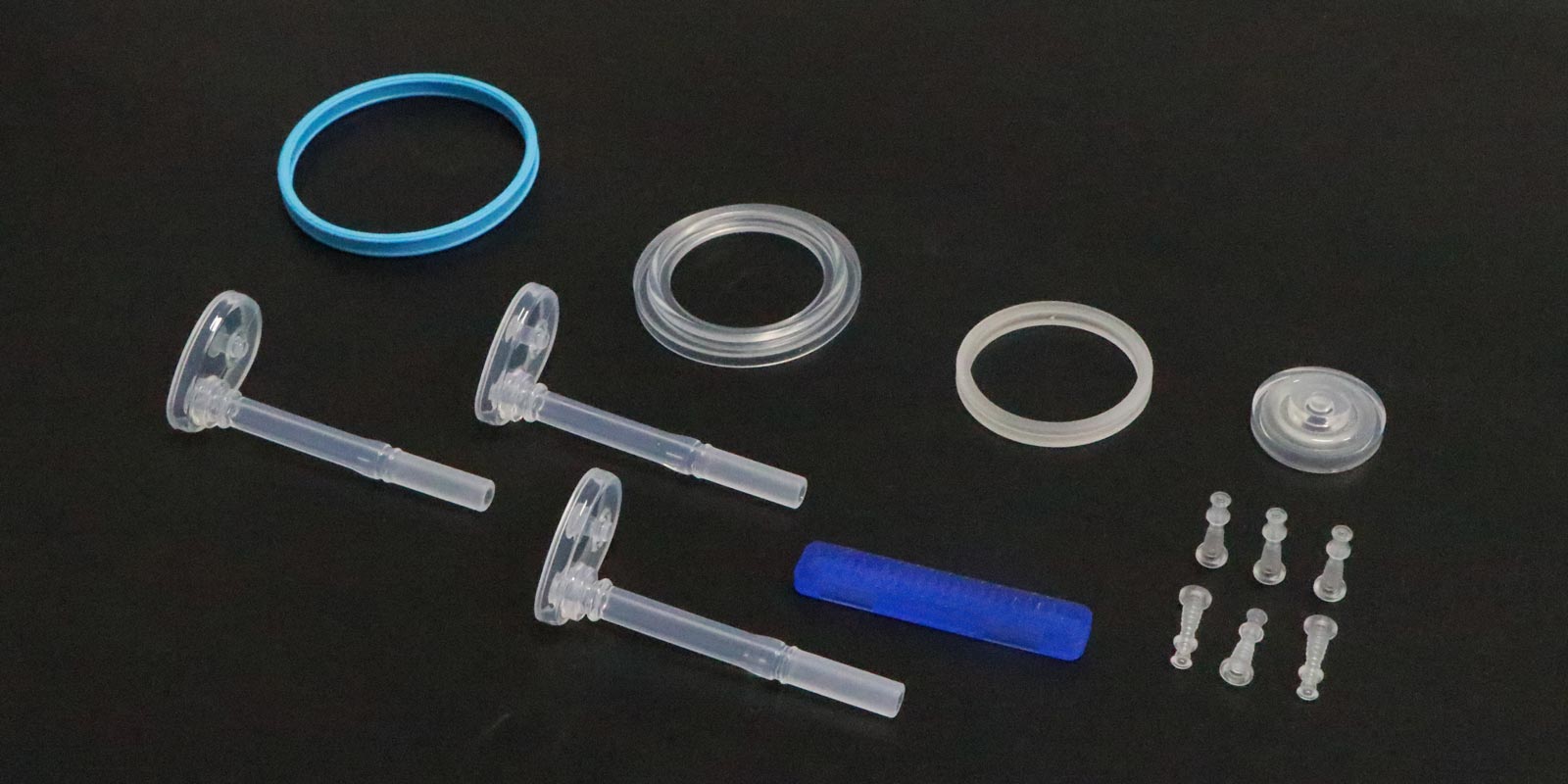



In the medical industry, injection-molded parts serve as crucial components of medical devices and equipment, with their quality directly relating to patients' lives and treatment outcomes. From disposable syringes to complex surgical instrument components, from implantable medical devices to in vitro diagnostic instruments, the applications of medical injection-molded parts are extensive and highly demanding. This article will delve into the core characteristics that medical injection-molded parts need to possess to ensure their reliability, safety, and functionality in medical settings.
The primary characteristic of medical injection-molded parts is excellent biocompatibility. This means that the materials, when in contact with human tissues or body fluids, do not trigger toxic reactions, allergic reactions, or immune rejection. Common biocompatible materials include medical-grade polypropylene (PP), polyethylene (PE), polycarbonate (PC), polyether ether ketone (PEEK), etc. These materials have undergone rigorous certification and comply with international biocompatibility standards such as ISO 10993, ensuring they do not harm the human body during long-term or short-term contact.
The precision of medical products directly affects their functional effectiveness and patient safety. For example, the needle size of syringes, the inner and outer diameters of catheters, and the size matching of implants all require extremely high manufacturing precision. Medical injection-molded parts achieve micron-level dimensional control through advanced mold design, precise injection molding processes (such as multi-stage injection and hot runner technology), and a strict quality control system, ensuring that each product meets design requirements and reducing the risk of medical accidents caused by dimensional deviations.
In medical settings, injection-molded parts may come into contact with various disinfectants, drug solutions, and body fluids, so they must possess good chemical resistance and corrosion resistance. This requires the materials to remain stable under regular disinfection conditions and resist erosion from specific chemicals, preventing material degradation or the release of harmful substances. For instance, some high-end medical injection-molded parts use special coatings or modified materials to enhance their chemical resistance and extend their service life.
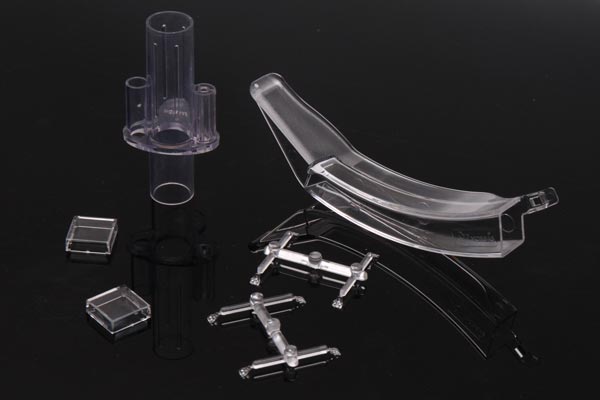
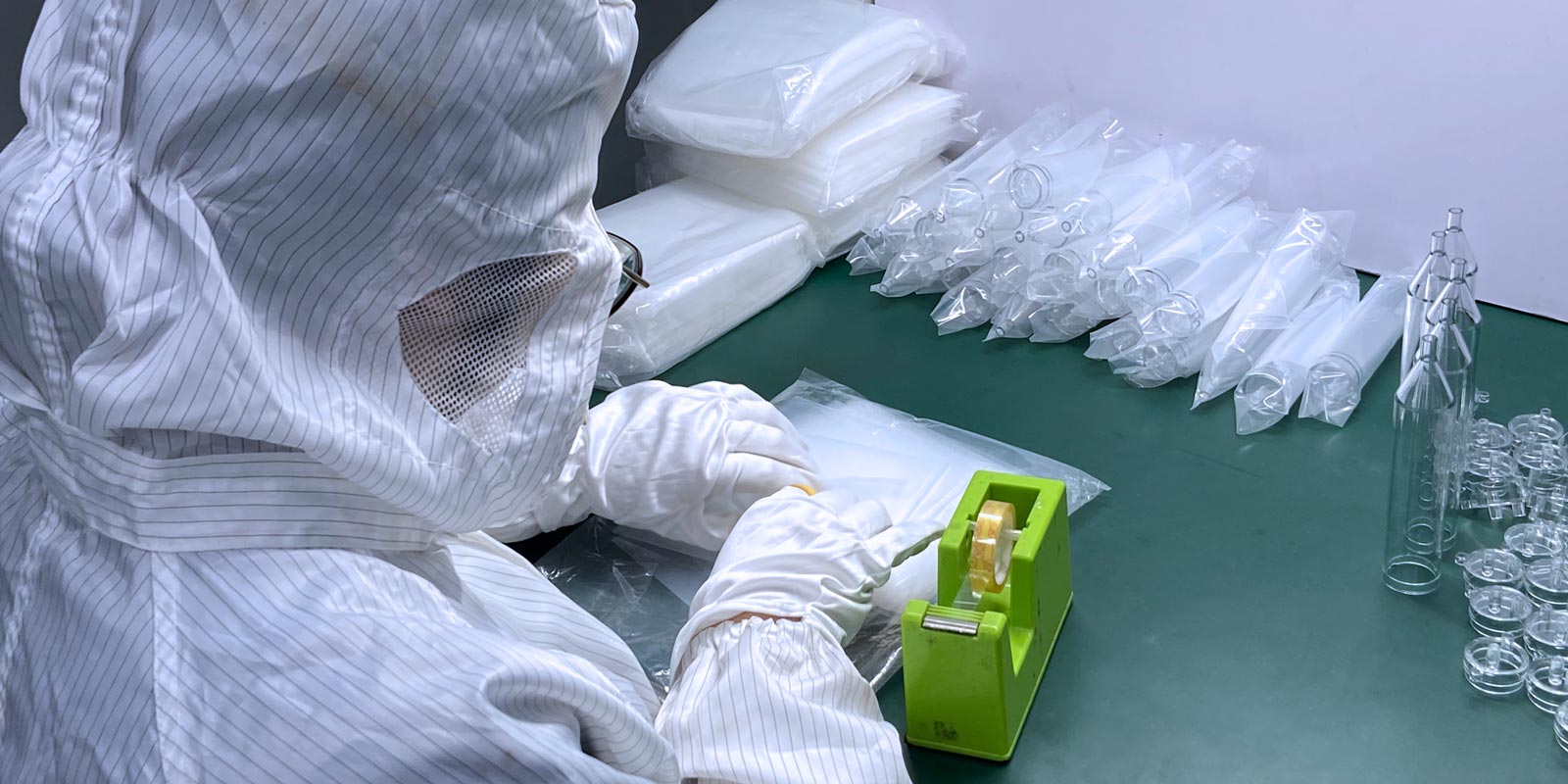
Medical injection-molded parts, especially those that directly contact patients or are used in surgical operations, must be sterile. This necessitates the use of aseptic injection molding techniques during production, such as employing cleanroom environments and sterile packaging, to ensure that products are sterile upon leaving the factory. Meanwhile, the product surface design should be smooth and free of dead corners, facilitating cleaning and disinfection and reducing opportunities for bacteria to hide and multiply, effectively preventing cross-infection.
Medical injection-molded parts often need to withstand certain mechanical stresses, such as tension, compression, and bending, especially in implantable devices where the materials require good mechanical strength and fatigue life. Additionally, the materials need to maintain stable physical and chemical properties at body temperature, without deformation or performance degradation due to temperature changes. Therefore, selecting materials with high strength, high toughness, and good thermal stability and optimizing the injection molding process are key to ensuring the long-term stability of medical injection-molded parts.
The medical industry has extremely high requirements for product traceability and compliance. Each batch of medical injection-molded parts should have complete production records, quality inspection reports, and compliance certificates to enable rapid traceability to the source and the implementation of corresponding measures in case of problems. Moreover, products must comply with relevant domestic and international regulations and standards, such as FDA (U.S. Food and Drug Administration) and CE (European Conformity) certifications, to ensure their legal circulation and use in the global market.
Conclusion
As an indispensable part of the medical industry, medical injection-molded parts' characteristics are not only reflected in material selection but also permeate every link of design, production, inspection, and use. Through comprehensive considerations of biocompatibility, high precision, chemical resistance, sterility, mechanical properties, as well as traceability and compliance, medical injection-molded parts provide a solid guarantee for medical safety and drive the continuous progress and development of medical technology. In the future, with continuous innovations in material science and injection molding technology, medical injection-molded parts will become more intelligent and personalized, better serving human health.
PREV:Why Do Medical Injection-Molded Parts Keep Failing? A Comprehensive Guide
NEXT:Requirements for Medical Plastic Injection-Molded Parts
Add: 62 Jinghai East Road, Chang'an Town, Dongguan City, Guangdong Province
Whatsapp: +86 13342659272
Email: Yuliya.chen@yizemould.com

Add: 62 Jinghai East Road, Chang'an Town, Dongguan City, Guangdong Province
Whatsapp: +86 13342659272
Email: Yuliya.chen@yizemould.com
 Home
Home