

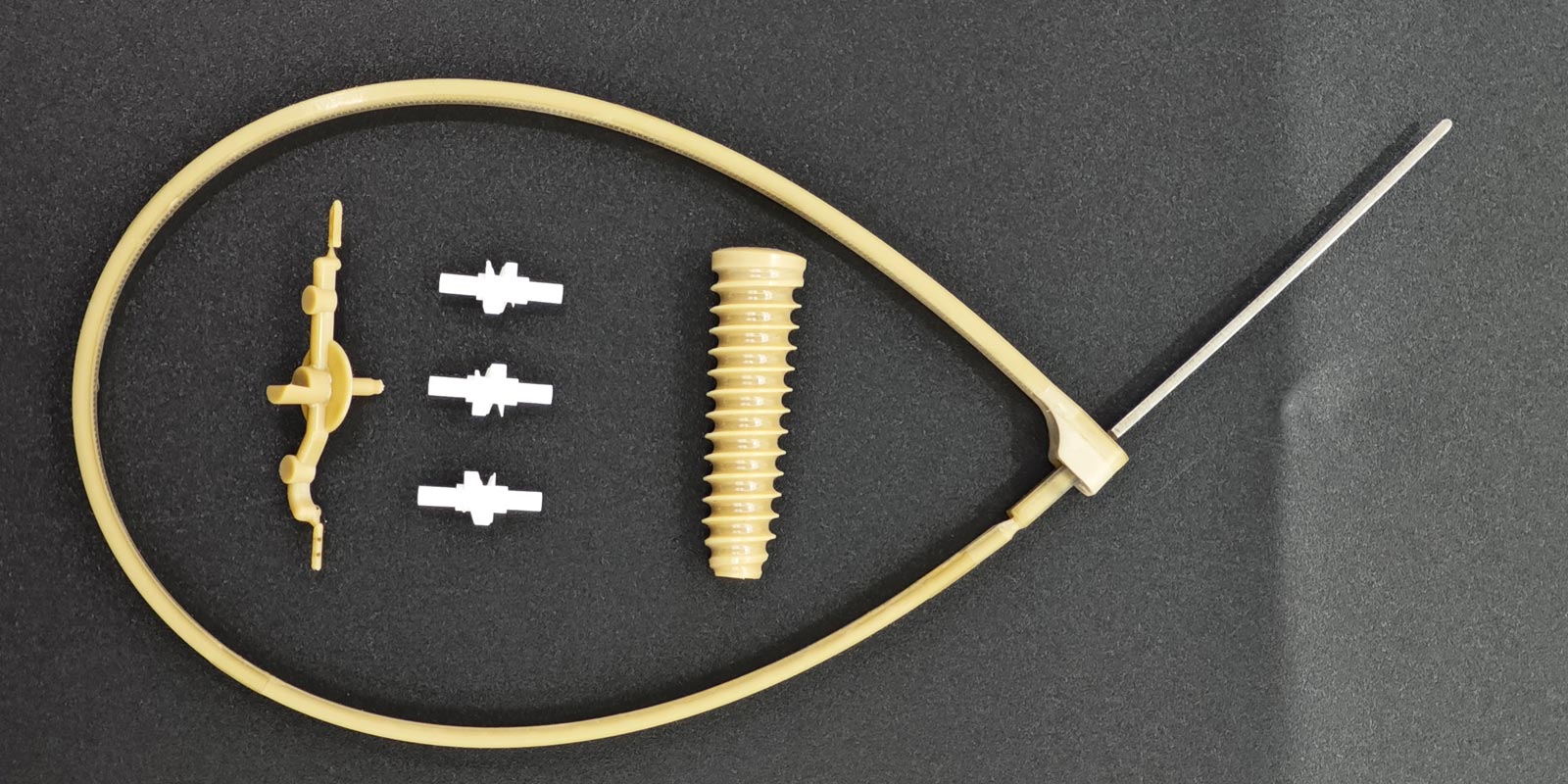
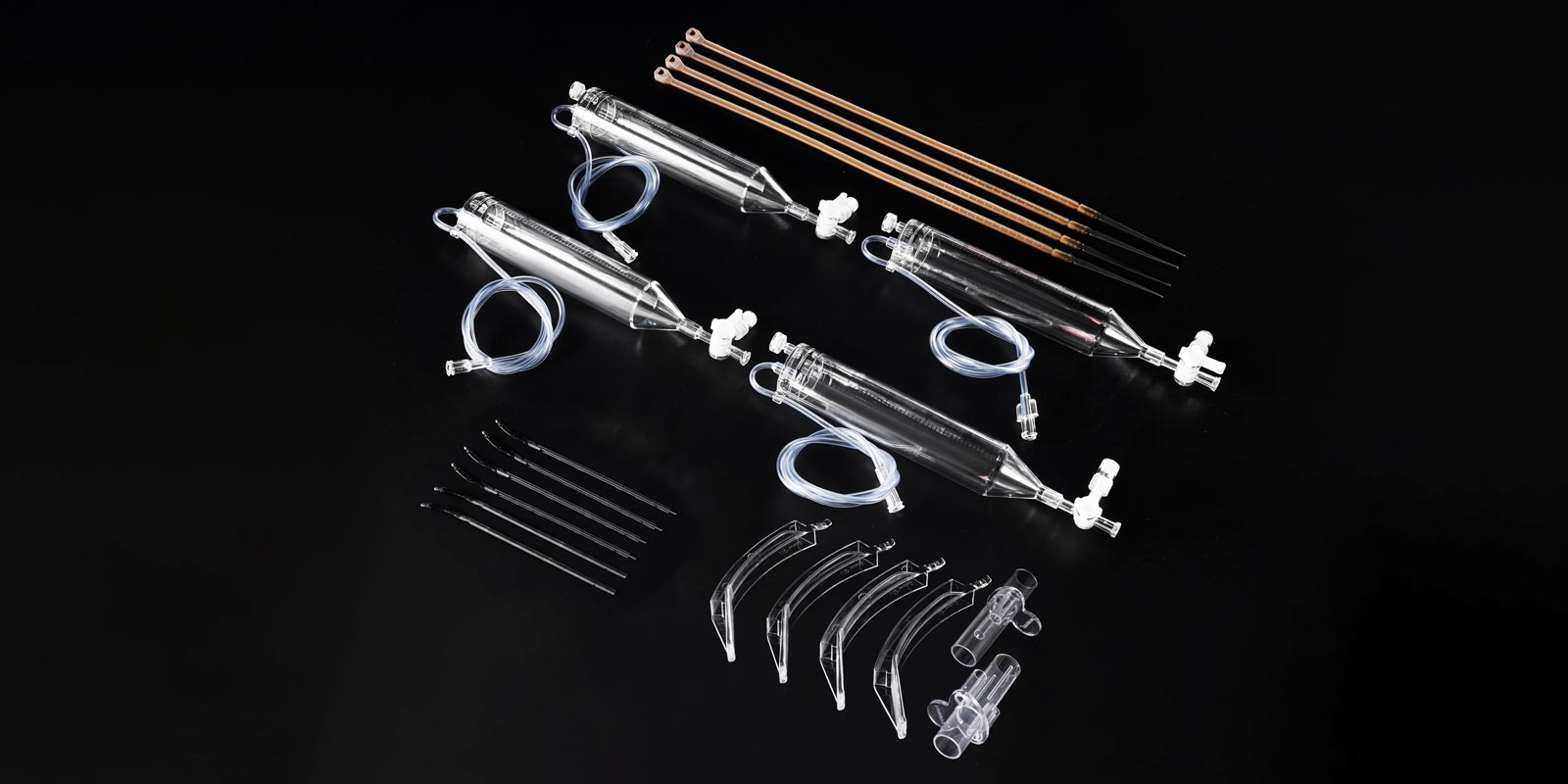
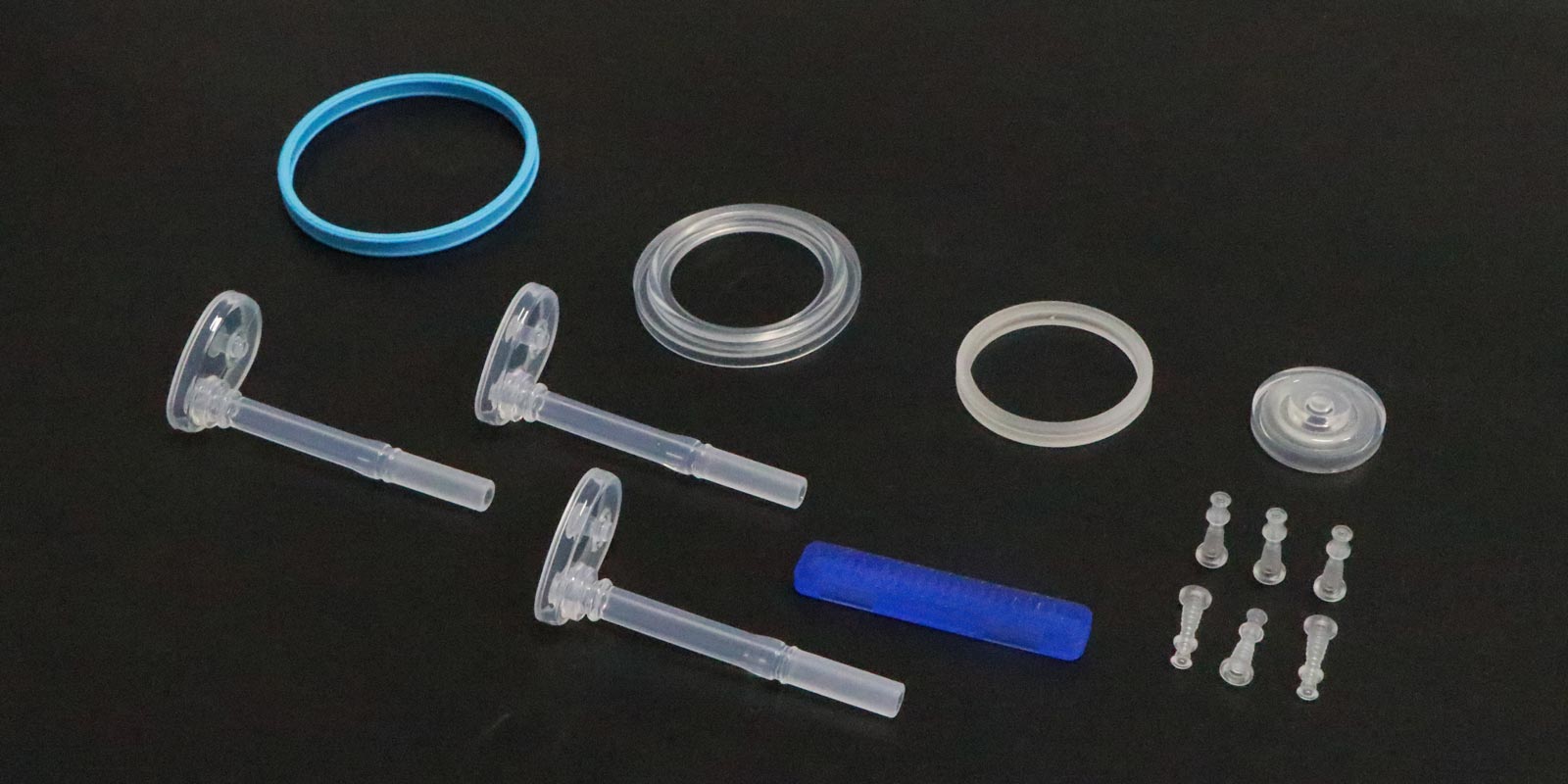



In the medical field, injection molding processing, as a crucial link in producing various medical-related products, is of utmost importance. Since medical products are directly related to patients' health and safety, medical injection molding processing has extremely strict and comprehensive requirements, covering the following aspects:
The selection of materials for medical injection molding processing is extremely stringent. High-quality medical-grade plastic materials must be used. These materials should be non-toxic, odorless, and pollution-free, eliminating potential hazards to patients from the source. At the same time, excellent biocompatibility is essential to ensure that the materials do not cause adverse reactions when in contact with human tissues and body fluids. In addition, anti-aging properties are also crucial, as they guarantee the stable performance of products during long-term use and prevent any impact on medical effects due to material aging.
Medical products have extremely high requirements for performance and safety, which means their manufacturing process must achieve high-precision standards. In injection molding processing, the design and manufacturing precision of molds are the key. Only with high-precision molds can the dimensions of the produced products be accurately ensured. Even a tiny dimensional deviation can affect product assembly, functionality, and even pose a threat to patients' safety during use. Therefore, every detail of the mold needs to be meticulously crafted to meet the precision requirements of medical products.
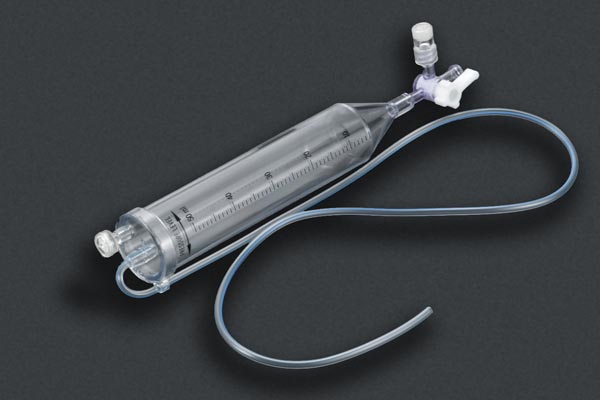
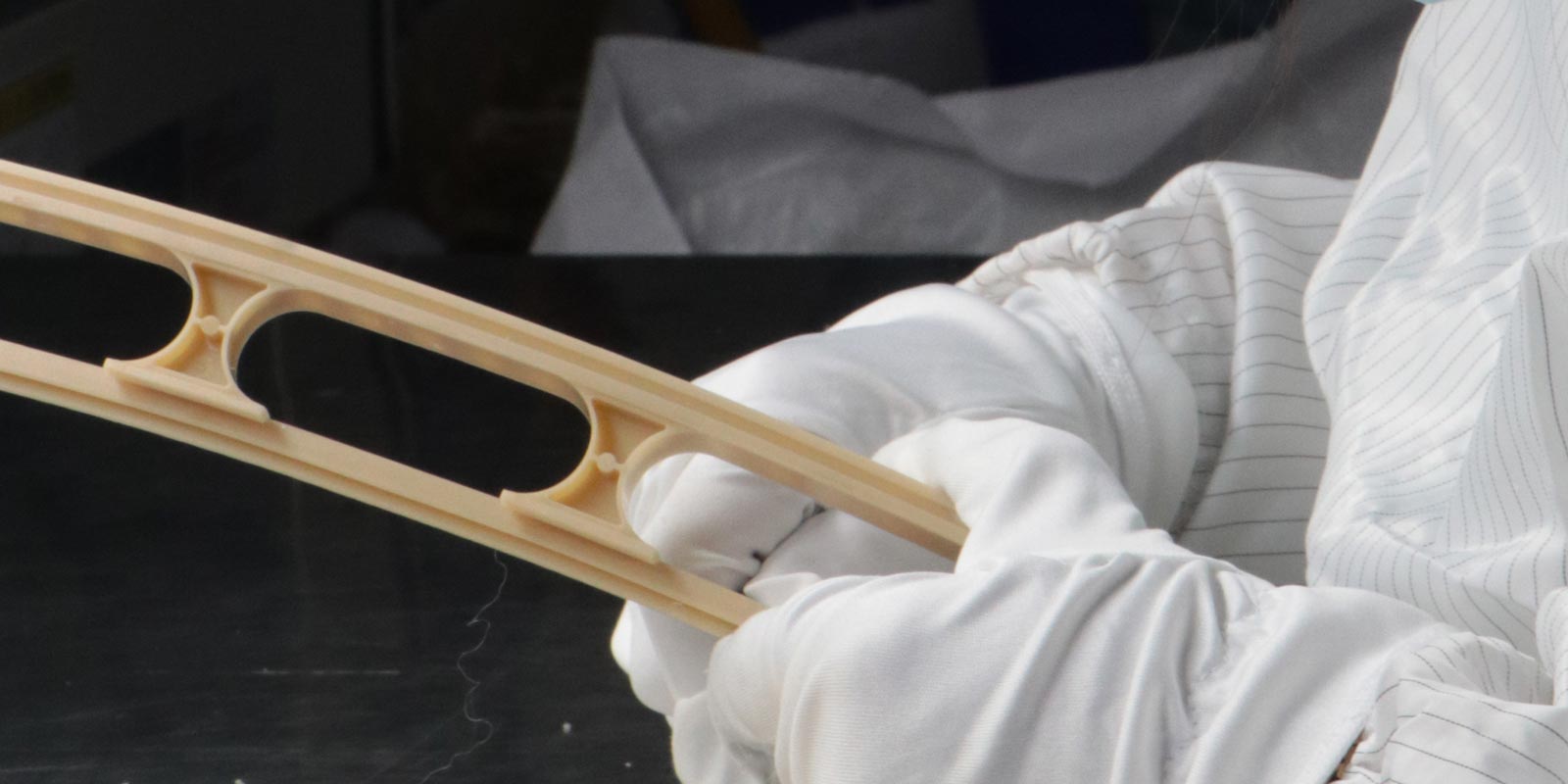
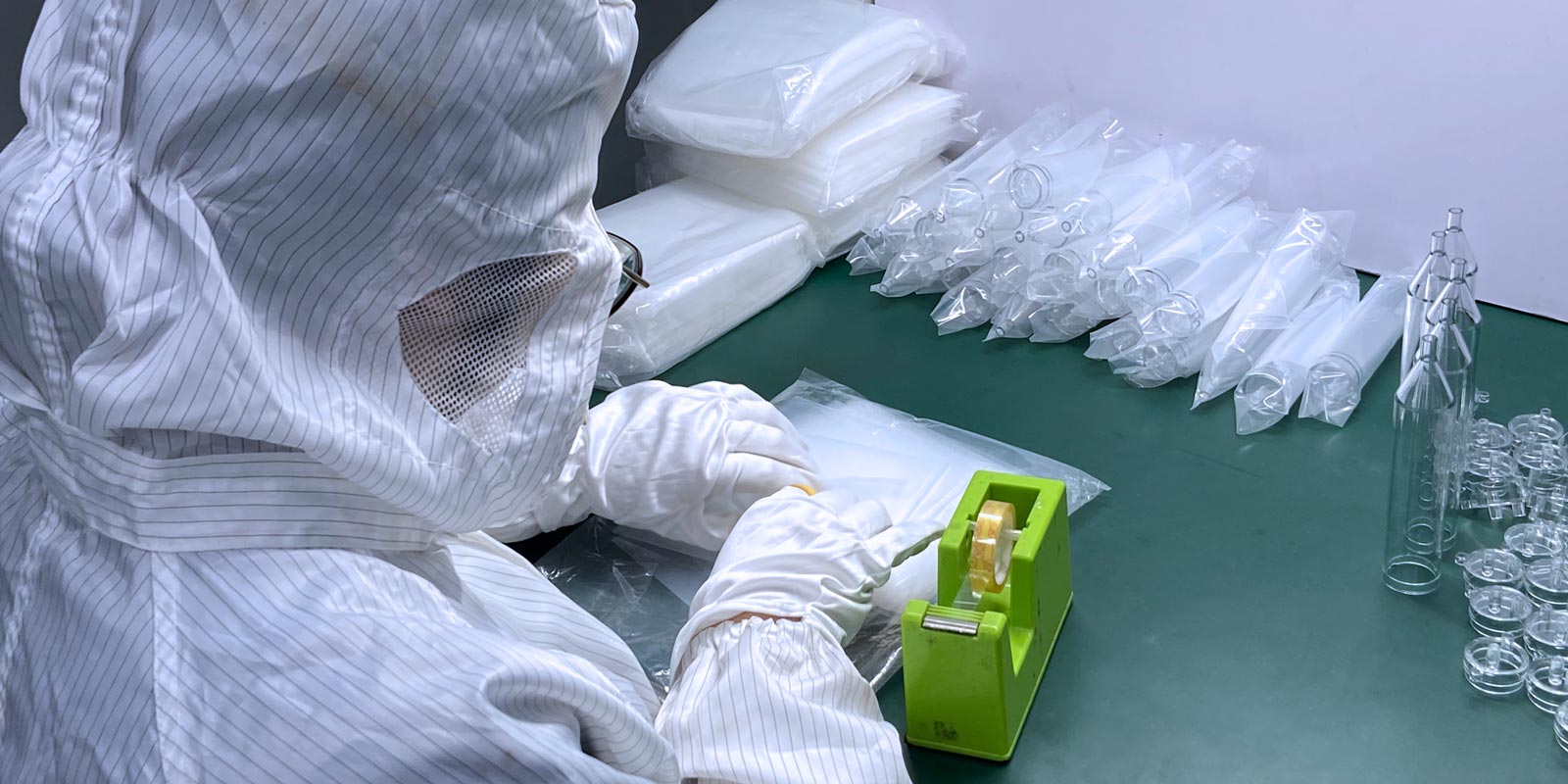
Medical products that come into direct or indirect contact with the human body must maintain a high degree of cleanliness to prevent the growth of bacteria and other contaminants. This requires the injection molding processing environment to be spotless, with comprehensive dust-proof and pollution-prevention measures in place. From the air purification system in the workshop to the hygiene regulations for operators, from the storage of raw materials to the cleaning and maintenance of production equipment, every link must be strictly controlled to ensure that products are not contaminated during the processing, thus building a solid defense for patients' health.
Some medical products, such as surgical instruments and implants, need to have sterile or sterilizable properties. This requires full consideration of the product's sterilization methods and effects during the injection molding processing. For example, the product should be able to withstand various sterilization methods such as high-temperature steam sterilization and chemical disinfection, and should not deform, be damaged, or experience performance degradation after sterilization. Only by meeting these requirements can the products truly achieve a sterile standard in clinical use and provide reliable protection for patients' safety.
There are numerous types of medical products. To facilitate medical staff and patients to accurately distinguish different types and uses of products, specific colors and identifications are usually required. During the injection molding processing, color matching and identification processing must be carried out strictly in accordance with design requirements. The accuracy of colors should meet professional standards, and the clarity and durability of identifications should also comply with regulations to ensure that they remain clearly visible throughout the product's lifecycle and avoid usage errors due to confusion.
Quality is the lifeblood of medical products, and there is no room for negligence. During the medical injection molding processing, a strict quality control system must be established, covering all aspects such as raw material inspection, in-process monitoring, and final product inspection. Raw materials should be strictly screened to ensure they meet medical-grade standards. During the production process, key process parameters should be monitored in real-time to promptly detect and correct deviations. Final products should undergo comprehensive testing, and only those that pass the strict inspection can enter the market. Through full-process and all-round quality control, it is ensured that every medical injection-molded product has reliable quality and safety.
In conclusion, medical injection molding processing is a complex and rigorous process. It requires strict control in multiple aspects such as material selection, precision control, cleanliness maintenance, sterility and sterilization treatment, color and identification specifications, and quality control. Only by meeting these stringent requirements can high-quality and safe medical products be produced, providing strong support for the development of the medical industry and the health of patients.
PREV:Why Do Medical Injection-Molded Parts Keep Failing? A Comprehensive Guide
NEXT:Comprehensive Analysis of Optimization Strategies for Medical Injection Molding Processing
Add: 62 Jinghai East Road, Chang'an Town, Dongguan City, Guangdong Province
Whatsapp: +86 13342659272
Email: Yuliya.chen@yizemould.com

Add: 62 Jinghai East Road, Chang'an Town, Dongguan City, Guangdong Province
Whatsapp: +86 13342659272
Email: Yuliya.chen@yizemould.com
 Home
Home