

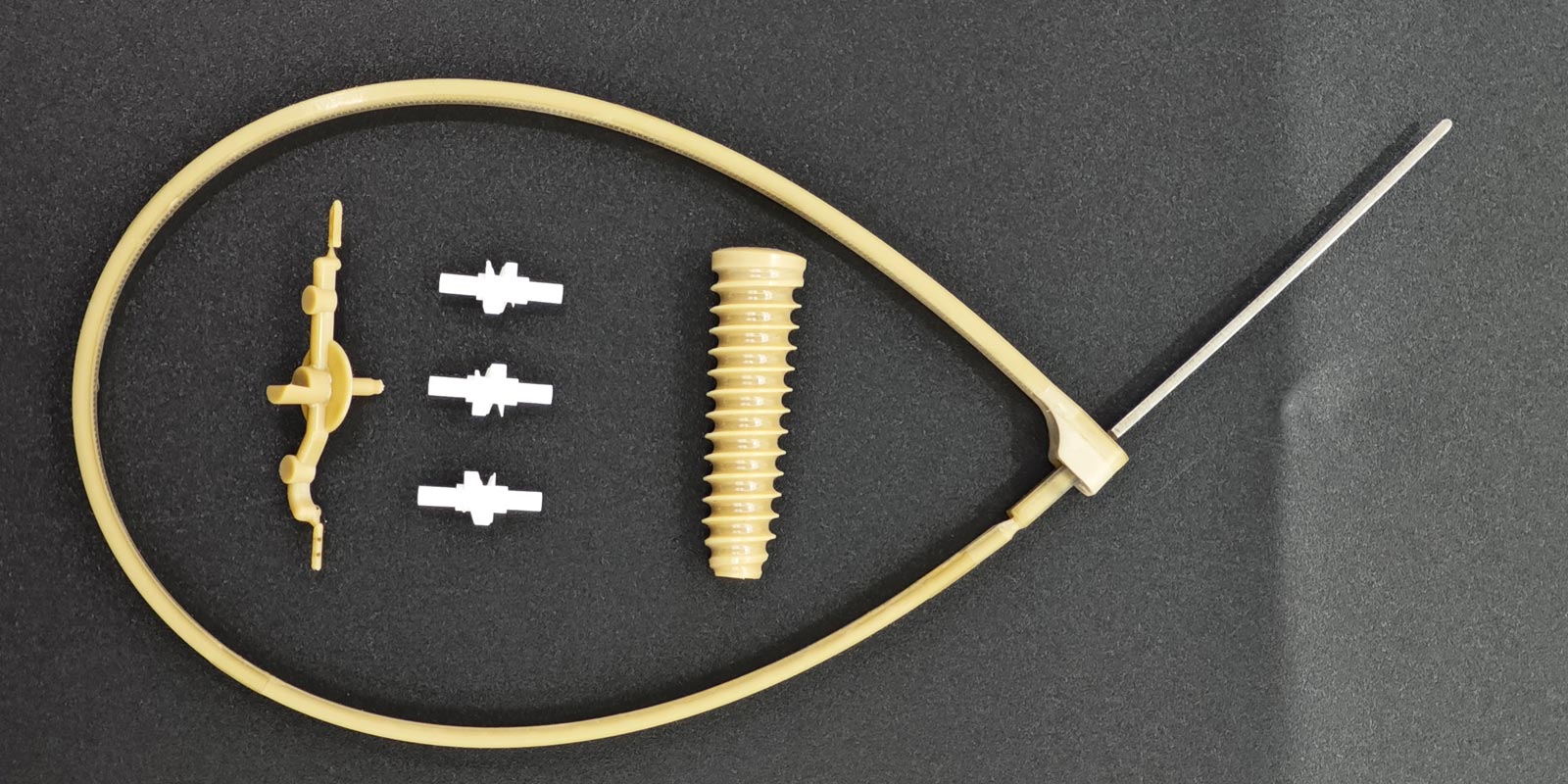
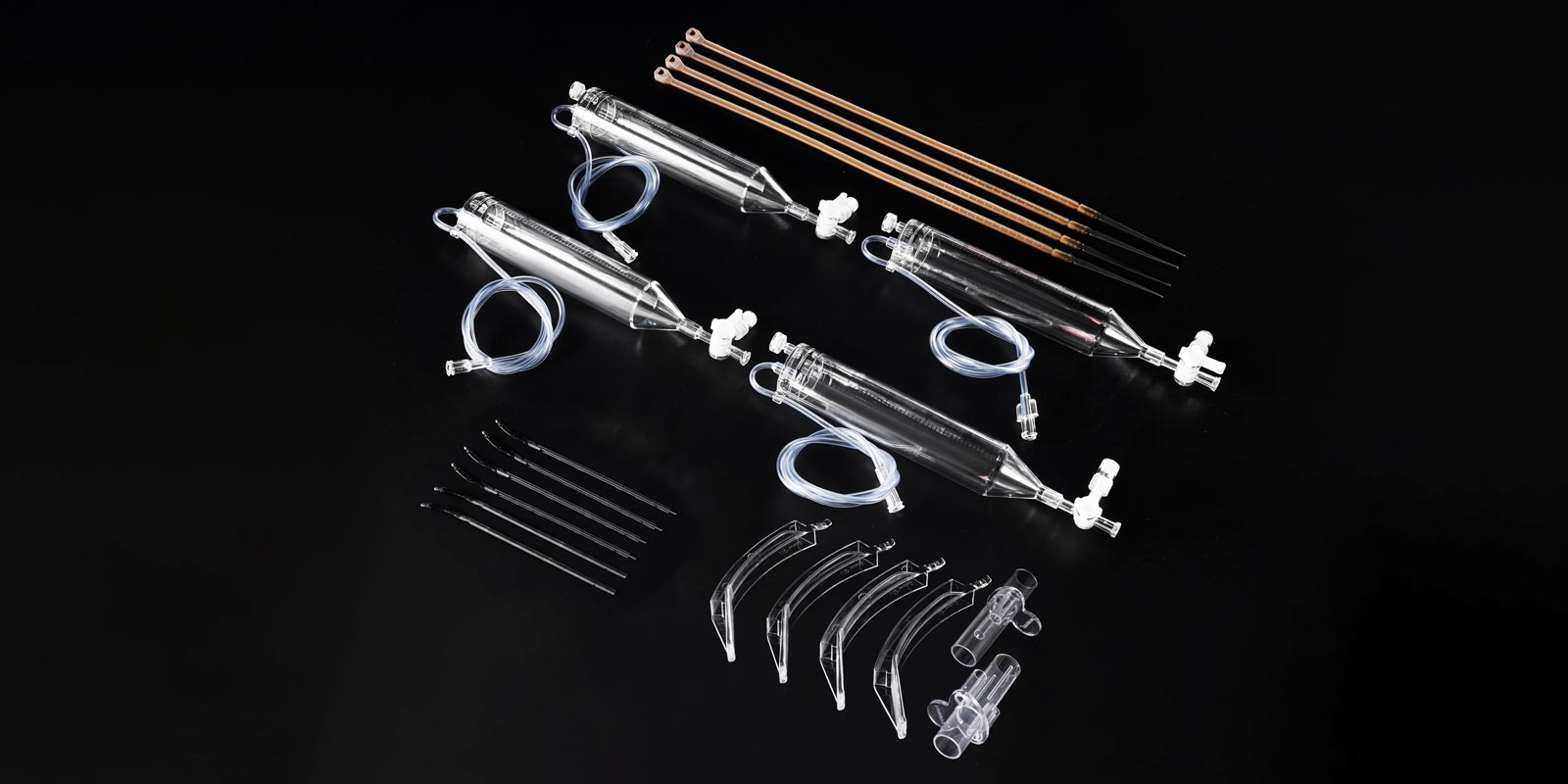
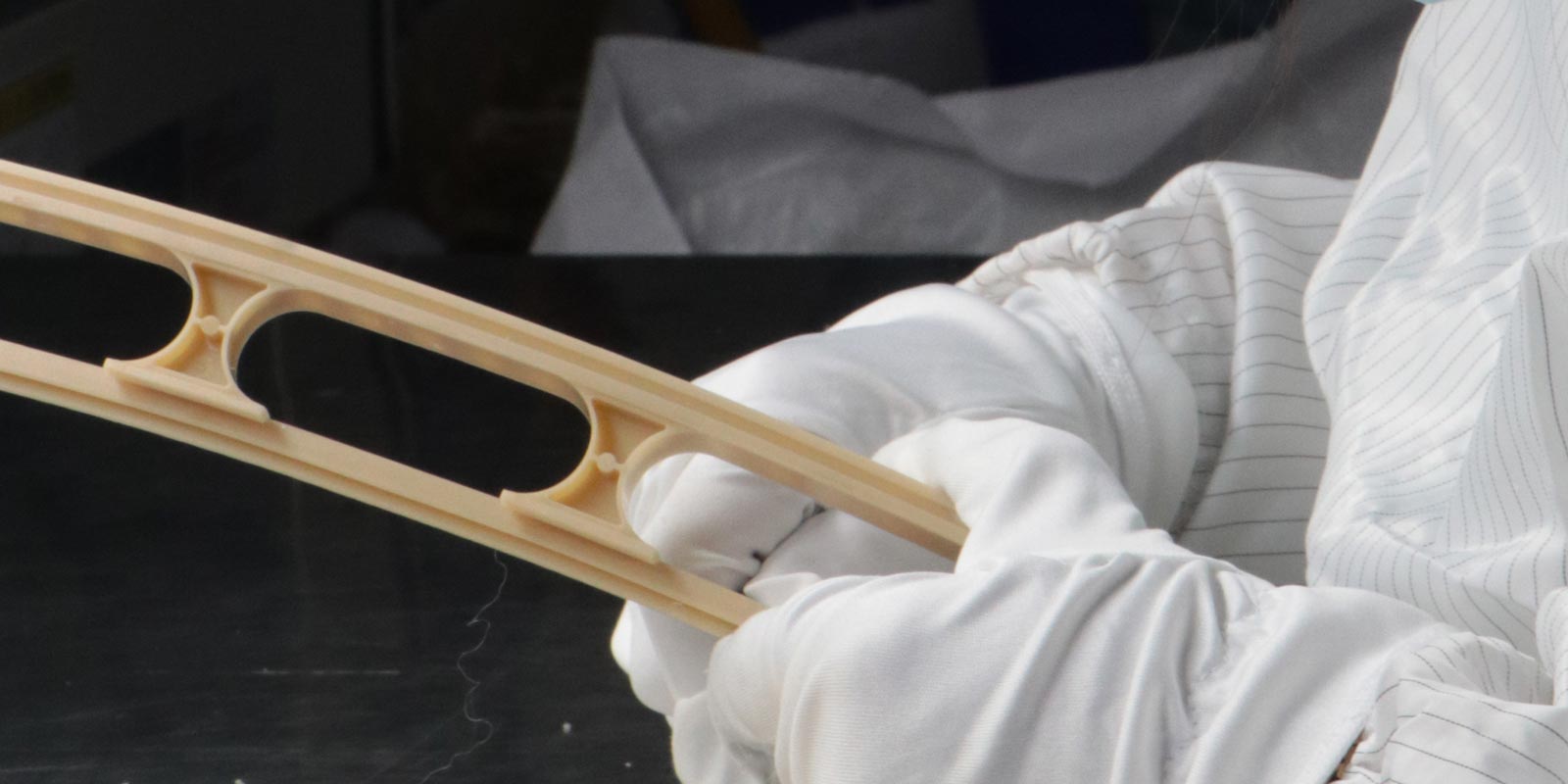
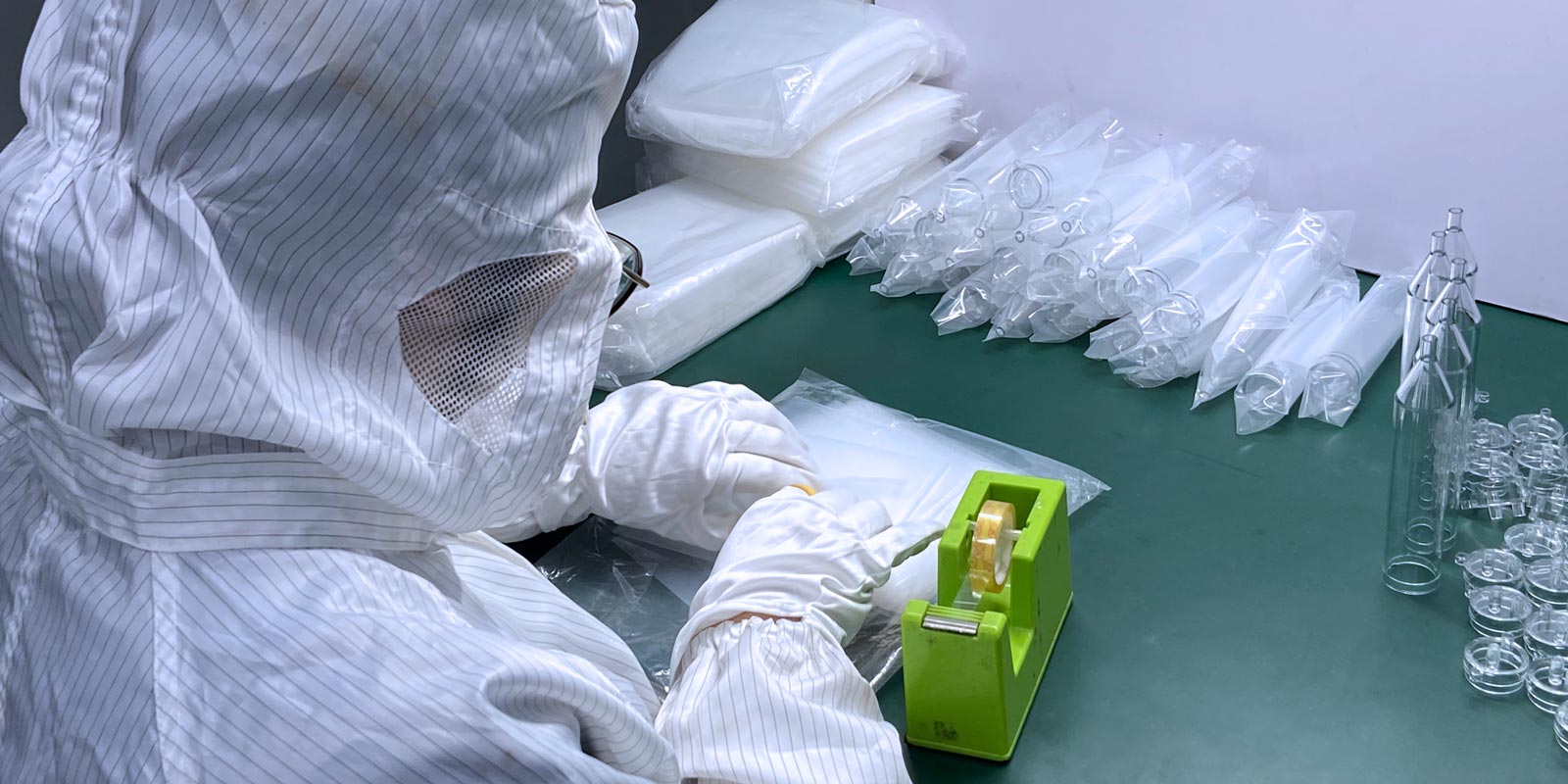
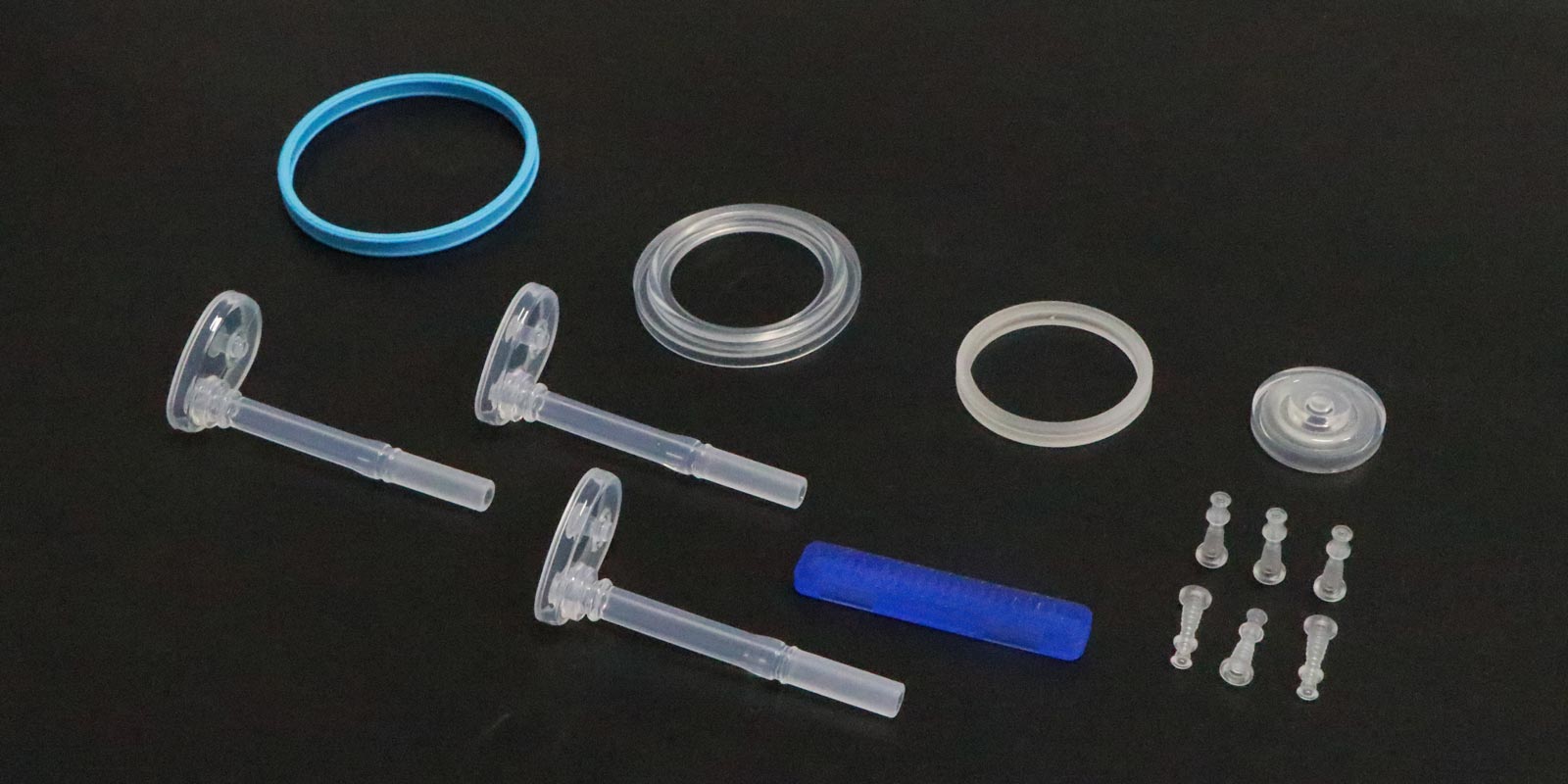



The medical industry has extremely stringent requirements for product quality, precision, and safety. Injection molding, as one of the core processes in medical device manufacturing, directly impacts the supply and quality of medical products. With the wave of intelligent manufacturing, automated injection molding production lines, with their advantages of high efficiency, precision, and controllability, are becoming the mainstream solution in the field of medical injection molding. This article will delve into the application value, technical characteristics, and future trends of automated injection molding production lines in medical injection molding, and analyze their implementation paths through real-world cases.
Medical products such as syringes, blood collection tubes, and surgical instruments require dimensional precision within the micrometer range (±0.01mm or less), and must ensure consistency in mass production. Traditional manual operations are prone to variations due to factors like fatigue and skill differences, leading to fluctuations in product qualification rates. Automated production lines, through the collaborative operation of precision molds, closed-loop control systems, and robotic arms, can achieve 24-hour stable production, reducing the product defect rate from 5% to less than 0.5%.
Medical injection molding needs to be carried out in ISO Class 7 (Class 10,000) clean rooms to prevent contamination from dust and microorganisms. Automated production lines adopt a fully enclosed design, equipped with negative ion air purification systems, oil-free lubrication servo motors, and nickel-plated templates, effectively blocking dust and oil stains. For example, the Borch FE series all-electric injection molding machines use a "tie-bar separation + linear guide" technology, enabling template movement without lubricating oil and completely eliminating the risk of hydraulic oil contamination.
Medical injection molding materials include PP, PC, PPSU, PEEK, liquid silicone rubber (LSR), etc. Different materials have significantly different requirements for temperature, pressure, and cooling rate. Automated production lines monitor parameters such as mold temperature, injection pressure, and holding pressure in real-time through the Industrial Internet of Things (IIoT) and support multi-stage injection speed adjustments. For instance, in the production of PPSU sterilization trays, the system can automatically control the mold temperature between 60-80°C and set the holding pressure at 80% of the injection pressure to ensure that the products can withstand high-temperature sterilization (134°C) without deformation.
All-electric injection molding machines replace hydraulic systems with servo motors, offering advantages such as fast response, low energy consumption, and low noise. The Donghua Machinery D-series electric injection molding machines use independent servo motors to drive actions like injection, melting, mold opening, and closing, achieving micron-level repeat positioning accuracy (≤0.01mm) and reducing energy consumption by 30% compared to traditional hydraulic machines. In the production of medical blood collection tubes, its 64-cavity mold, combined with a cycle time of 9±1 seconds, enables a daily production capacity of 1 million units per line.
Medical products have a high frequency of mold changes due to rapid updates. Automated production lines reduce mold change time from 2 hours to 15 minutes through "magnetic templates + quick-change fixtures" technology. For example, Shanghai Runtong Plastic Mould Co., Ltd. customized a sterile syringe plunger production line for Yuyue Medical, using a modular mold design that supports rapid switching between multiple product specifications, with a delivery cycle of only 7-15 days for small and medium-sized batch orders.
Medical injection molding often involves complex processes such as insert molding, two-shot molding, and microcellular injection molding. Automated production lines integrate multi-station robotic arms, visual inspection systems, and hot runner technologies to achieve full-process automation from "injection molding - insert installation - inspection - packaging." For example, Dayu Plastic Machinery's third-generation all-electric vertical injection molding machines support simultaneous injection of multiple materials, enabling one-step molding of plastic and silicone, reducing assembly steps and contamination risks.
Through the integration of the Manufacturing Execution System (MES) and Enterprise Resource Planning (ERP) data, automated production lines enable real-time production data collection, quality traceability, and process optimization. Xinmao Injection Molding Processing introduced an intelligent monitoring system that automatically identifies defects such as burrs, flash, and sink marks, and segregates defective products. In the production of PPSU surgical instruments, the system ensures a porosity rate of less than 0.1% through "segmented cooling + annealing treatment," ensuring biomechanical compatibility with bone tissue.
By constructing a digital twin model of the injection molding machine, the molding process under different materials and process parameters can be simulated, and defects such as sink marks and warping can be predicted in advance. For example, the XFC extreme-speed control technology equipped on Borch FE series injection molding machines can adjust the injection speed curve in real-time, reducing the number of mold trials from 5 to 2.
With the increasing use of PLA, PGA, and other biodegradable materials in short-term implantable devices (such as suture anchors), automated production lines need to optimize the degradation rate control process. By adjusting the molecular weight distribution and adding chain extenders, PLA anchors can completely degrade within 6-12 months in the body while maintaining initial mechanical strength.
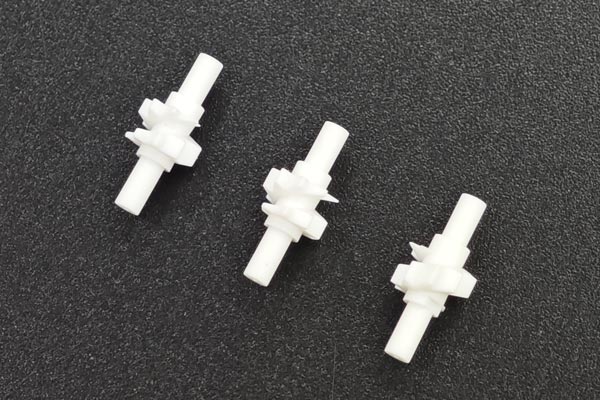
For personalized drug delivery devices for cancer patients, micro-nano injection molding technology can mold micro-valves and gears with dimensions ≤0.1mm. Combined with 3D printing rapid mold technology, customized prosthetic socket injection molds can be manufactured within 24 hours, enabling "mass customization" production.
A: Taking a medium-sized production line (annual production capacity of 50 million units) as an example, with an initial investment of approximately 20 million yuan, through cost reductions in labor (reducing operating personnel by 50%), improving product qualification rates (increasing by 15%), and shortening mold change times (saving 80% of downtime), the investment can usually be recovered within 2-3 years.
A: Yes. Modern automated injection molding machines support the switching between multiple materials such as PP, PC, PPSU, PEEK, and LSR. By replacing the screw, barrel, and adjusting process parameters, material compatibility can be achieved. For example, the mold design by Shanghai Runtong can be adapted to 12 types of medical-grade plastics, meeting the performance requirements of different products.
A: Medical data involves patient privacy and product compliance and needs to be certified under the ISO 27001 Information Security Management System. The production line should adopt encrypted communication protocols, hierarchical permission management, and audit trail functions to prevent data leakage or tampering. For example, the MES system of Donghua Machinery supports blockchain technology to ensure that production data is tamper-proof and traceable.
A: Yes. Through a Flexible Manufacturing System (FMS) and quick mold change technology, automated production lines can efficiently handle small-batch orders. For example, Xinmao Injection Molding Processing's "front-end design + full-process visualization" model supports mold adjustment and process verification within 7 days, meeting customized requirements.
Automated injection molding production lines have become the core tool for improving efficiency, ensuring quality, and reducing risks in the field of medical injection molding. From all-electric drive technology to intelligent quality control, from multi-process integration to flexible production, technological innovations are constantly breaking the boundaries of medical manufacturing. In the future, with the maturity of digital twin, biodegradable materials, and micro-nano injection molding technologies, automated production lines will further drive the medical industry towards greater precision and sustainability. For medical enterprises, choosing an automated solution provider with technological adaptability, reliable quality control, and comprehensive services will be the key to winning market competition.
Add: 62 Jinghai East Road, Chang'an Town, Dongguan City, Guangdong Province
Whatsapp: +86 13342659272
Email: Yuliya.chen@yizemould.com

Add: 62 Jinghai East Road, Chang'an Town, Dongguan City, Guangdong Province
Whatsapp: +86 13342659272
Email: Yuliya.chen@yizemould.com
 Home
Home