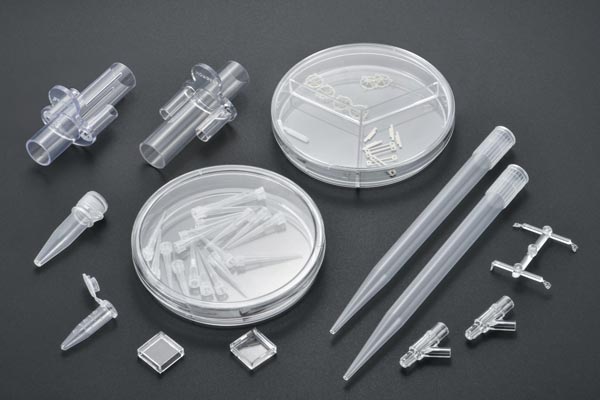
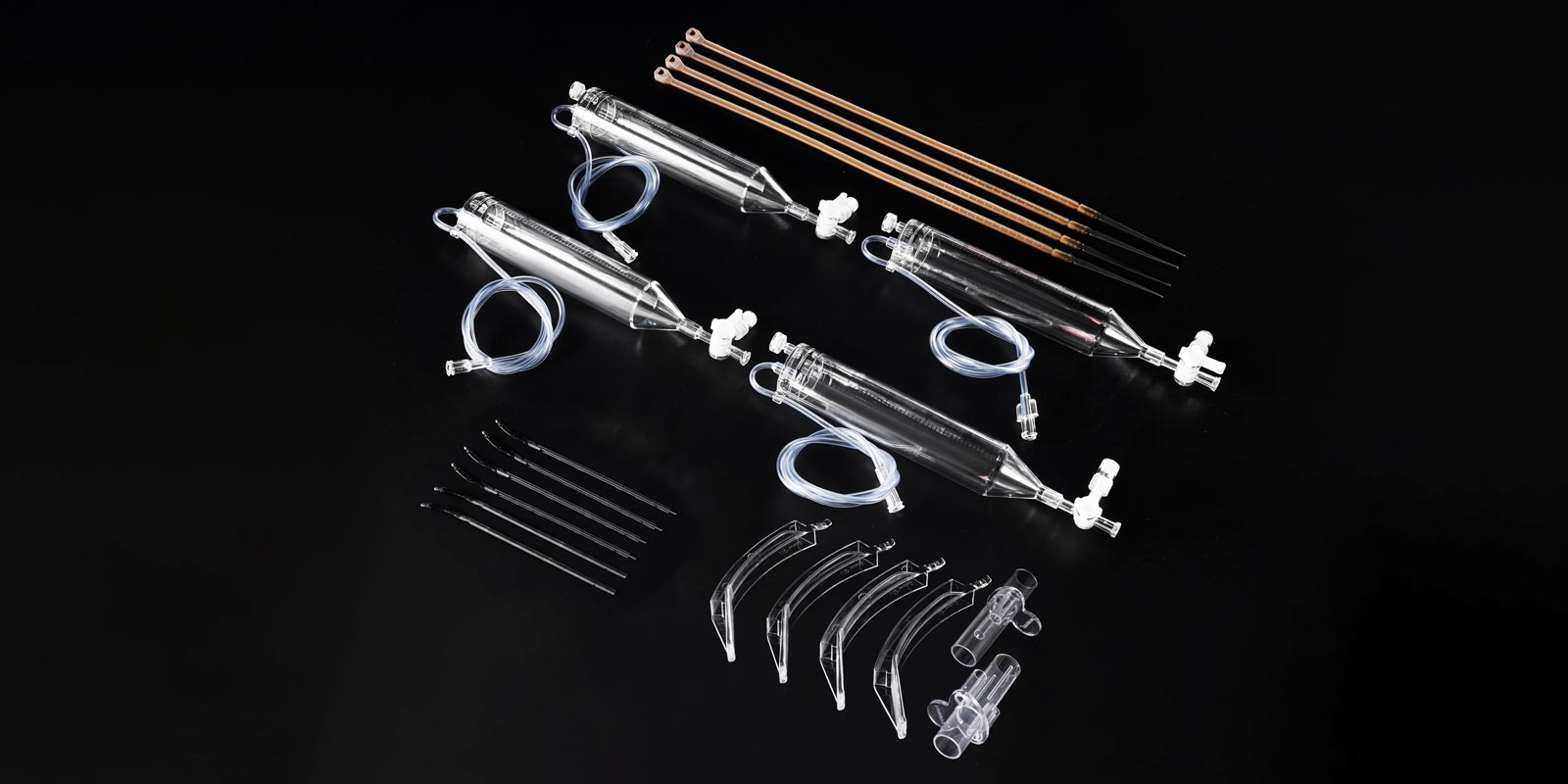
Medical injection-molded parts are critical components of medical devices, with their precision and surface quality directly impacting functionality, safety, and patient experience. From surgical instruments to implants, diagnostic equipment to drug delivery systems, medical injection-molded parts must meet stringent industry standards (e.g., ISO 13485, FDA). This article systematically explores key strategies to enhance the precision and surface quality of medical injection-molded parts from dimensions such as material selection, mold design, process optimization, and quality control.
1. Material Selection: Laying the Foundation for Quality
Medical injection-molded parts require materials with biocompatibility, chemical resistance, high strength, and stability while meeting the processing requirements of injection molding.
-
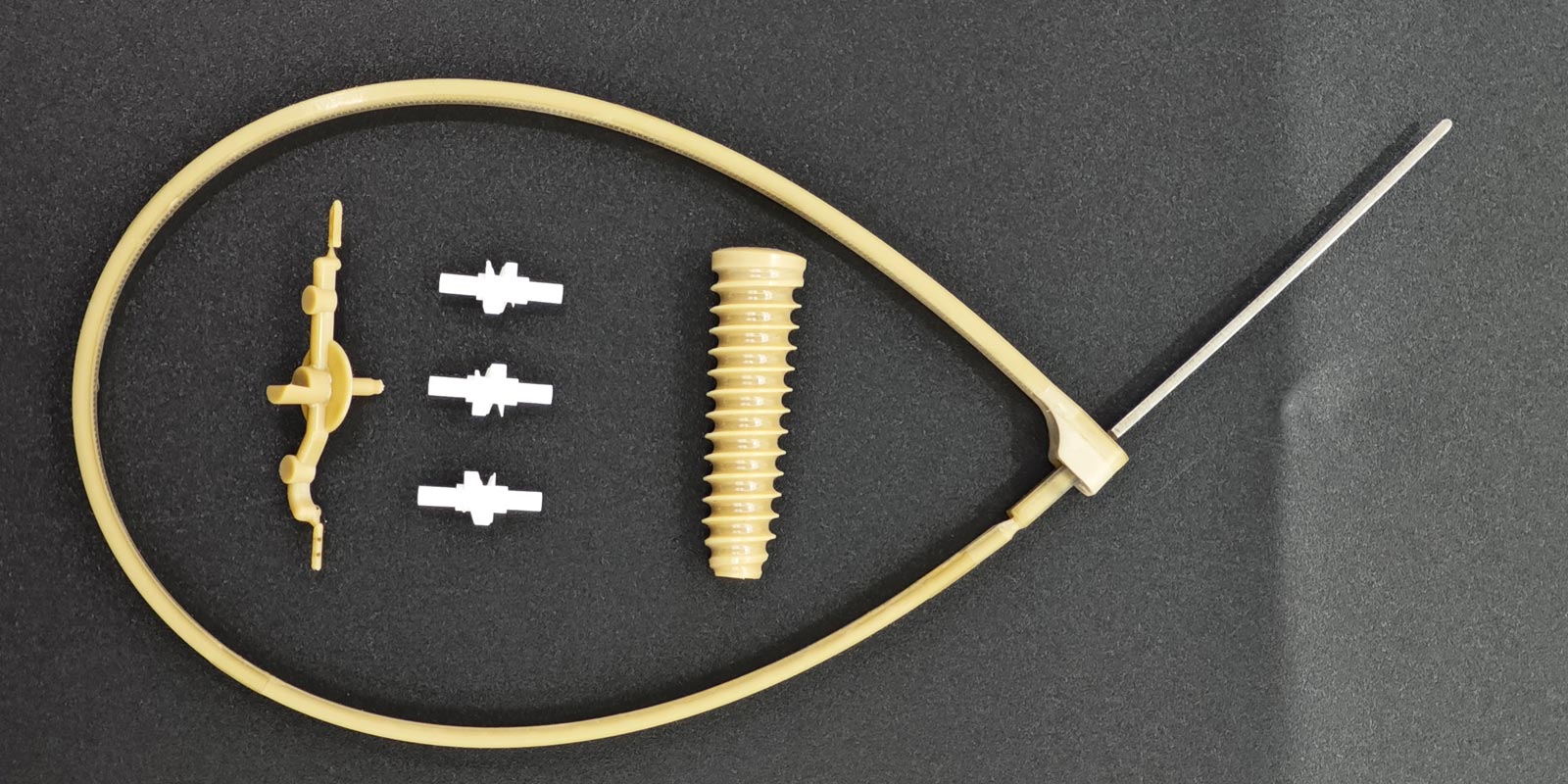
Biocompatibility First: Choose materials compliant with USP Class VI or ISO 10993 standards (e.g., medical-grade PP, PE, PC, PPSU, silicone) to avoid degradation or harmful substance release.
-
Optimized Flowability: For thin-walled or complex parts, select high-flow materials (e.g., LCP, PA12) to reduce filling resistance and internal stress.
-
Additive Control: Avoid materials containing lubricants or plasticizers to prevent surface blooming that affects performance.
-
Color and Transparency: Medical products often require transparency or specific colors. Use color masterbatches for precise调配 (调配: blending/mixing, adjusted here for clarity as "precise color matching") and select non-discoloring, anti-yellowing materials.
2. Mold Design: The Source of Precision and Surface Quality
Mold design is the core of injection-molded part quality, requiring structural rationality, processing precision, and surface treatment.
-
Parting Line and Gate Design:
-
Use submarine gates or pinpoint gates to minimize gate marks on surfaces.
-
Position parting lines away from functional surfaces to avoid flash.
-
Cooling System Optimization:
-
Design balanced cooling channels to ensure uniform mold temperature and reduce warping.
-
For high-precision areas (e.g., optical components), use conformal cooling to enhance dimensional stability.
-
Venting System Design:
-
Add vent slots at parting lines and core ends to prevent air traps, which cause burns or flow marks.
-
Surface Treatment:
-
Polish mold cavities to a mirror finish (Ra ≤ 0.05μm) to reduce surface roughness.
-
Apply chrome plating or PVD coatings for high-gloss products to improve wear resistance and demolding.
3. Process Optimization: Fine-Tuning Key Parameters
Injection molding parameters directly affect part precision and surface quality. Optimize the following through Design of Experiments (DOE):
-
Temperature Control:
-
Barrel temperature: Adjust based on material flowability to avoid decomposition (e.g., PPSU requires 360–380°C).
-
Mold temperature: Maintain constant temperature (±1°C) for high-precision parts to reduce shrinkage variability.
-
Pressure and Speed:
-
Injection pressure: Use multi-stage packing to balance filling and internal stress (e.g., high pressure for thin-walled parts).
-
Injection speed: High-speed filling reduces weld lines but must avoid turbulence-induced surface defects.
-
Packing and Cooling:
-
Packing time: Adjust based on part wall thickness to prevent sink marks or over-packing-induced stress concentration.
-
Cooling time: Ensure sufficient cooling to minimize demolding deformation while balancing productivity.
-
Demolding Control:
-
Use pneumatic or angled ejectors to avoid ejector marks or stretching.
-
For transparent parts, delay demolding to reduce internal stress-induced cracking.
4. Quality Control: Full-Process Traceability and Inspection
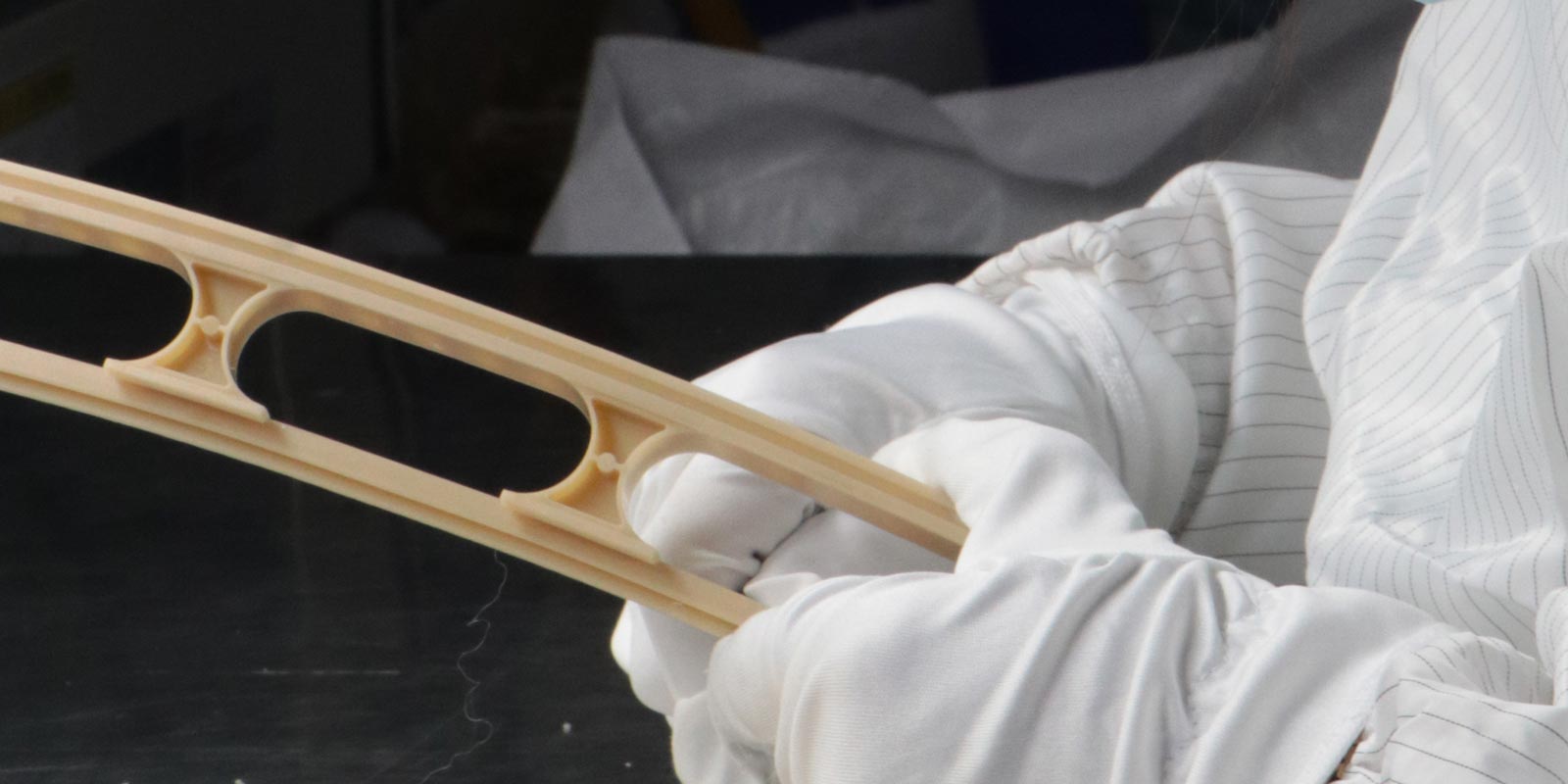
Medical injection-molded parts require rigorous quality testing to ensure compliance. Establish a full-process traceability system from raw materials to finished products.
-
Inline Inspection:
-
Use machine vision systems to detect surface defects (e.g., scratches, flow marks, sink marks).
-
Inspect critical dimensions (e.g., bore diameter, wall thickness) via laser scanning or Coordinate Measuring Machines (CMMs).
-
Lab Testing:
-
Biocompatibility tests (e.g., cytotoxicity, sensitization).
-
Chemical resistance tests (e.g., sterilant compatibility, drug interaction).
-
Process Capability Analysis:
-
Calculate CPK values (≥1.33) to ensure process stability.
-
Implement Statistical Process Control (SPC) for real-time monitoring of critical dimension fluctuations.
5. Advanced Technologies: Breaking Traditional Limits
-
Micro-Injection Molding: Ideal for miniature parts (e.g., endoscope components), achieving micrometer-level precision through high-precision molds and nanoscale control.
-
Multi-Component Injection Molding: Integrates soft and hard materials (e.g., silicone + PC) to enhance functionality and sealing.
-
3D-Printed Molds: Accelerates design verification and shortens development cycles, especially for low-volume, highly complex parts.
-
Smart Manufacturing: AI algorithms predict process parameters, while IoT enables real-time adjustments to reduce human error.
Conclusion
Improving the precision and surface quality of medical injection-molded parts requires collaborative optimization across materials, molds, processes, and inspection. As the medical industry demands more personalized and minimally invasive solutions, injection molding is evolving toward higher precision and integration. Companies must invest in R&D, leverage advanced manufacturing technologies, and adhere to strict quality management systems to gain a competitive edge in the global medical market and ultimately deliver safer, more reliable products to patients.






 Home
Home