

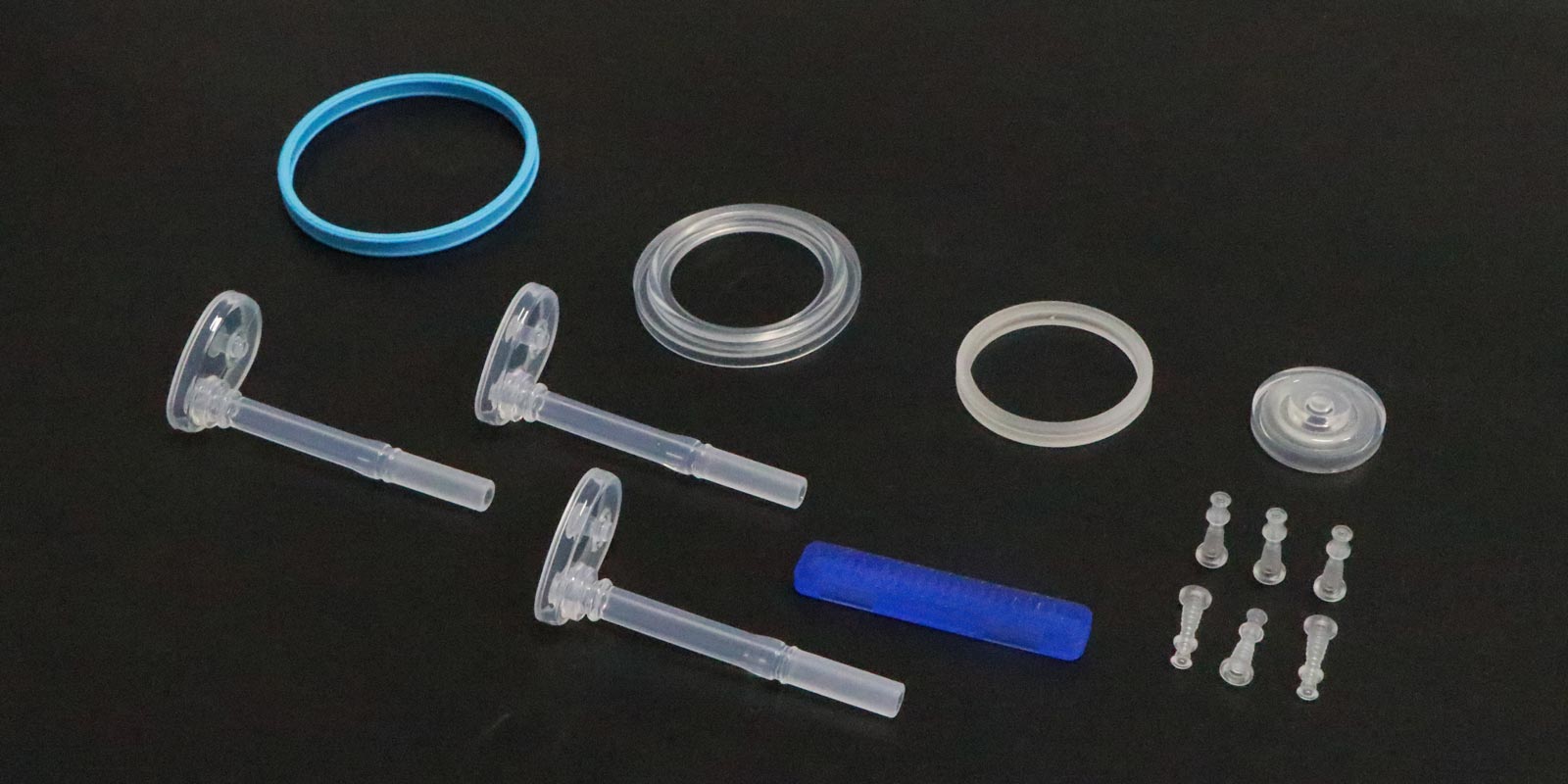



Medical injection molding technology, as a core aspect of medical device manufacturing, directly impacts the precision, safety, and reliability of products. With the intensification of population aging, the growing demand for chronic disease management, and the widespread adoption of minimally invasive medical technologies, medical injection molding technology is undergoing a transformation from traditional manufacturing to intelligent, precision-oriented, and green manufacturing. This article will explore the current state and future prospects of medical injection molding technology from three dimensions: technological progress, industry trends, and future challenges.
1. High-Precision Molds and Miniaturization Manufacturing
Medical components have extremely stringent requirements for dimensional tolerances. For example, orthopedic implants and neurosurgical instruments need to achieve a precision of ±0.001mm. In recent years, the application of five-axis linkage CNC machining centers, laser interferometer calibration technology, and blue-light 3D scanning inspection systems has significantly improved mold processing precision. For instance, through digital twin technology to simulate the mold lifecycle, processing parameters can be optimized in advance, enabling mold precision to be stabilized within ±0.0015mm and the product forming qualification rate to be increased to 99.9%.
Miniaturization is another important trend. Micro-injection molding technology can manufacture medical components weighing only a few milligrams, such as micro-lenses for endoscopes and drug-release capsules. The combination of mirror-finish CNC machining and EDM technology has achieved a mold surface roughness of less than Ra0.01μm, meeting aseptic-grade requirements. Meanwhile, by using metal 3D printing to create conformal cooling channels, the problem of residual stress in high-temperature engineering plastics has been solved, improving the yield of micro-components.
2. Material Innovation and Breakthroughs in Biocompatibility
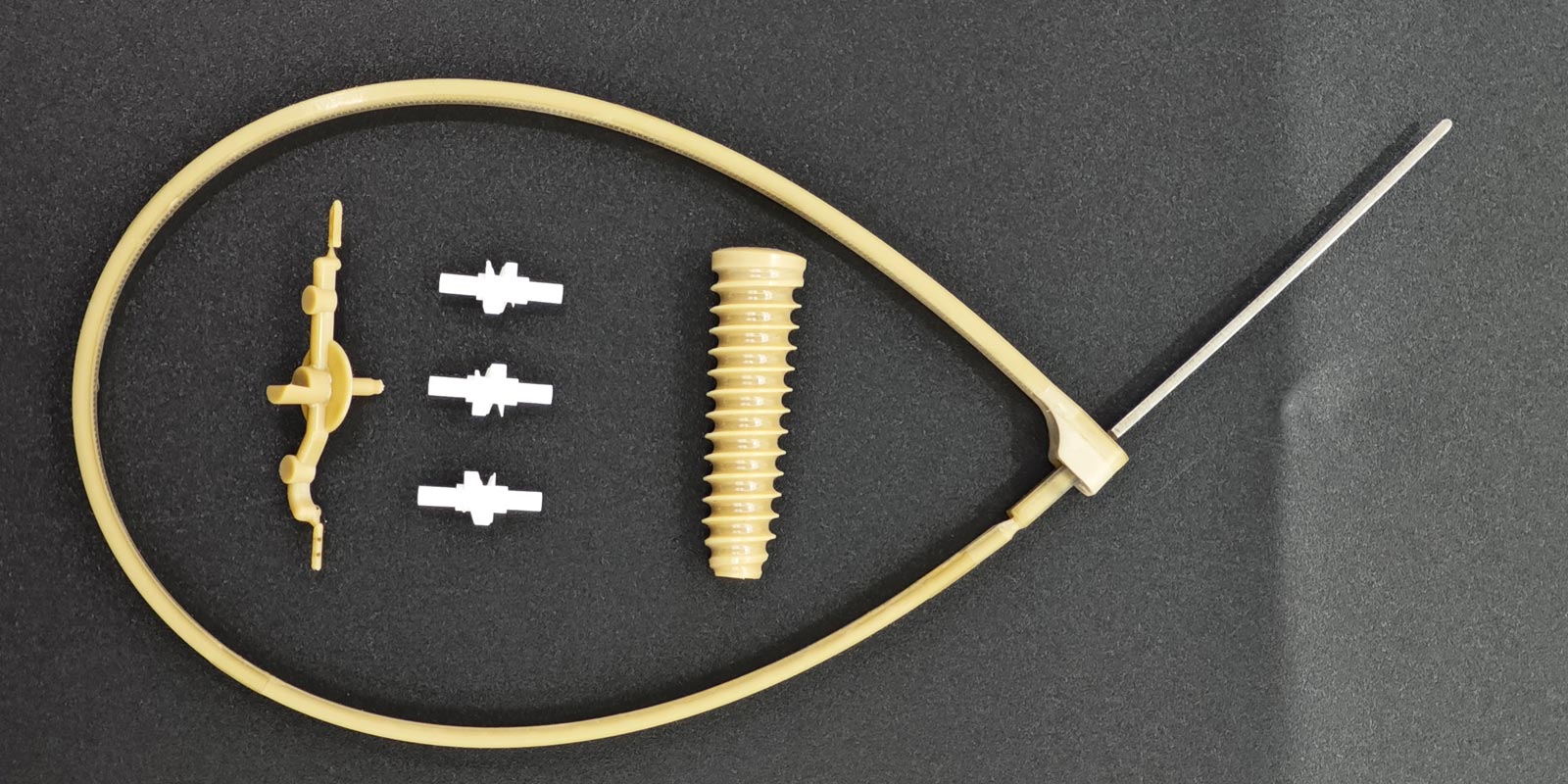
Medical injection molding materials need to balance mechanical properties with biological safety. Traditional materials such as polypropylene (PP) and polycarbonate (PC) still dominate the market, but new bio-based and biodegradable materials are accelerating their penetration. For example, by modifying the molecular structure of polylactic acid (PLA) to introduce hydrophilic groups, the cell adhesion rate can be increased by 30%-50%. Carbon fiber-reinforced polyetheretherketone (PEEK) composites are widely used in orthopedic implants, with their tensile strength increased by 50%-80% compared to pure PEEK. In addition, liquid silicone rubber (LSR) injection molding technology is widely applied in the manufacture of flexible components such as catheters and seals due to its excellent biocompatibility and elasticity.
3. Intelligent and Automated Production
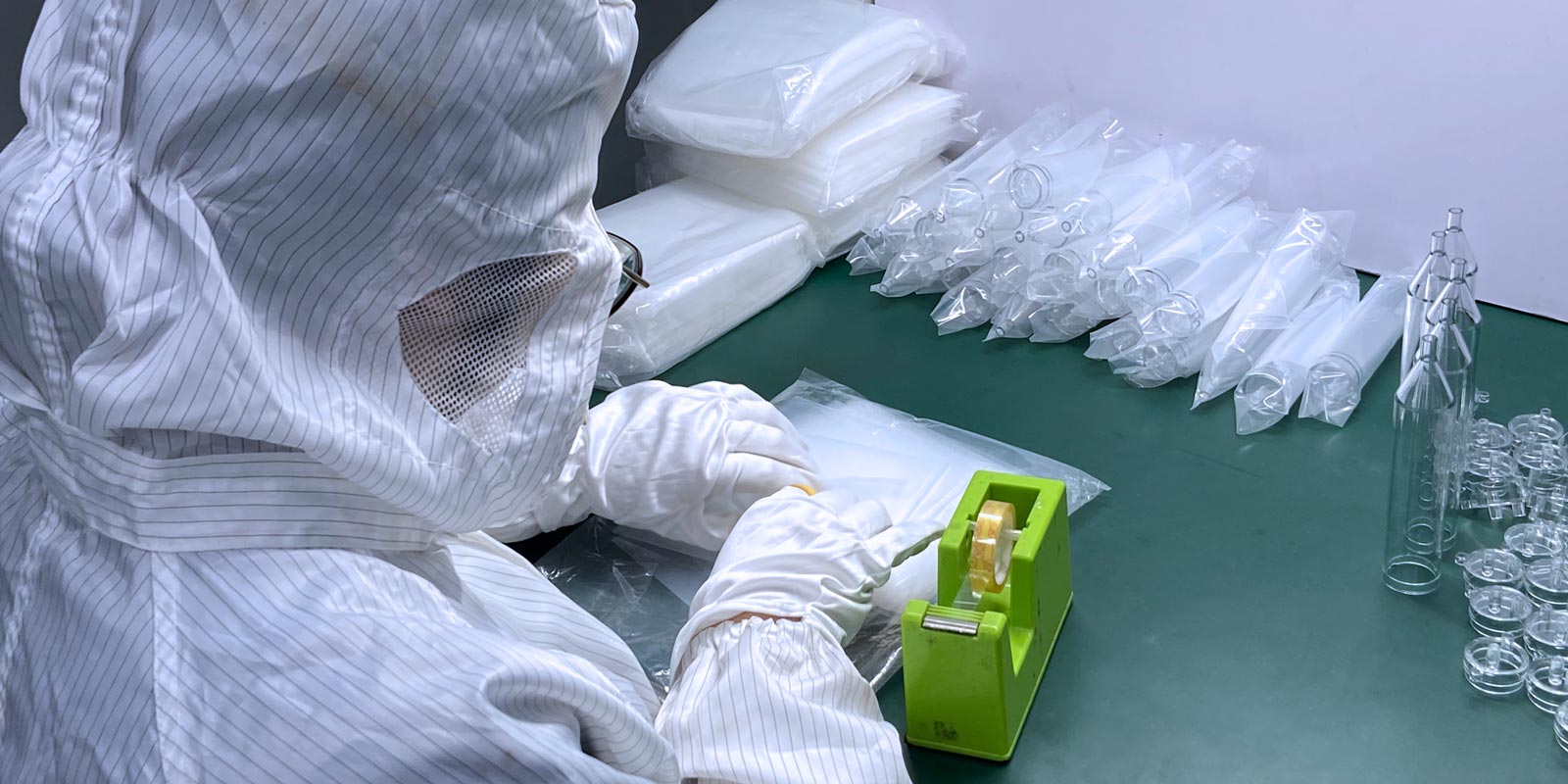
Intelligent production is key to improving efficiency and quality. In-mold hot cutting technology automates the cutting of sprues, reducing human intervention and meeting the requirements of 100,000-level clean workshops. Mold pressure sensors can monitor injection molding parameters in real-time, enabling process optimization and quality traceability. Multi-material molding technology supports the integrated manufacturing of complex structural components. For example, combining metal inserts with plastics through insert molding enhances the durability and sealing of surgical instruments.
At the same time, the application of industrial internet platforms is breaking down "island effects." By deploying MES systems and IoT devices, enterprises can achieve full-process traceability from raw material warehousing to finished product delivery, increasing production efficiency by more than 20% and reducing energy consumption by 15%.
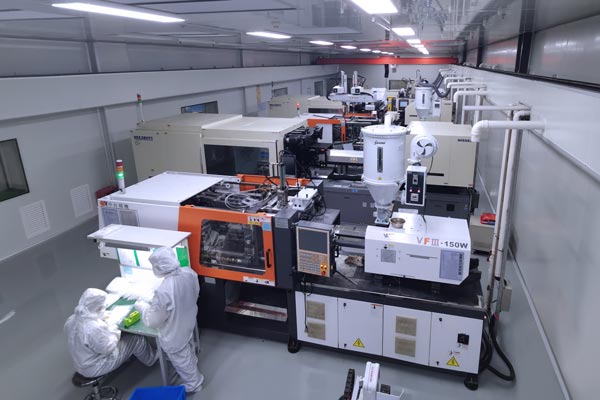
1. Continuous Expansion of Market Size
It is predicted that from 2026 to 2030, the size of China's medical injection molding market will increase from 125 billion yuan to 218 billion yuan, with a compound annual growth rate (CAGR) of 11.8%. The driving factors include:
2. Green Manufacturing and Sustainable Development
The "dual carbon" strategy and stricter environmental regulations are prompting the industry to transform towards green manufacturing. Biodegradable materials such as polyhydroxyalkanoates (PHA) and polybutylene succinate (PBS) are gradually being applied. Although their costs are 30%-50% higher than traditional materials, the cost gap is narrowing through scale production and process optimization. In addition, energy-saving technologies in injection molding workshops, such as hot runner systems to reduce raw material waste and servo motor drives to lower energy consumption, have become standard equipment for enterprises.
3. Import Substitution and Supply Chain Security
High-end medical-grade special engineering plastics (such as PEEK and cycloolefin copolymer COC) and high-precision mold steel still rely on imports, and the process of import substitution faces challenges. Domestic enterprises are gradually breaking through technological barriers through data accumulation on material modification, mold lifespan improvement, and the development of core CAE simulation software. For example, by establishing long-term cooperation with raw material suppliers, an enterprise has obtained preferential procurement prices while optimizing processing techniques, extending the lifespan of PEEK molds by 20% and reducing costs by 25%.
1. Technological Barriers and Cost-Benefit Balance
Medical injection molding technology needs to strike a balance between precision, cost, and efficiency. For example, the R&D cost of high-precision molds is more than 30% higher than that of ordinary molds, while the registration and certification cycle for medical products can last 1-2 years, increasing the financial pressure on enterprises. In the future, modular design and scalable custom production may become key to breaking the deadlock, reducing unit costs by sharing common components while meeting personalized needs.
2. Substitution Risk from 3D Printing and Other Additive Manufacturing Technologies
3D printing technology has unique advantages in manufacturing complex structural components, such as customizable implants and patient-specific surgical guides. However, its material performance, production efficiency, and cost still lag behind traditional injection molding processes. In the future, the integration of injection molding and 3D printing may become a trend, such as using 3D printing to manufacture core mold components and combining injection molding to complete the final product, achieving "complementary advantages."
3. Global Competition and Compliance Pressure
As Chinese medical device enterprises accelerate their global expansion, international certification standards such as FDA and CE impose higher requirements on quality management systems. For example, ISO 13485 certification requires coverage of the entire supply chain from raw material procurement to after-sales service, while the EU's MDR regulations are 50% stricter than the previous version in terms of biocompatibility testing. Enterprises need to strengthen international cooperation and introduce advanced management tools to cope with global competition.
Medical injection molding technology is at a critical juncture of transformation from "scale expansion" to "value creation." High precision, intelligence, and green development will be the core directions of future development, while material innovation, process optimization, and supply chain collaboration are key to breaking through technological bottlenecks. Facing the dual opportunities of population aging and upgrading medical demands, China's medical injection molding industry needs to take technological innovation as the driving force and quality as the foundation to occupy a place in global competition.
PREV:Why Do Medical Injection-Molded Parts Keep Failing? A Comprehensive Guide
NEXT:Application of Automated Injection Molding Production Lines in Medical Injection Molding
Add: 62 Jinghai East Road, Chang'an Town, Dongguan City, Guangdong Province
Whatsapp: +86 13342659272
Email: Yuliya.chen@yizemould.com

Add: 62 Jinghai East Road, Chang'an Town, Dongguan City, Guangdong Province
Whatsapp: +86 13342659272
Email: Yuliya.chen@yizemould.com
 Home
Home