

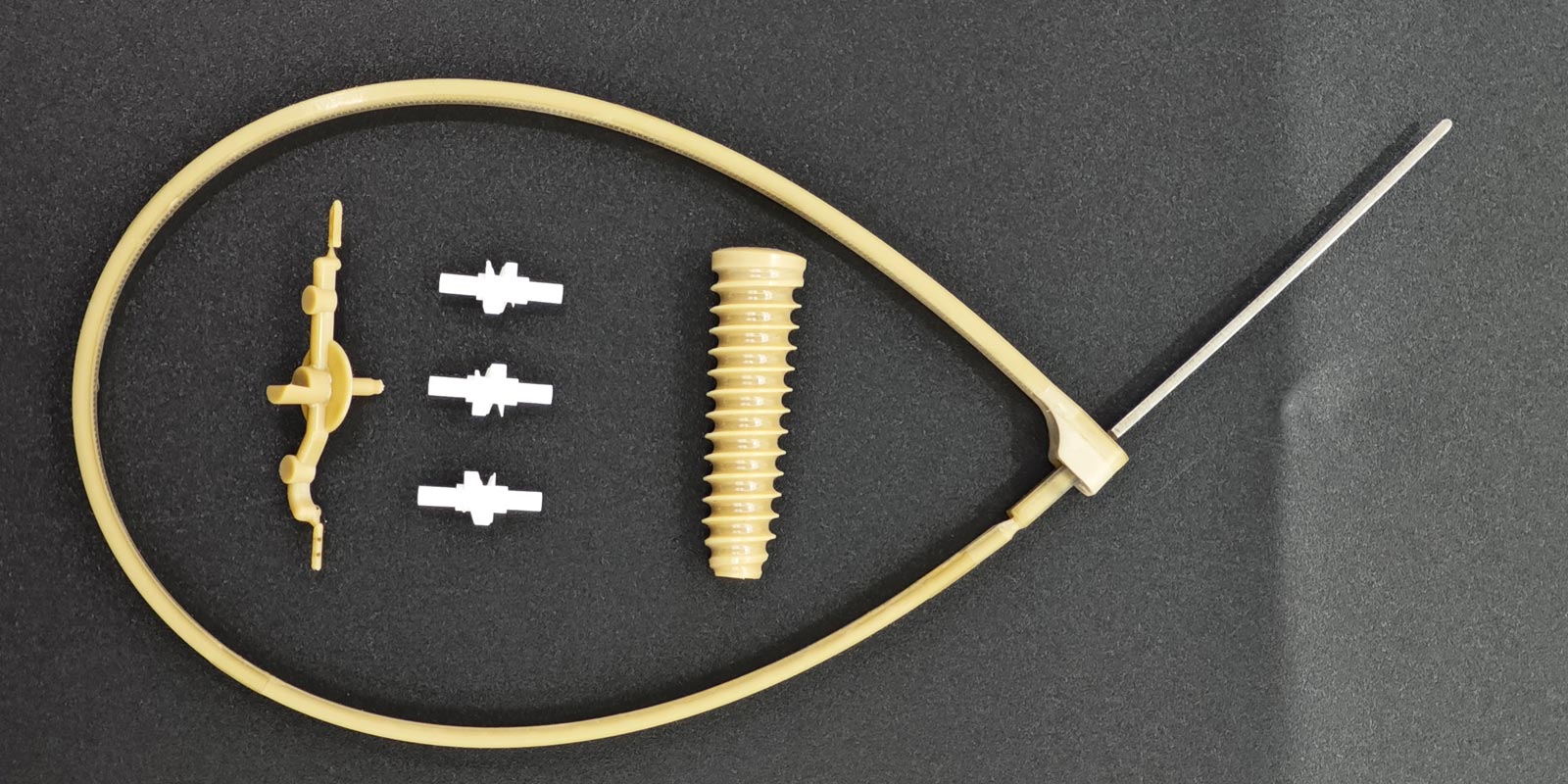
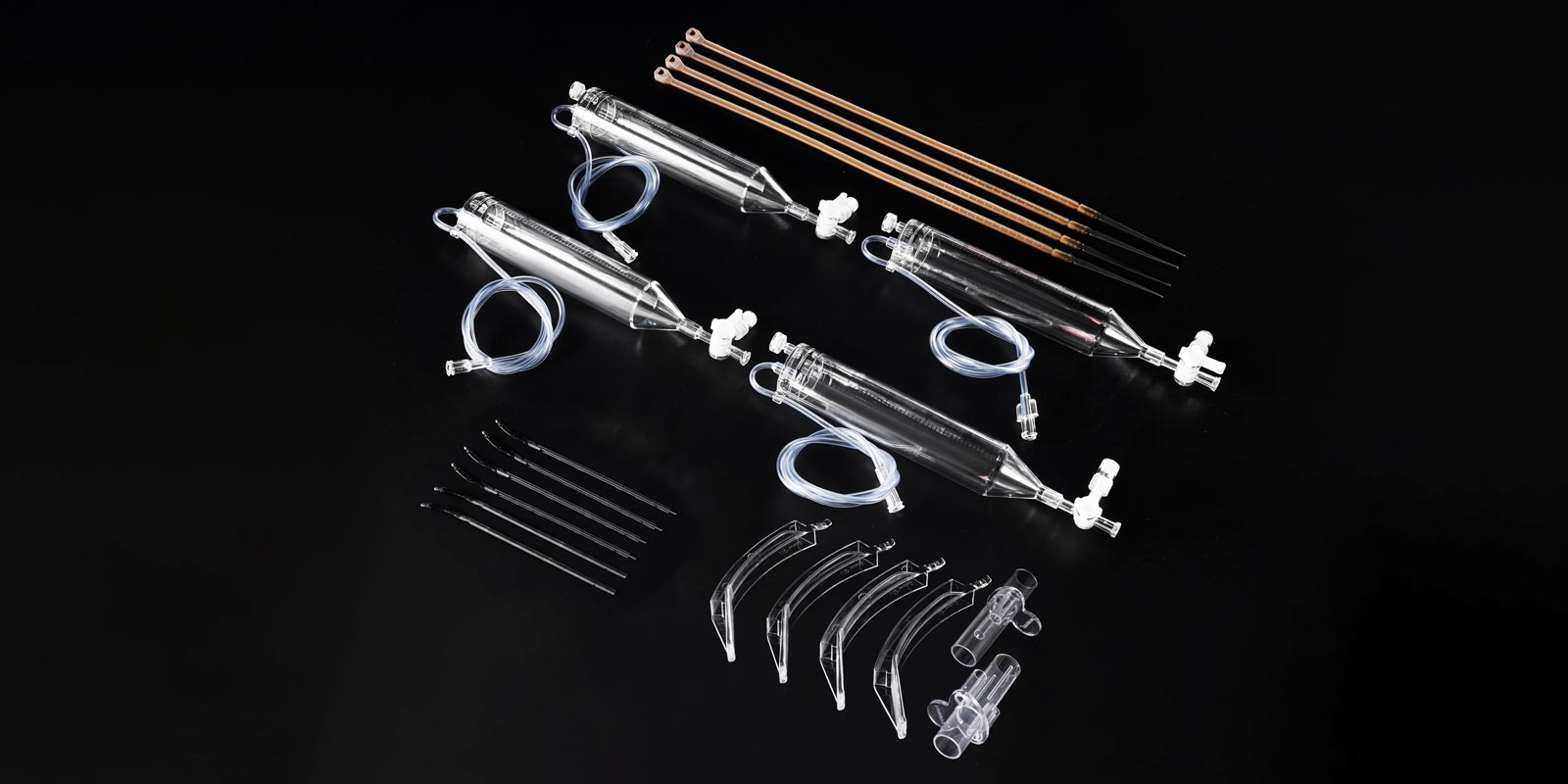
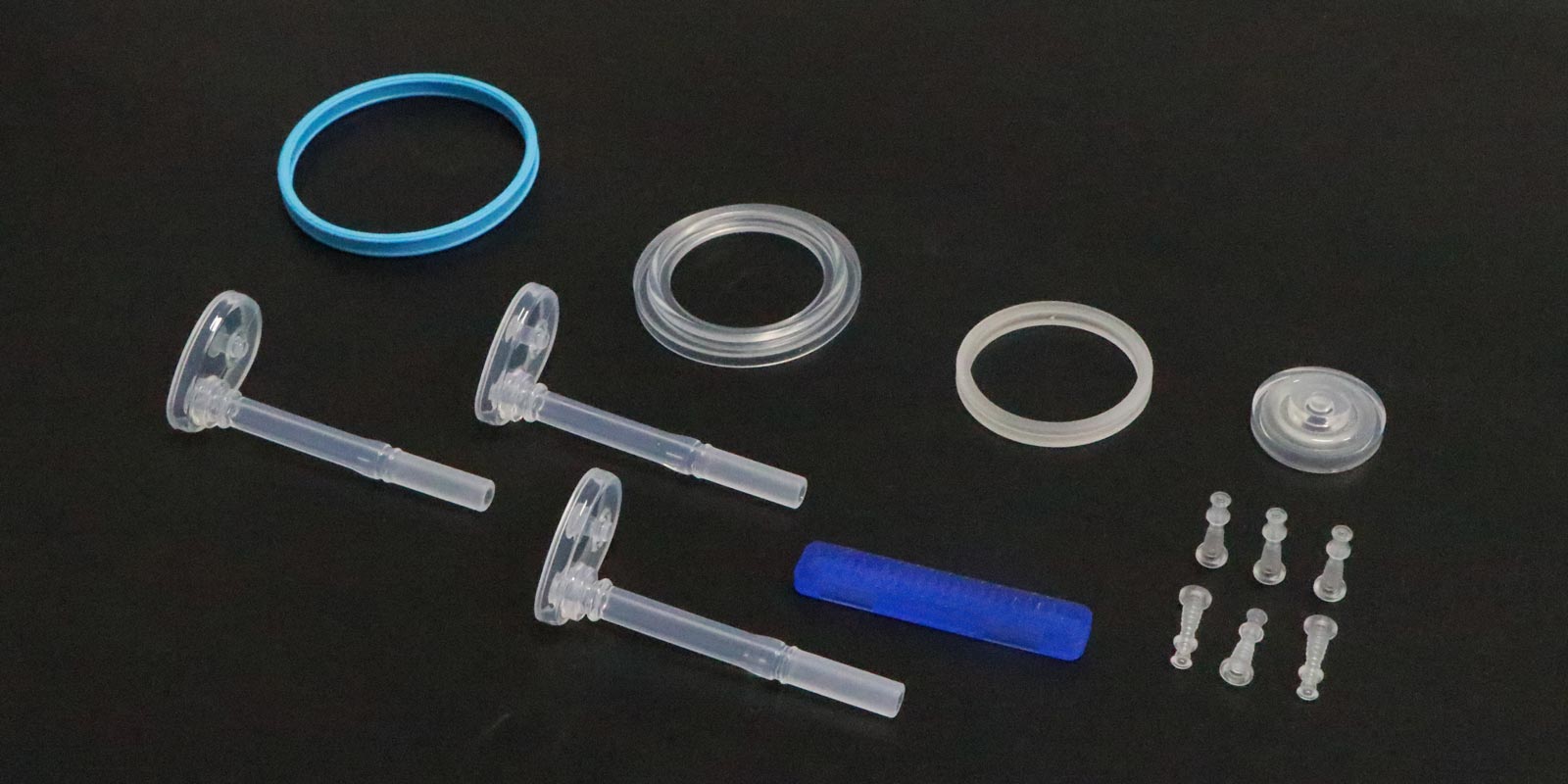



In the medical industry, injection-molded parts serve as core components of medical devices, directly impacting patient safety and treatment efficacy. From precision insulin syringe components to complex hemodialyzer housings, the production of medical injection-molded parts must meet stringent requirements for accuracy, reliability, and biocompatibility. This article systematically explores key management aspects in medical injection molding from three dimensions: the construction of a full-process quality control system, identification of critical defect types, and corresponding prevention strategies.
1.1 Clean Production Environment Control
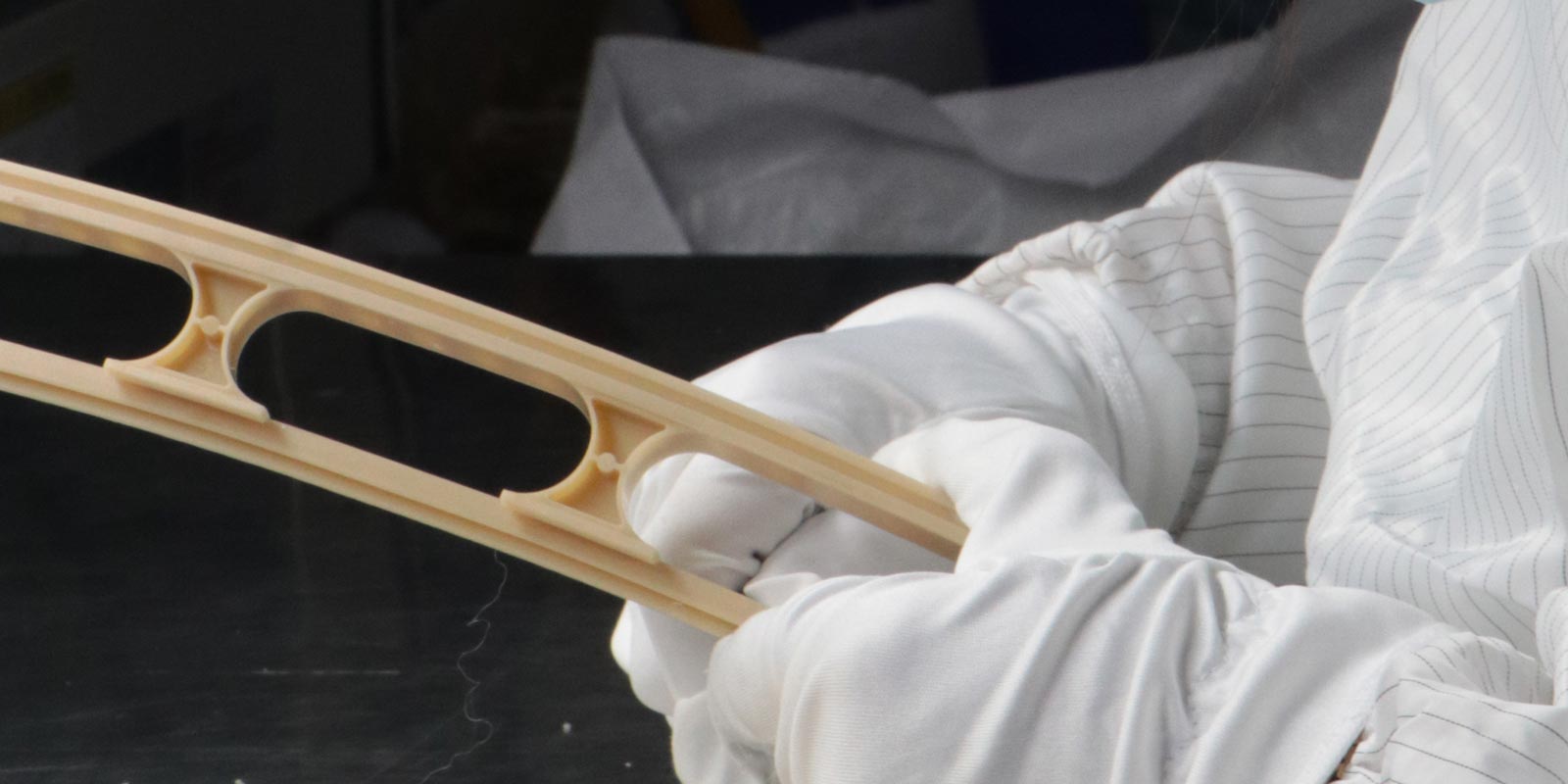
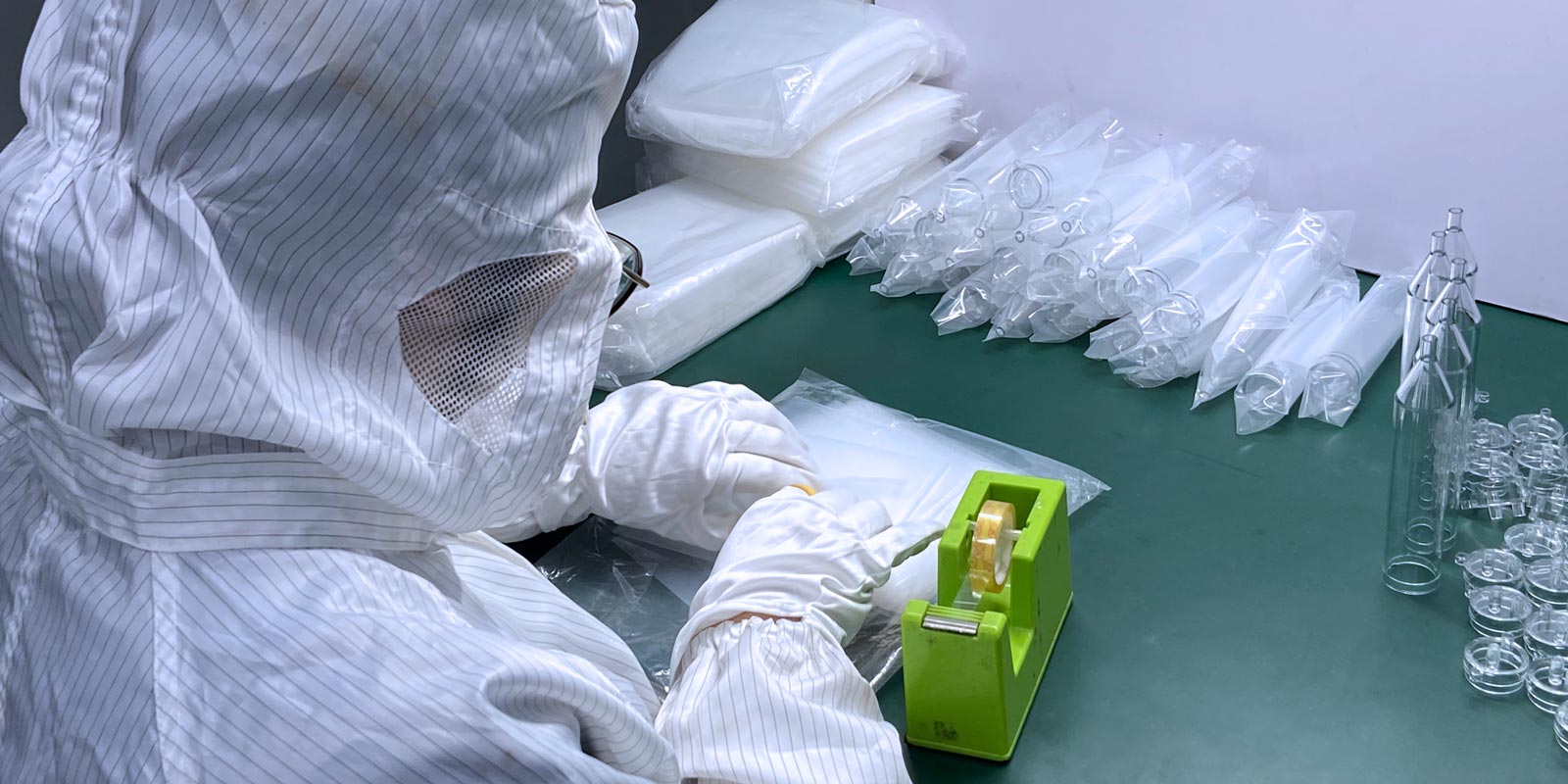
Medical injection molding workshops must adhere to ISO Class 7 (10,000-level) cleanroom standards, with temperature (20–25°C), humidity (40–60%), and particulate counts (≤352,000 particles/m³) strictly regulated. For example, when producing pacemaker housings, workshops employ laminar flow systems, airlocks, and HEPA filters to block microbial contamination, while banning silicone-based mold release agents to avoid residue affecting biocompatibility.
1.2 Precision Verification of Equipment and Molds
1.3 Full Lifecycle Material Management
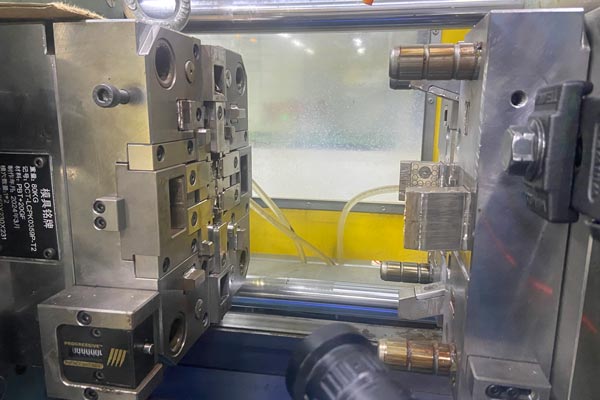
2.1 Flash (Burr)
Phenomenon: Plastic overflow at parting lines or slider interfaces, risking packaging damage or debris generation.
Causes:
2.2 Sink Marks
Phenomenon: Depressions at thickness transitions (e.g., rib backs), affecting transparency and strength.
Causes:
2.3 Weld Lines
Phenomenon: Linear marks at melt front junctions, posing bacterial growth risks.
Causes:
2.4 Chemical Stability Risks
Phenomenon: Material reactions with drugs or disinfectants, causing swelling or harmful substance release.
Causes:
3.1 SPC Statistical Process Control
Deploy real-time monitoring systems to analyze fluctuations in critical parameters (e.g., injection pressure, mold temperature). Set upper control limits (UCL) and lower control limits (LCL). For example, an enterprise reduced dimensional tolerance variations from ±0.05mm to ±0.02mm using SPC, cutting annual rework costs by $280,000.
3.2 AI-Driven Defect Prediction
Leverage machine learning models to analyze historical production data and predict high-risk conditions. For instance, an enterprise shortened mold modification cycles from 2 weeks to 3 days using AI-predicted weld line locations, accelerating new product development by 40%.
3.3 Closed-Loop Quality Traceability
Establish a full-chain traceability system from raw material batches to finished product serial numbers, enabling rapid root-cause analysis. For example, an enterprise resolved defect origins within 2 hours using QR code labels, reducing customer complaint response times by 75%.
Quality control in medical injection molding must span design, materials, processes, and inspection. By constructing precision manufacturing systems, implementing defect prevention strategies, and driving digital transformation, enterprises can achieve zero-defect production, delivering safer, more reliable medical products globally.
PREV:Medical Consumables Injection Molding Technology
NEXT:Future Trends and Market Prospects of Injection Molding Technology for Medical Products
Add: 62 Jinghai East Road, Chang'an Town, Dongguan City, Guangdong Province
Whatsapp: 13302615729
Tel: 86-133-0261-5729
Email: info@yizemould.com

Add: 62 Jinghai East Road, Chang'an Town, Dongguan City, Guangdong Province
Whatsapp: 13302615729
Tel: 86-133-0261-5729
Email: info@yizemould.com
 Home
Home