

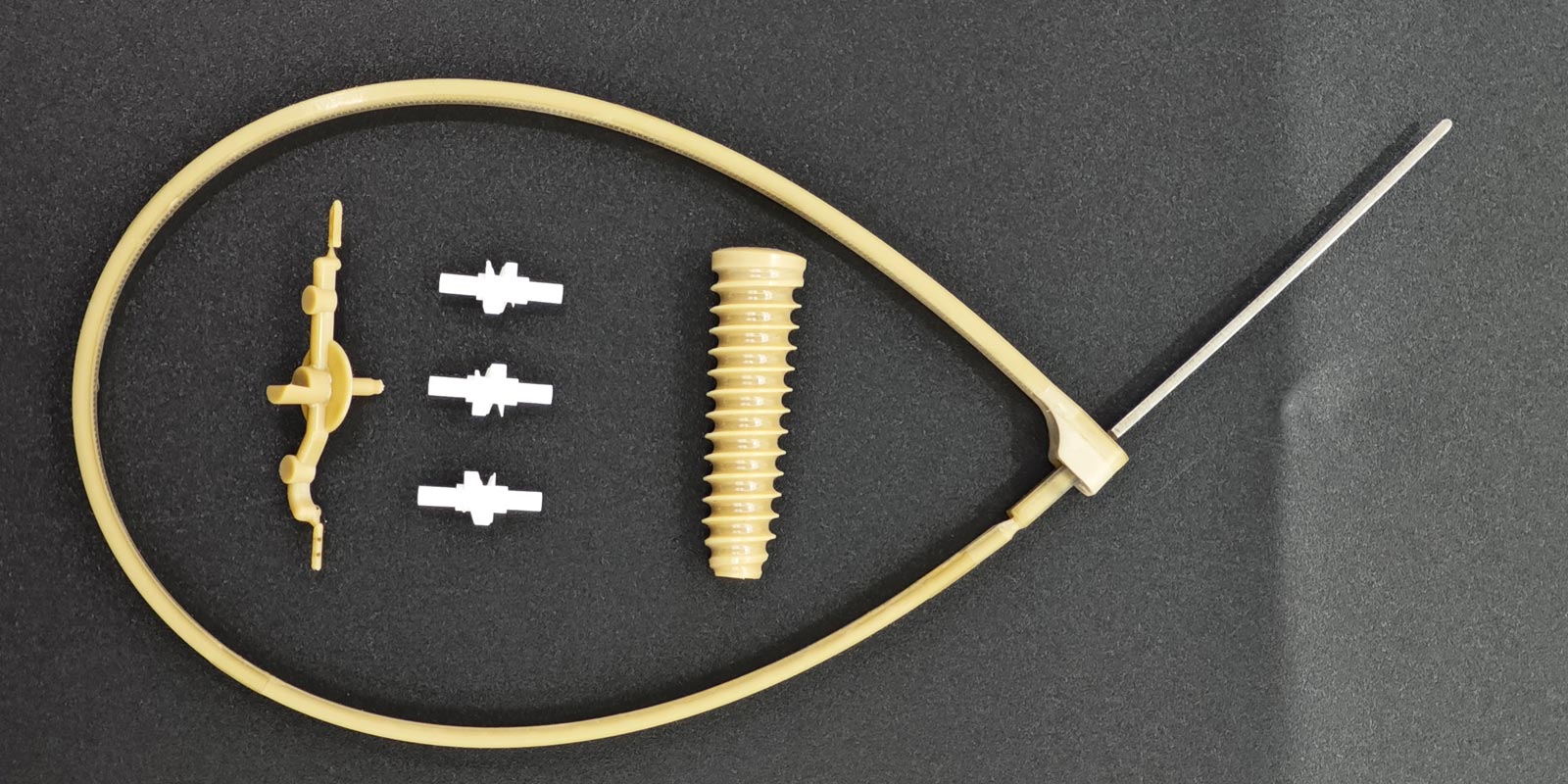
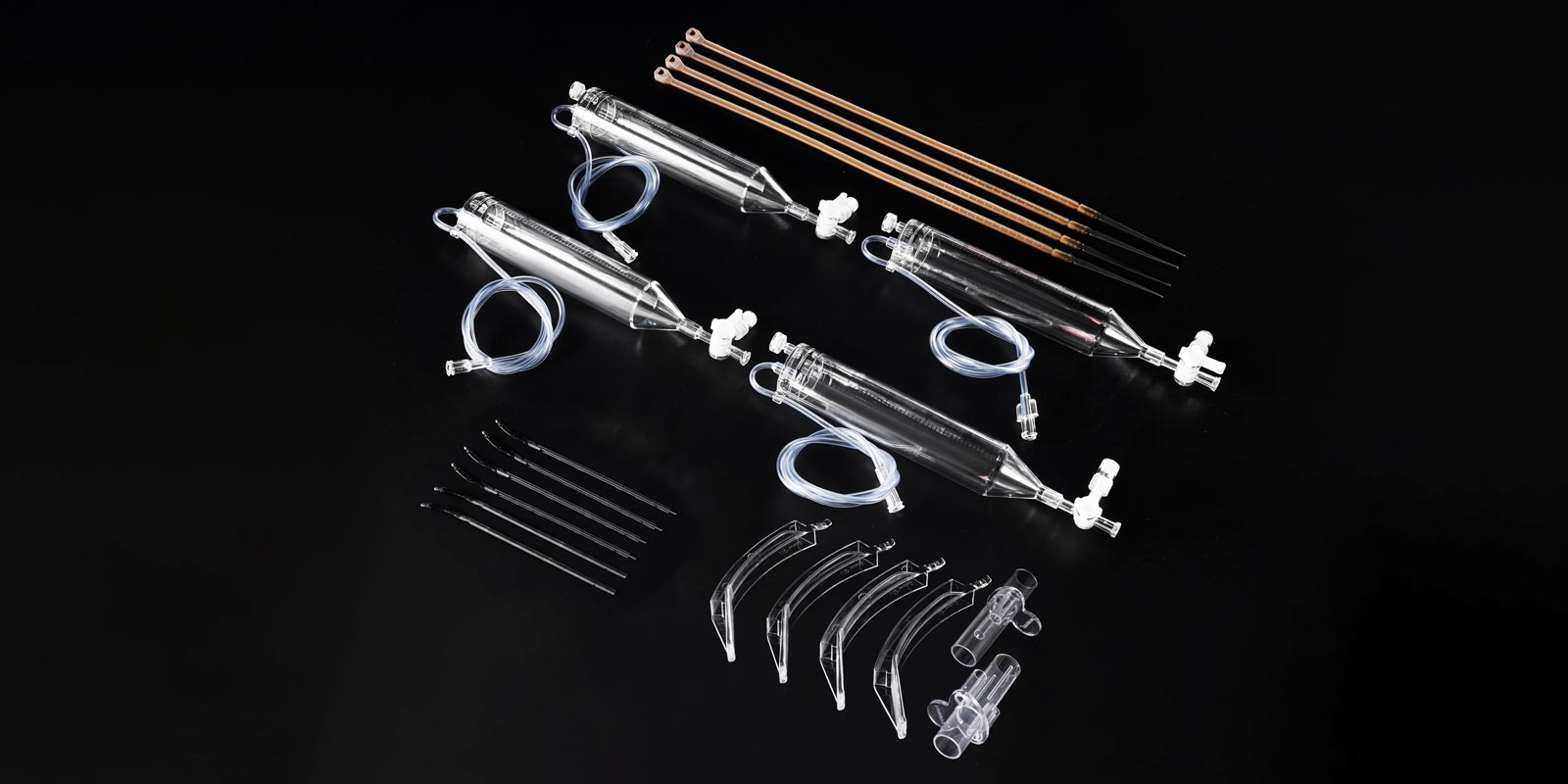
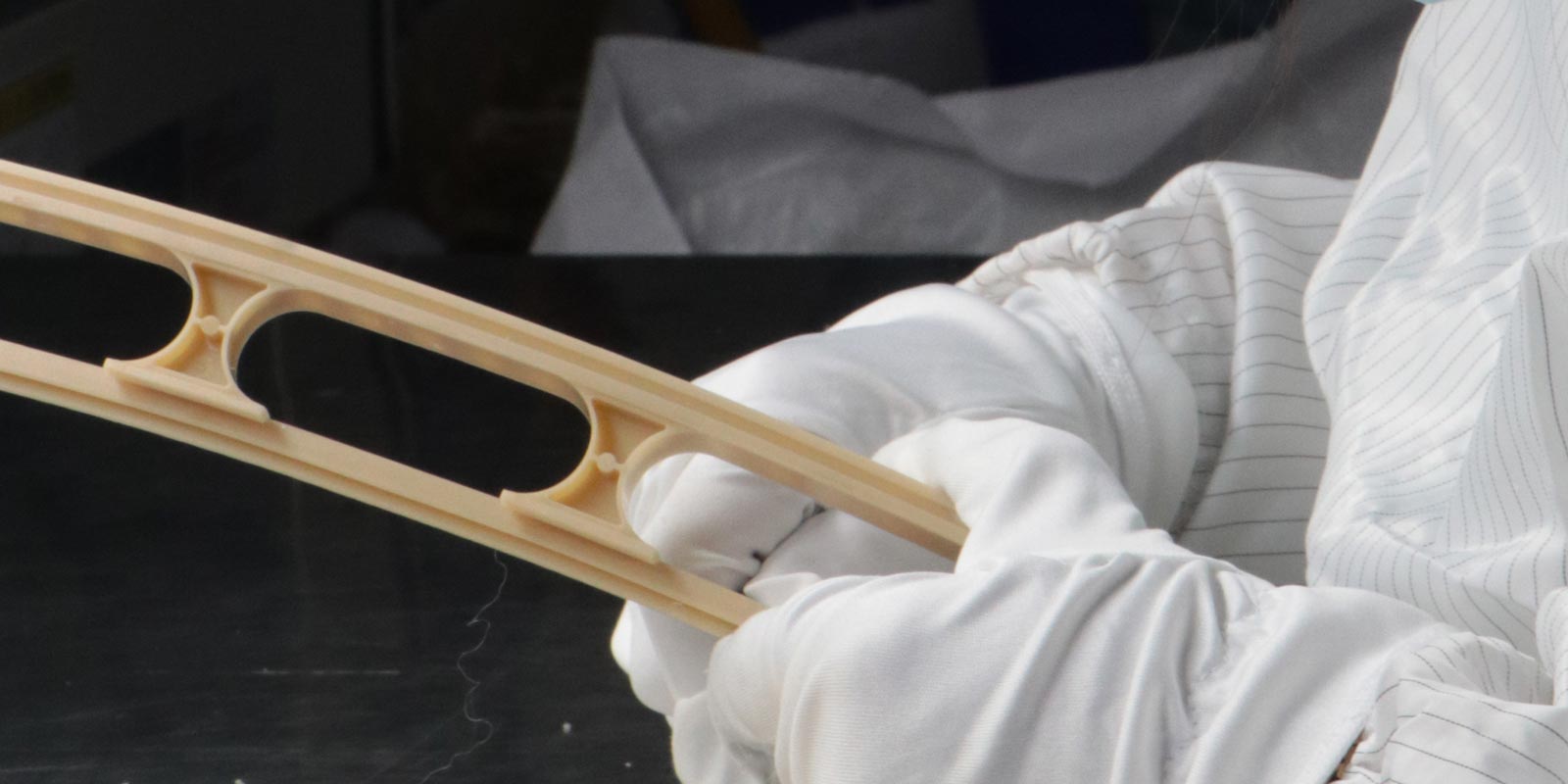
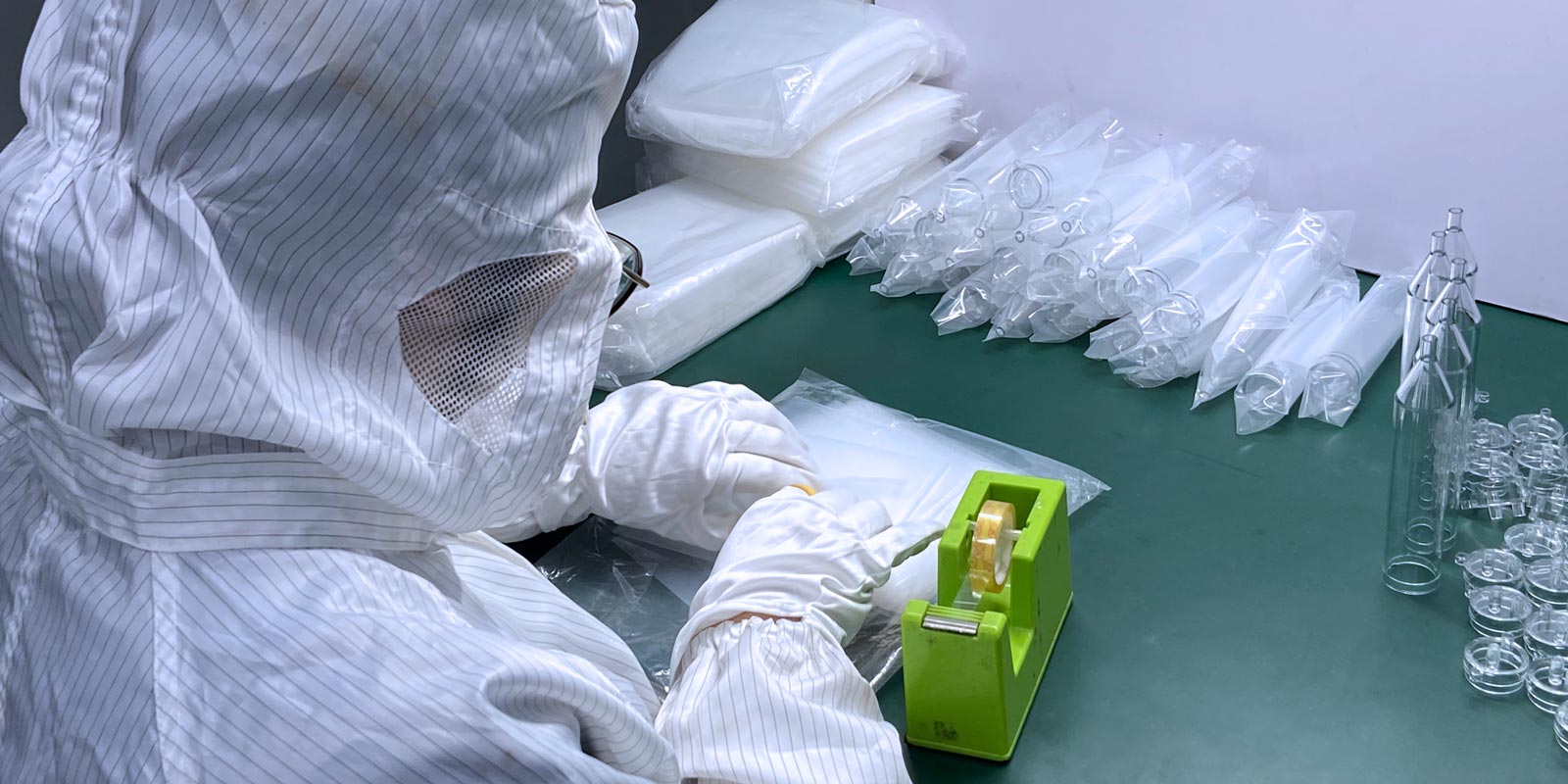
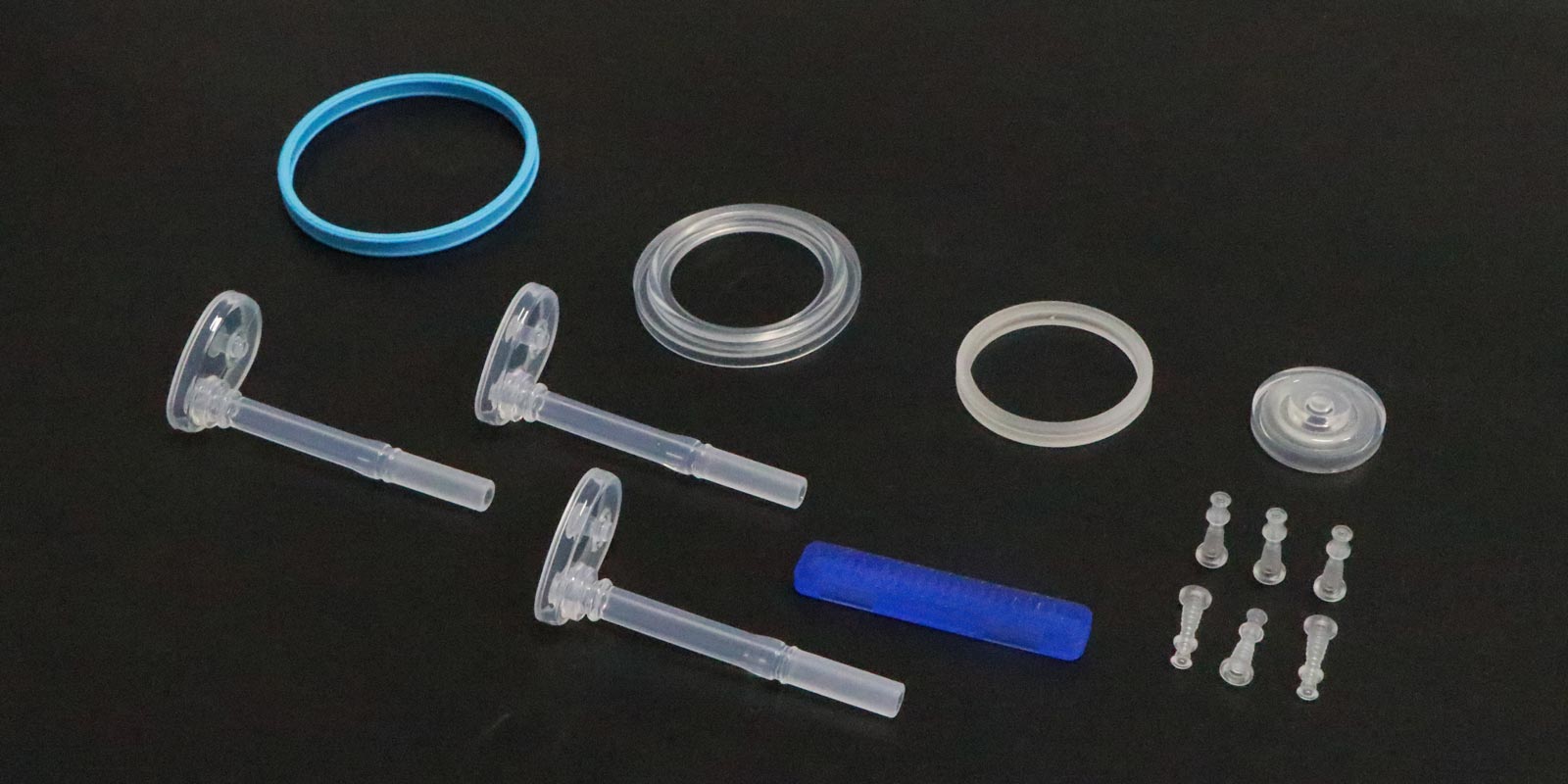



In the dual drive of continuous upgrading in the healthcare industry and accelerating population aging, injection molding technology for medical products is undergoing a profound transformation from traditional manufacturing to intelligence, precision, and green production. As a core process in high-end medical device manufacturing, injection molding not only bears the responsibility of enhancing product performance and reducing production costs but also serves as a key force driving innovation in the medical sector. This article analyzes the future development paths and market prospects of medical product injection molding technology from three dimensions: technological trends, market demand, and competitive landscape.
Intelligent Manufacturing: From "Labor-Dependent" to "Fully Automated"
With the deep integration of AI, IoT, and industrial internet technologies, injection molding production is moving toward "dark factories." For example, Xinmao Injection Molding has achieved full-process automation in mold opening/closing, injection, cooling, and demolding by introducing automated robots and intelligent quality inspection systems, boosting production efficiency by over 40% and reducing product defect rates to below 0.5%. In the future, AI algorithms will further penetrate into process parameter optimization, predictive maintenance, and equipment health management, enabling real-time analysis of vibration, temperature, and pressure data for adaptive production adjustments, significantly reducing manual intervention and energy consumption costs.
Miniaturization and Precision: Meeting Personalized Medical Needs
As minimally invasive surgeries, wearable devices, and smart implants become widespread, medical products demand injection molding precision beyond the micrometer level. For instance, cardiac stents and neurostimulators require high-precision micro-injection molding to achieve one-step molding of complex structures while ensuring functionality and biocompatibility. Meanwhile, multi-component co-injection molding and in-mold decoration (IMD) processes enable multi-material composites and customizable colors, catering to personalized medical scenarios. By 2030, the global market for micro-injection molded medical products is projected to exceed $12 billion, with a CAGR of 15%.
Green Transformation: Biobased Materials and Circular Economy Dominate
Stricter environmental regulations and sustainability principles are driving the medical injection molding industry toward green production. On one hand, the adoption of biobased biodegradable materials (e.g., PLA, PHA) is rising rapidly, expected to account for over 35% of the medical plastics market by 2026, replacing traditional non-degradable materials like PVC and PE. On the other hand, circular economy models—through recycling of packaging materials and resource recovery of production waste—maximize resource efficiency. For example, China’s medical plastic packaging industry has achieved an 85% recycling rate for waste, reducing carbon emissions per unit by 20%, with green packaging material usage projected to surpass 60% by 2026.
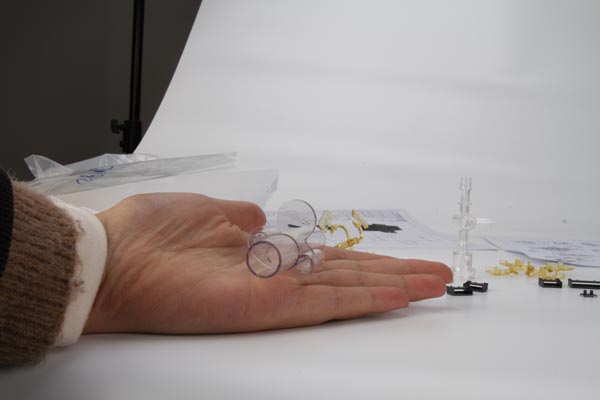
Over the next five years, medical product injection molding technology will see three key trends:
Conclusion: Driven by healthcare demand upgrades and technological revolutions, injection molding technology for medical products is entering a golden era. Firms must prioritize technological innovation, compliance, and green production while leveraging supply chain collaboration to seize opportunities in global healthcare supply chain restructuring and achieve sustainable growth.
PREV:Why Do Medical Injection-Molded Parts Keep Failing? A Comprehensive Guide
NEXT:Medical Injection Molding: Seamless Integration from Design to Production
Add: 62 Jinghai East Road, Chang'an Town, Dongguan City, Guangdong Province
Whatsapp: +86 13342659272
Email: Yuliya.chen@yizemould.com

Add: 62 Jinghai East Road, Chang'an Town, Dongguan City, Guangdong Province
Whatsapp: +86 13342659272
Email: Yuliya.chen@yizemould.com
 Home
Home