

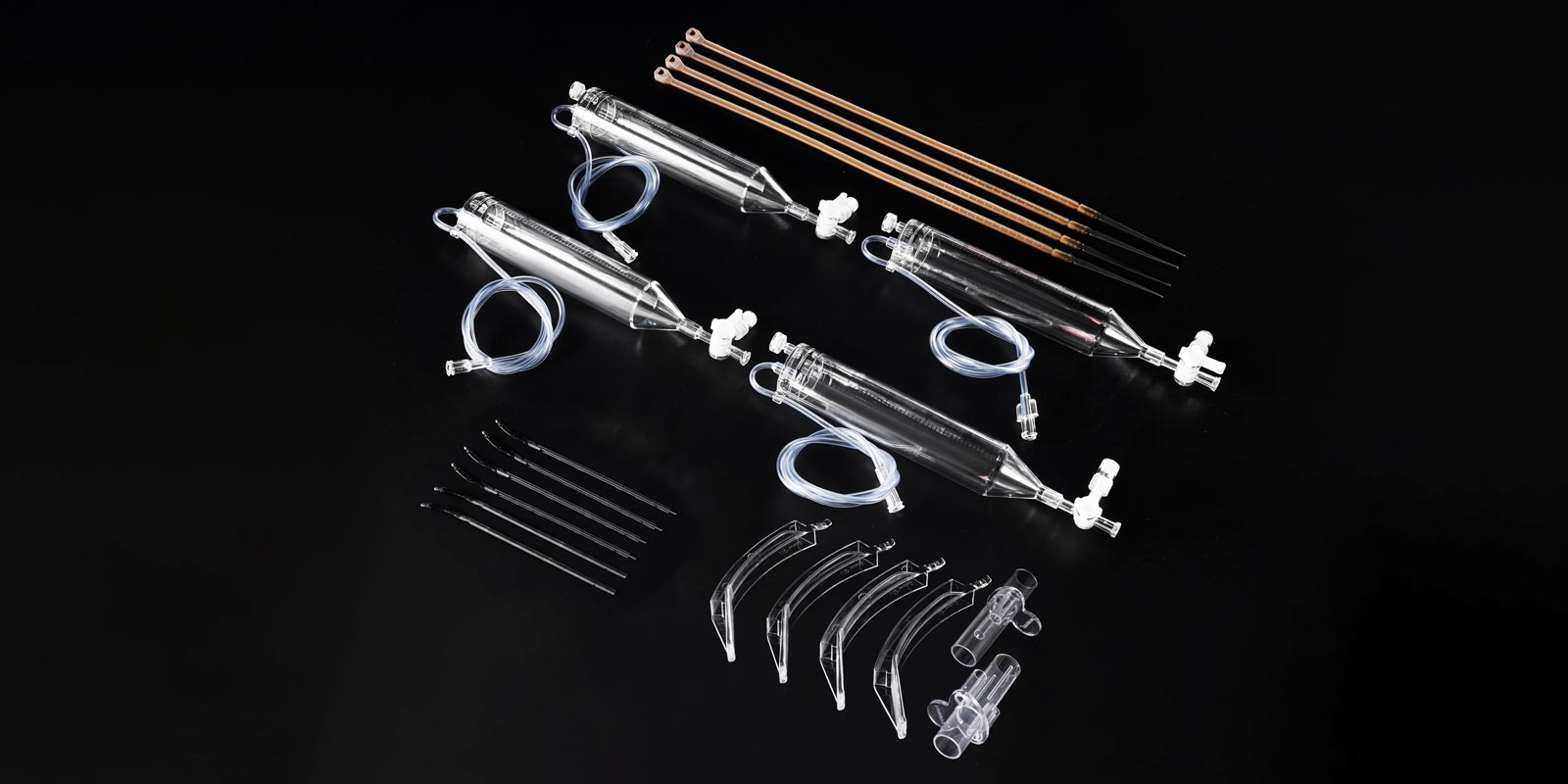
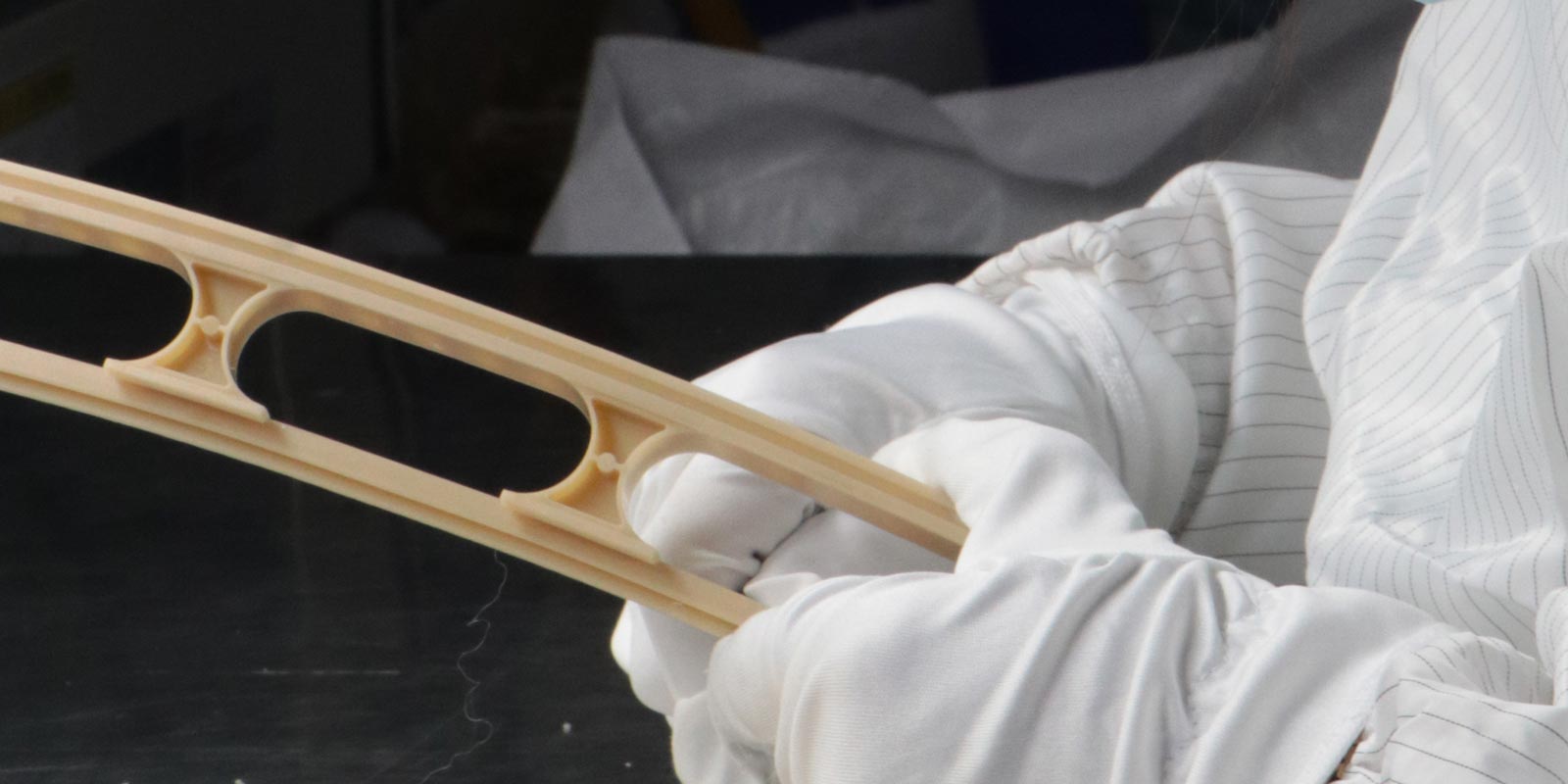
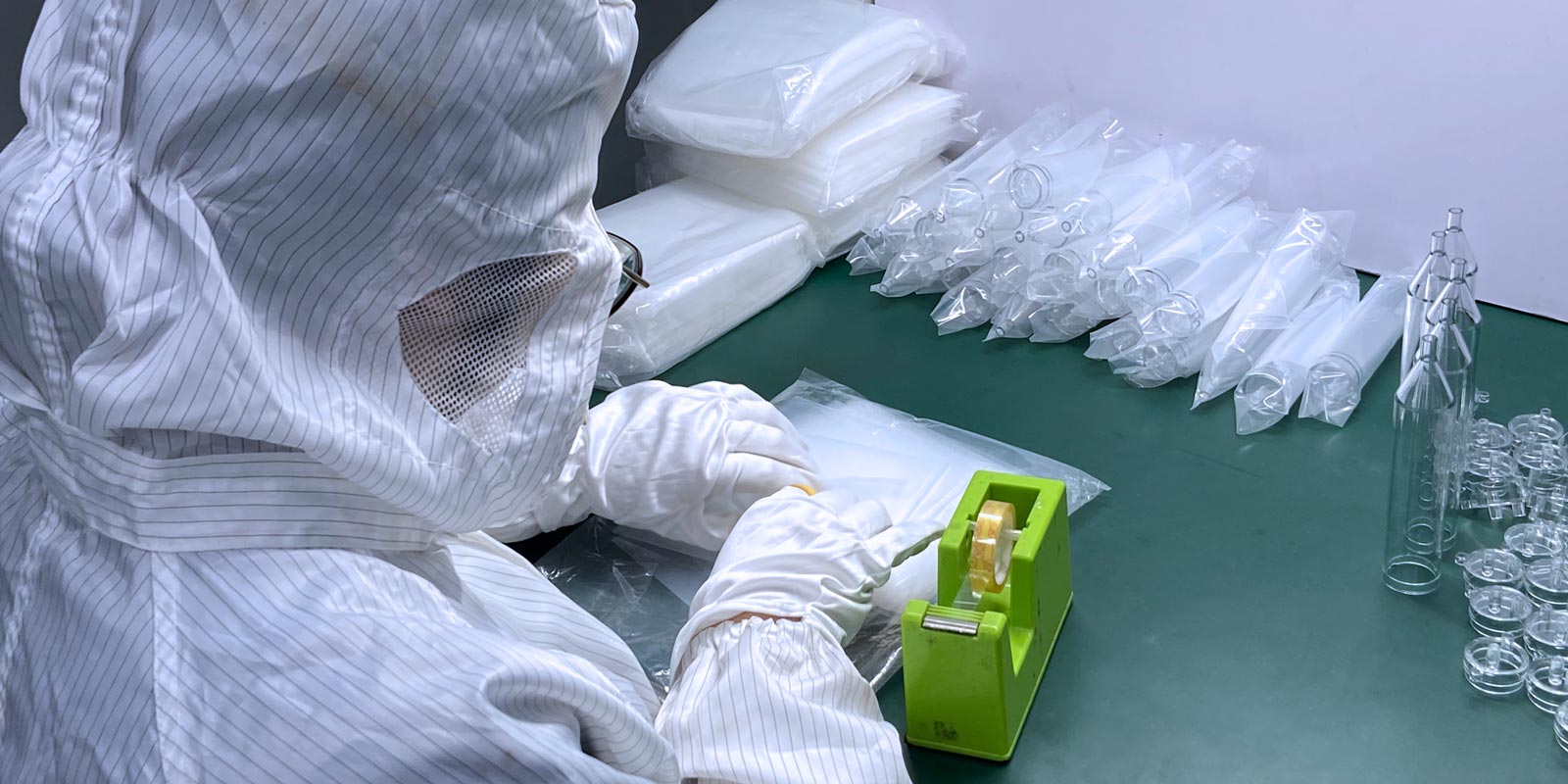
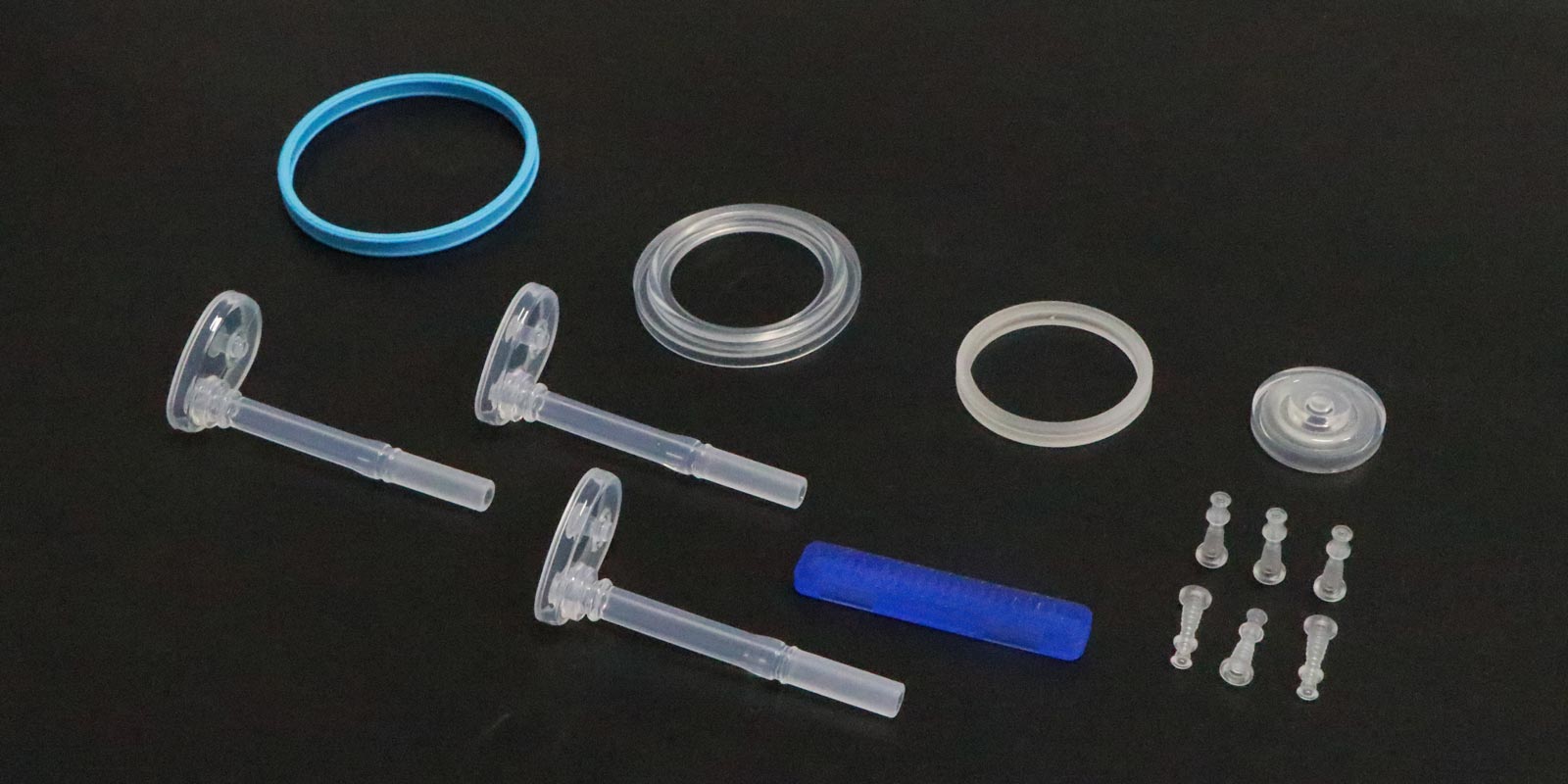



In the field of medical injection molding, the hygiene and durability of plastic materials are crucial factors for ensuring the safety and effective operation of medical devices. These two characteristics permeate the entire life cycle of medical device design, production, use, and maintenance, having a profound impact on patient health and medical quality.
Biocompatibility
Biocompatibility is the core requirement for the hygiene of medical plastic materials. It demands that the material does not trigger toxic, harmful, or immunogenic reactions when in contact with human tissues or body fluids. For example, when producing injection-molded containers for cell culture, medical-grade plastics that have undergone rigorous biosafety testing are selected to ensure they do not interfere with the normal growth and metabolism of cells. Polycarbonate (PC), with its good biocompatibility, is widely used in the manufacture of dialyzers, incubators, and surgical tools. When in contact with the human body, it does not cause toxicity or damage to tissues and organs, ensuring the safety of the medical process.
Chemical Stability
Medical plastic materials need to possess excellent chemical stability to prevent the components of the material from leaching into drugs or the human body. For instance, polyvinyl chloride (PVC) is one of the more widely used medical plastics, often used in the manufacture of liquid containers, blood bags, and pipelines. Under normal use, PVC can maintain chemical stability and does not release harmful substances into the liquids or the human body it contacts. However, to make PVC flexible, plasticizers such as di(2-ethylhexyl) phthalate (DEHP) are sometimes added. Studies have found that DEHP may leach from medical products and enter the patient's body, posing potential health risks to newborns, pediatric ICU patients, etc. This highlights the importance of selecting appropriate plastic materials and additives to ensure chemical stability.
Sterilization Adaptability
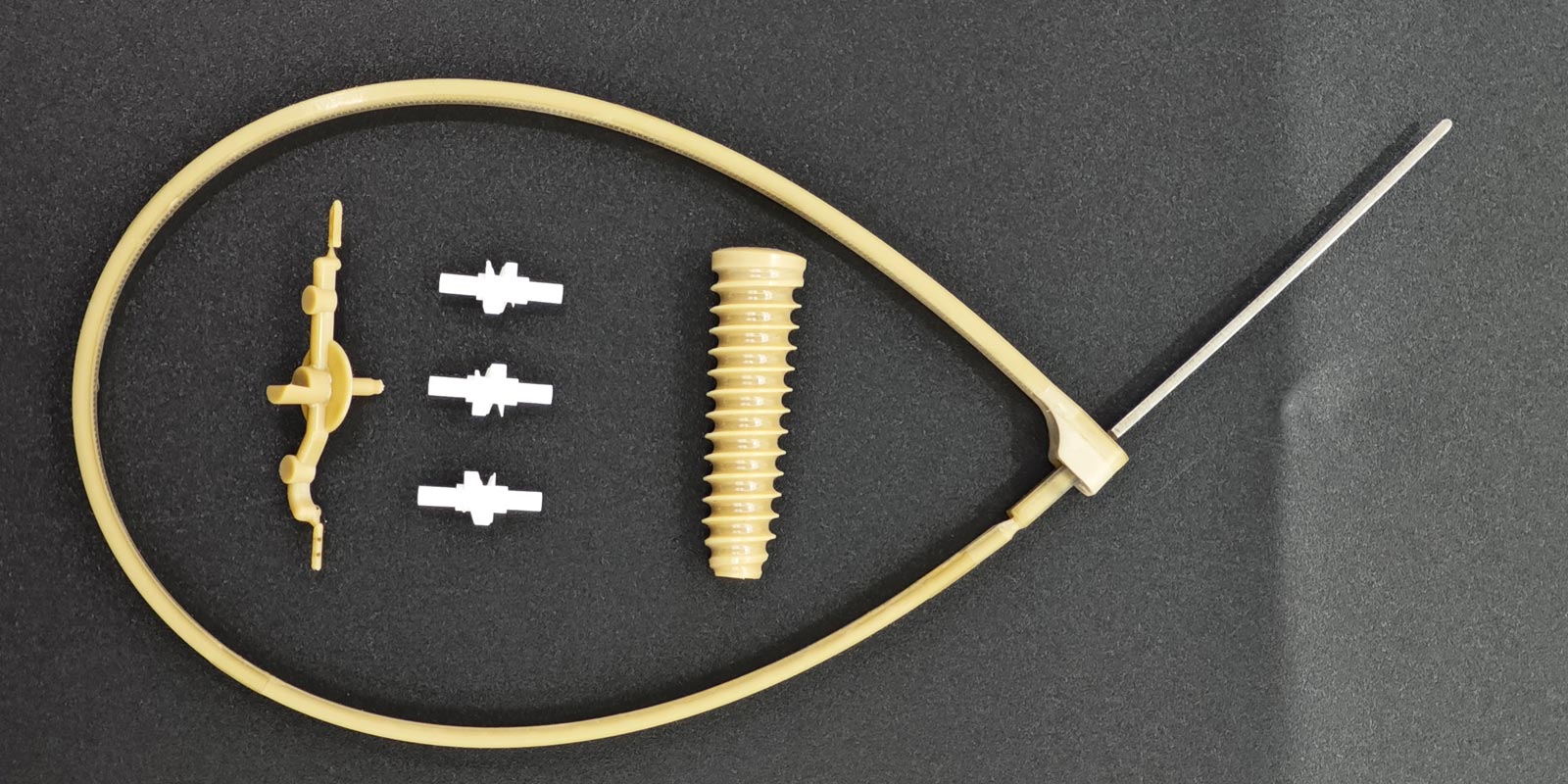
Medical devices require strict sterilization to prevent the spread of infections, which means that plastic materials must be able to withstand frequent sterilization methods such as high temperatures, radiation, steam, and chemicals. Polypropylene (PP) is a thermoplastic with high-temperature and chemical resistance. It has a high melting point and can be disinfected and sterilized at temperatures above 100°C, making it very suitable for manufacturing syringes, casings, vials, and other medical devices that require repeated sterilization. Polyether ether ketone (PEEK), as an advanced thermoplastic, has excellent chemical resistance and thermal stability and can be used in the manufacture of high-performance medical applications such as trauma implants and spinal fusion cages. It maintains stable performance under complex sterilization environments.
Low Leachables and Extractables
Medical plastic materials should ensure that the levels of leachables and extractables are below dangerous levels to avoid adverse reactions caused by these substances entering the human body. During the production process, strict screening and testing of raw materials are required to ensure they comply with relevant standards. For example, when manufacturing medical devices that come into contact with blood, hemolysis tests must be conducted to ensure that the plastic does not induce thrombus formation, embolism, red blood cell rupture, etc., thereby safeguarding the patient's circulatory system.
Physical Properties
Chemical Properties
Process Properties
In medical injection molding, the hygiene and durability of plastic materials are manifested in multiple aspects. These characteristics are interrelated and influence each other, jointly ensuring the quality and safety of medical devices. With the continuous development of the medical industry, higher requirements are placed on the hygiene and durability of plastic materials, necessitating continuous research and development and improvement of materials and optimization of production processes to meet the growing medical needs.
PREV:Medical Consumables Injection Molding Technology
NEXT:Analysis of Specific Steps in Medical Injection Molding
Add: 62 Jinghai East Road, Chang'an Town, Dongguan City, Guangdong Province
Whatsapp: 13302615729
Tel: 86-133-0261-5729
Email: info@yizemould.com

Add: 62 Jinghai East Road, Chang'an Town, Dongguan City, Guangdong Province
Whatsapp: 13302615729
Tel: 86-133-0261-5729
Email: info@yizemould.com
 Home
Home